Benefits, Challenges and Strategies in the Implementation of Humanized Nursing Care in Hospitalization: A Narrative Review
Abstract:
Introduction: Humanized care implies a deep and meaningful connection between the nursing professional and the patient, beyond technical medical care. Objective: To conduct a narrative review on the key aspects in the implementation of humanized nursing care in hospitalization services
Methodology: A literature review in the Scopus, PubMed, and SciELO databases was conducted in September 2024. Systematic and non-systematic reviews in Spanish and English from the last 5 years were included
Results: Four relevant aspects were found, which were categorized into: principles, benefits, challenges and strategies in the implementation of humanized nursing care
Conclusions: Humanized nursing care is key to improving the quality of care and the patient experience, promoting empathy and effective communication, which results in greater satisfaction and better clinical outcomes. However, it faces barriers such as staff shortages, organizational barriers, work overload and lack of continuous training, especially in socio-emotional skills. Strategies to overcome these challenges include the application of technologies, strong leadership, institutional support, continuous training, and establishing strategic alliances that ensure a sustainable approach to hospitalization services
Keywords:
nursing care; humanization of assistance; hospitalization; health care
Resumen:
Introducción: El cuidado humanizado implica una conexión profunda y significativa entre el profesional de enfermería y el paciente, más allá de la atención médica técnica. Objetivo: Realizar una revisión narrativa sobre los aspectos claves en la implementación del cuidado humanizado de enfermería en los servicios de hospitalización
Metodología: Se realizó una revisión de la literatura en las bases de datos Scopus, PubMed y SciELO en septiembre de 2024. Se incluyeron revisiones sistemáticas y no sistemáticas en español e inglés, de los últimos 5 años
Resultados: Se encontraron cuatro aspectos relevantes, categorizados como: principios, beneficios, desafíos y estrategias en la implementación del cuidado humanizado de enfermería
Conclusiones: El cuidado humanizado de enfermería es clave para mejorar la calidad de atención y la experiencia del paciente, al promover empatía y comunicación efectiva, lo que resulta en mayor satisfacción y mejores resultados clínicos. No obstante, enfrenta barreras como escasez de personal, barreras organizacionales, sobrecarga laboral y falta de formación continua, sobre todo en habilidades socioemocionales. Las estrategias para superar estos desafíos incluyen la aplicación de tecnologías, un liderazgo fuerte, apoyo institucional, capacitación continua y establecer alianzas estratégicas que garanticen un enfoque sostenible en los servicios de hospitalización
Palabras clave:
atención de enfermería; humanización de la atención; hospitalización; atención de salud
Resumo:
Introdução: O cuidado humanizado implica uma conexão profunda e significativa entre o profissional de enfermagem e o paciente, indo além do cuidado médico técnico. Objetivo: Realizar uma revisão narrativa sobre os aspectos-chave na implementação do cuidado humanizado de enfermagem nos serviços de hospitalização
Metodologia: Foi realizada uma revisão da literatura nas bases de dados Scopus, PubMed e SciELO, em setembro de 2024. Foram incluídas revisões sistemáticas e não sistemáticas em espanhol e inglês, dos últimos 5 anos. Resultados: Foram encontrados quatro aspectos relevantes, categorizados em: princípios, benefícios, desafios e estratégias na implementação do cuidado humanizado de enfermagem
Conclusões: O cuidado humanizado de enfermagem é fundamental para melhorar a qualidade do atendimento e a experiência do paciente, promovendo empatia e comunicação eficaz, o que resulta em maior satisfação e melhores resultados clínicos. No entanto, enfrenta barreiras como escassez de pessoal, barreiras organizacionais, sobrecarga de trabalho e falta de formação contínua, especialmente em habilidades socioemocionais. As estratégias para superar esses desafios incluem a aplicação de tecnologias, liderança forte, apoio institucional, treinamento contínuo e estabelecimento de alianças estratégicas que garantam uma abordagem sustentável dos serviços de hospitalização
Palavras-chave:
cuidados de enfermagem; humanização do atendimento; hospitalização; cuidados de saúde
Introduction
The dizzying technological and scientific advances in healthcare, while optimizing processes, generate growing concern among healthcare professionals. (1 Hospital institutions face the challenge of ensuring access to humanized, patient-centered services. (2 While patients positively value humanized care, nurses face organizational obstacles such as scarcity of resources, lack of continuing education, which may hinder its effective implementation. (3
In Latin America, hospitalized patients favorably value nurses' humanized care. (4 Most of them perceive warm and empathetic care. (5 In some countries, although the general perception is positive, it is lower in palliative patients. (6,7 Nurses feel trained to provide humanized care. (8 However, training in this area is limited and scattered, requiring strengthening the topics of ethical values, empathic communication, emotional intelligence, management of suffering, person-centered decision making and intercultural skills. (9)
Humanized care, according to Watson's transpersonal theory, (10 involves a deep and meaningful connection between the healthcare professional and the patient, beyond technical medical care. By recognizing the whole individual and respecting their beliefs and values, a relationship of empathy and understanding is fostered that enhances the patient's experience and promotes his or her holistic well-being. (11
Hospitalization, an often stressful experience for the patient, is enriched by humanized care. Recognizing the patient's individual emotions and needs allows for a trusting and empathetic relationship with the nurse, applying effective communication and creating a safer and more comforting environment. (12 This emotional connection contributes to a good experience for the patient, increasing patient satisfaction and adherence to treatment, which in turn impacts clinical outcomes. (13
Humanization in health, based on ethics and empathy, seeks comprehensive care of the individual. (14 However, work overload and scarcity of resources limit the ability of nurses to provide personalized care, especially in hospitalization services. (15 The predominance of the biomedical model and the lack of training in socioemotional skills contribute to a depersonalization of care, contrary to the holistic approach that is pursued.16
Researching humanized care in nursing is important in the current context of hospitalization services since clinical, technological and administrative demands can detract from the human dimension of care. Finally, generating knowledge in this area can guide the formulation of public policies that prioritize comprehensive, ethical and person-centered care, improving the overall quality of the health system. Along these lines, the objective of this research is to conduct a review of the existing literature in order to update and systematize the information related to the key aspects in the implementation of humanized nursing care in hospitalization services. This will provide a theoretical and practical framework that will contribute to improving the quality of care and promote the sustainability of this approach in hospital settings.
Materials and Methods
A review of the existing literature was carried out in order to analyze the current status of the topic of humanized nursing care in hospitalization services. The review was carried out following the seven-step methodology, (17 starting with the research question: What are the key aspects in the implementation of humanized nursing care in hospitalization services?
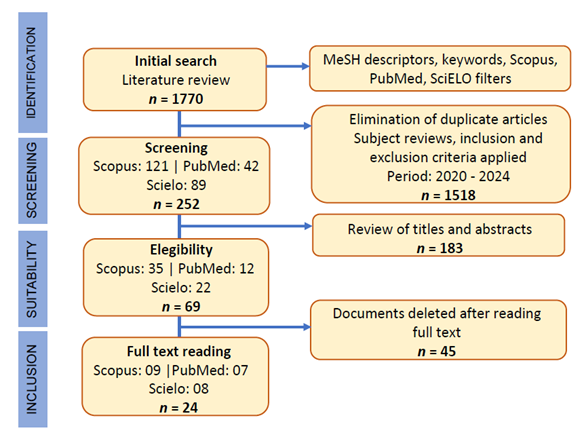
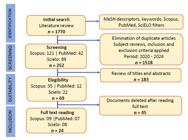
Subsequently, the most relevant and updated information was collected from different scientific articles on the subject published in three databases with a high level of scientific evidence such as Scopus, PubMed, and SciELO. The search strategy was determined using the keywords or DeCS descriptors “nursing care”, “humanization of assistance”, “hospitalization” and “health care”. other terms such as “humanized care”, “humanized nursing care”, “hospitalization services”, “hospitalized patients”, with their respective variations and translations, were also used, in combination with the Boolean operators “AND” and “OR”, obtaining the search algorithms. In this initial search, a total of 1770 articles were identified.
The inclusion criteria were review articles and original articles on humanized nursing care in hospitalization services, published between 2020 and 2024, in English, Spanish and Portuguese, open access to full text. The exclusion criteria were articles not directly related to the research objective, articles outside the established search period, documents considered as gray literature. The period of the last 5 years was selected to include recent studies reflecting the most current developments. This time range allows for studies after the COVID-19 pandemic, where there was an impact on hospital care and the visibility of the need for more empathic and person-centered care. In addition, the relevance, timeliness, and applicability of the findings to contemporary clinical practices are ensured.
When the inclusion and exclusion criteria were applied, 1518 articles that were not related to the topic were eliminated and 252 documents were left to be reviewed manually by verifying the title, abstract and keywords. After this review, 183 duplicate texts that were not related to the topic of interest were discarded, so the remaining 69 documents underwent a full-text reading review. Forty-five texts were discarded from this stage.
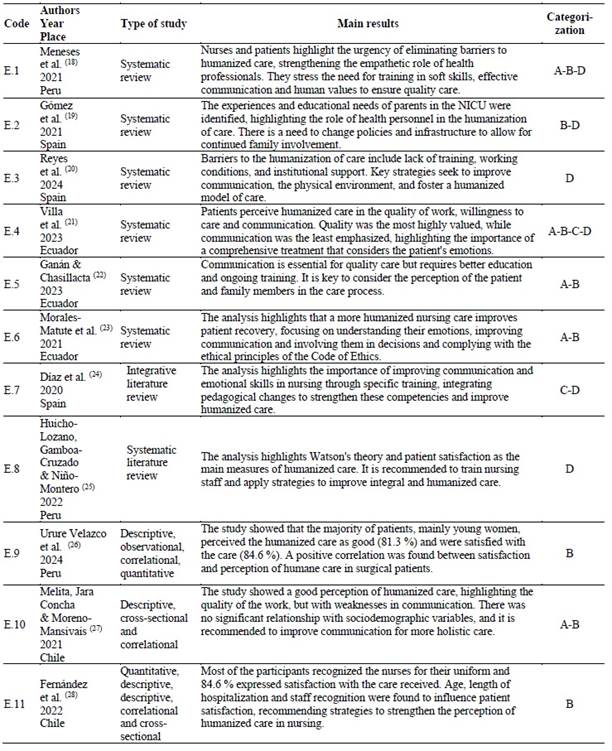
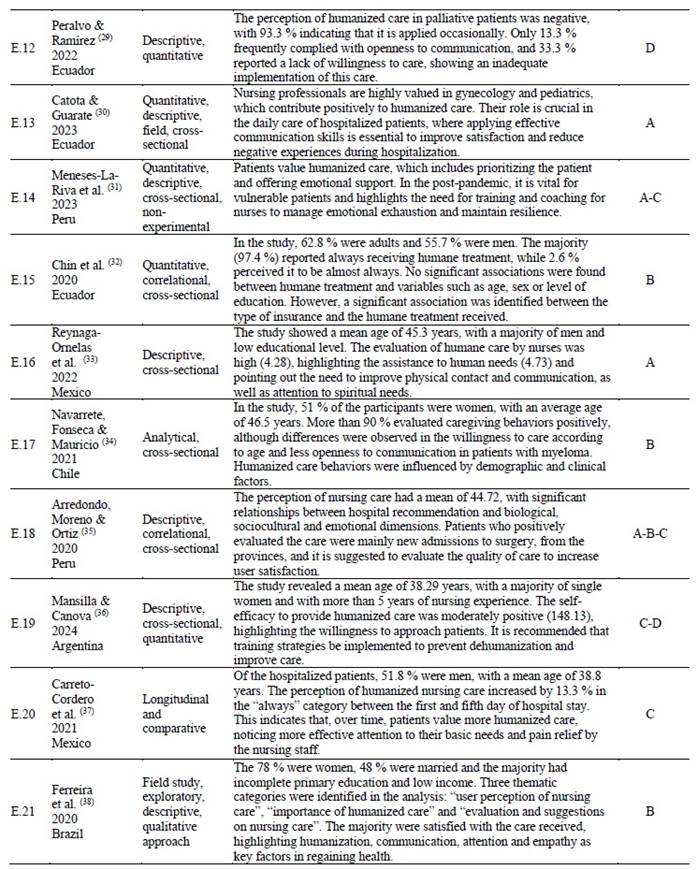
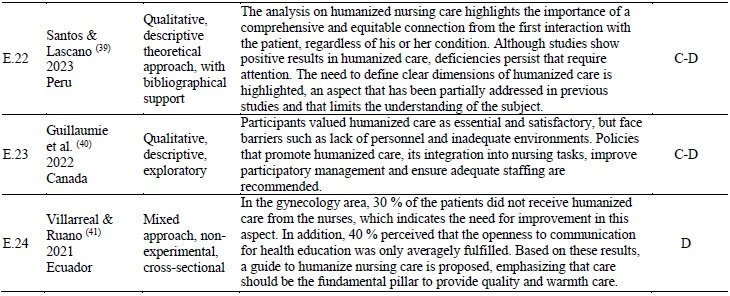
In the fourth phase, the selected information was organized, which was a total of 24 articles that met the objective and answered the proposed research question. This organization was carried out using an analysis matrix prepared by the author in a Microsoft Excel spreadsheet. This matrix was structured into five specific evaluation criteria: author, year of publication, country, type of study and main results. This facilitated the systematization and analysis of the relevant information, which was then classified according to the categorization of the findings. Likewise, a synthesis of the literature was made, managing the bibliographic references through the use of the Zotero bibliographic manager, to proceed with the quantitative and qualitative critical analysis of the selected articles.
The fifth phase is the presentation of the results, highlighting the most relevant aspects that support the study. The tables of results were elaborated in Excel and Figure 1 was elaborated with the Canva tool. Then, in the sixth phase, the development of the discussions and the corresponding conclusions were carried out, consolidating the findings obtained. Finally, the practical implications of the study and the limitations identified during the development of the review were established.
The information search procedure is reflected in a flow chart (Figure 1). The search for scientific articles was carried out in September 2024, in each of the databases mentioned using the search strategies detailed before, applying the eligibility criteria as filters.
Results
Of the 24 articles that were selected, 6 were systematic reviews (25 %), 2 were literature reviews (8.3 %), 12 were quantitative (50 %), 3 were qualitative (12.5 %) and 1 was mixed (4.2 %), showing a greater focus on quantitative studies, with important contributions to the subject of the study.
In relation to the contributions made by country, 7 were from Ecuador (29.2 %), 6 from Peru (25 %), 3 from Spain and 3 from Chile (12.5 % respectively), 2 from Mexico (8.3 %) and 1 study from Brazil, 1 from Argentina and 1 from Canada (4.2 % respectively). There is a large representation of Latin American countries with an interest in addressing this issue.
Table 1.. lists the 24 articles selected with the characteristics and relevant information for the analysis.
From the selected studies, after the critical analysis, four categories of argumentation are extracted according to the contribution of the key aspect of the implementation of humanized nursing care identified: a) Principles of humanized nursing care, b) Benefits of humanized nursing care, c) Challenges in the implementation of humanized care and d) Strategies for the implementation of humanized nursing care.
Humanized care in hospitalization services is essential to ensure comprehensive and quality care to users, contributing to the benefit of patients where a relationship of trust and empathy between nurse-patient is promoted, as well as improving the satisfaction and well-being of the nursing staff. In this way, work stress and burnout cases are reduced.
However, despite the progress in the implementation of this model, there are still areas for improvement, such as the need to strengthen continuous training in socioemotional skills and the adequacy of resources. Applying strategies that favor an adequate environment and preparing staff to face the challenges of patient-centered care is crucial to ensure the effective implementation of this holistic approach and, above all, that it is sustainable over time.
From the perspective of the principles of humanized nursing care, which are fundamental to nursing practice in hospital settings, several key values emerge. This section discusses values such as empathy, (31 respect for patient dignity 23 and effective communication 18,22 impact on care and the nurse-patient relationship, which is essential in providing an environment of trust and emotional support highlighting the relevance of these principles in improving clinical outcomes. (27,40)
Regarding the benefits of humanized nursing care, it extends to both patients and nursing staff. Observed advantages are explored here, including significant improvements in patient satisfaction, (25,26 increased adherence to treatment 34 and overall health outcomes, (21,28) linking it to evidence-based practices. Humanized care facilitates more personalized care, resulting in improved quality of life and greater physical and emotional well-being. (18
However, challenges in the implementation of humanized care are significant and include staff shortages, (37 organizational barriers 40 and work overload, (21 factors that hinder its effective implementation. In addition, the lack of adequate integration of technology into daily practice and insufficient training in social-emotional skills compound these difficulties. This section discusses the key obstacles identified in the reviewed studies and raises the need to address them through collaborative and innovative approaches.
Finally, strategies for the implementation of humanized care require overcoming organizational and structural barriers. In this section, strategies identified in the literature are presented to address the different challenges related to infrastructure, (40 resources, (24 focusing on institutional policies, training and strong leadership. (39 For successful adoption, institutional support, (21 involvement of health professionals and alignment between care policies (20,38 and daily practice in hospitals are crucial. (29 Models such as integrated care can facilitate this process, promoting strategic alliances and an evidence-based approach. (25 The strategic use of technology, such as digital platforms to facilitate communication and optimize care time, along with training programs in emotional intelligence and effective communication, can be crucial in overcoming barriers. These interventions are essential to integrate strategies and ensure that the principles of humanized care remain a priority in hospital care. (31
Discussion
The studies analyzed in this review highlight the relevance of humanized nursing care in hospitalization services, but present methodological and contextual differences that affect the generalizability of the findings. While some studies employed qualitative designs that delve into the experiences of patients and nurses, (21, 30) others used quantitative approaches to measure perceptions of satisfaction and adherence to care. (27,28 These methodological differences limit direct comparisons between studies, but enrich the overall perspective of the topic.
A common limitation found was that quantitative studies tend to rely on standard measurement instruments, but lack the depth needed to explore the emotional and relational dimensions of humanized care. These shortcomings can be complemented by qualitative studies that offer depth, descriptive richness and variability of experiences, but in this case, there are very few of them. Also, few studies explicitly addressed the impact of socioeconomic and cultural context, which limits the applicability of the findings to regions such as Latin America.
It is notable that training in socioemotional skills and the use of technology emerge as important factors for the implementation of humanized care, although their treatment varied among the studies. Among them, some emphasized the importance of integrating technological tools with empathic approaches, (32 while others focused on lack of training as a critical barrier. These divergences reflect the need for more integrated studies that address these areas together. (25
Humanized care is defined as an approach that prioritizes dignity, respect and empathy towards patients, promoting a closer relationship between patients and nursing professionals. (42,43 This humanized care focuses on the patient's physical, emotional and spiritual needs, creating a care environment that is welcoming, respectful and sensitive to the patient's individual needs. (44, 45) Emphasizing that the care and well-being of patients should be the focus of attention in the healthcare system. Humanized care implies an ethical and caring commitment where dignified and quality treatment is a fundamental right of individuals. (34
Principles of Humanized Nursing Care
Effective communication is fundamental to humanized nursing care. It serves as a vital tool for establishing trust and rapport between nurses and patients. (18, 46) Communication not only facilitates the exchange of information, but also enhances emotional support, which is key to alleviating patients' anxiety, fear and insecurity during their hospitalization process. Ganán and Chasillacta, in their study reveal that high levels of communication by nurses correlate with greater patient satisfaction and confidence, which highlights the importance of interpersonal connections in the care process. (22 Study reinforced by Catota and Guarate where good communication openness is evidenced, clarifying patients' doubts and explaining the procedures to be performed during their care.(30 While Villa et al. and Melita et al., in their research have found that, during humanized care, there is clear evidence of deficient and inadequate communication, being valued as an area for improvement. (21,27 Along the same lines, other authors highlight the importance of improving aspects such as empathy, communication and collaboration, to consolidate humanized care. (23,24,26,36)
The results of the studies show that there are still deficiencies in the knowledge of what humanized care involves. It is still a little far from what literature considers to be the principles of humanized care. These principles are effective communication, the nurse-patient relationship based on empathy and trust, and respect for the patient's dignity, which are fundamental to providing comprehensive and quality care in hospitalization services. These principles allow overcoming technical and unidirectional care, promoting a horizontal and consensual interaction that recognizes the patient as a holistic being, fostering his or her emotional and social well-being. Thus, dehumanization is avoided and the satisfaction and quality of the care offered is strengthened. (10
The emotional dimension and interpersonal relationships during care are equally important, as it fosters deeper connections between nurses and patients. (34 Establishing a trusting relationship allows for the effective expression of feelings, which contributes significantly to the healing process. (37 Jean Watson's theory of human caring emphasizes self-awareness and emotional reflection, stating that understanding one's feelings improves empathy and the quality of care provided. (47
Humanized nursing care extends beyond clinical procedures and encompasses the emotional and social aspects of interactions with patients. (34 Factors such as the nurse's personality and character can influence the quality of care, suggesting that a more humane approach can be cultivated through personal growth and professional development. (24, 48) The literature consistently shows that patients desire not only clinical effectiveness, but also compassionate care that acknowledges their human experience. (30)
Integration of the principles of humanized care into nursing education is vital. (38 Future nurses should receive training in clinical skills, effective communication and emotional intelligence (31 and ethical considerations 23 in interactions with patients. Continued education and training throughout a nurse's career can help reinforce these principles, ensuring that humanized care remains a priority within hospital settings.(20, 25, 29, 34)
Benefits of Humanized Nursing Care
Humanized nursing care offers numerous advantages that improve patient outcomes and overall care experiences. (26,32 One benefit is improved health-related quality of life, as demonstrated by Melita et al. and Fernandez et al., who report that patients value humanized nursing care, improve their perception of humanized care and relate this care to their well-being and recovery, leading to better health outcomes. (27,28 Likewise, other authors suggest that more empathetic care could improve their hospital experience. (38
Studies evaluating humanized nursing care have consistently reported high levels of patient satisfaction. Chin et al. reported high satisfaction with the care received. (32 Urure Velazco et al., in their study also found satisfaction in all dimensions of humanized care, concluding that the higher the satisfaction, the higher the perception of humanized care and vice versa. (26) Huicho-Lozano et al. support these results, finding in their research that patients associate quality of service with satisfaction and positively perceived humanized care, further highlighting the positive impact of a humanized approach. (25
The humanized approach fosters a supportive environment and leads to tangible improvements in health. Ferreira et al., in their research report that hospitalized patients relate the humanized care provided by nurses to their well-being and health recovery. (38 These results are supported by Melita et al. and Fernandez et al., show that patients who show better perceptions of humanized nursing care report better health outcomes. (27,28
Humanized nursing care plays an important role in expanding access to health care services, especially for populations with complex health and social needs. The study by Chin et al., revealed that most patients show high satisfaction with the care received and that different factors such as age, sex, marital status, educational level and ethnicity are not associated with the perception of humanized care, except for the type of insurance, where they highlight that having a peasant insurance is associated with the lowest perception of humanized treatment, suggesting the need to improve care for these types of patients. (32 Nurses facilitate access to care in diverse settings, which helps to overcome gaps created by socioeconomic barriers. (27 Increased accessibility is vital to promote health equity and effectively manage health care, especially hospital care.
In addition, humanized nursing care emphasizes the importance of involving patients as active participants in their care. (23 This is revealed in the study developed by Gomez et al., who assert that the active involvement of the patient and family members in their disease process is associated with greater satisfaction for both the patient and family members, improving their health care experience and suggesting implementing changes in care practices to foster a more inclusive and empowered environment. (19,49 By prioritizing patients' experiences and including their perspectives in care planning, nurses can create a more responsive and personalized care experience. (22 Evidence suggests that interventions that involve stakeholder participation are more likely to be sustainable and effective, underscoring the benefits of a collaborative approach to patient care. (50
In general, the findings confirm that the implementation of humanized care generates multiple benefits for patients, by favoring comprehensive care that recognizes and attends to their biological, emotional and social needs, contributing to improve their state of health, well-being, adherence to treatment and experience within the health system, which in turn promotes a faster recovery and raises their level of satisfaction. A reflective, ethical and collaborative practice is promoted in health personnel, which reduces dehumanization and strengthens communication and the professional-user relationship within a framework of mutual respect and trust, facilitating a more empathetic and committed work environment, where both technical and human knowledge is valued, contributing to a higher quality and more meaningful care. (10,39
Challenges in the Implementation of Humanized Care
Recruiting qualified staff is a pressing problem in many healthcare systems. (40 Hospitals experience particularly high pressures due to bureaucratic burdens along with patient care. This exacerbates already critical shortages of staff, especially nurses, making it difficult to implement a continuum of humanized care. (37
Faced with severe staff shortages, hospital institutions often resort to hiring external personnel on temporary contracts or outsourcing services. However, these strategies are infrequently used, particularly in hospitals that report the greatest pressure to hire qualified staff. In addition, organizational commitment and shared vision at various levels are crucial to implement effective care models, especially those related to organizational climate and culture. (28,51 This is where hospital management comes in, as it must ensure the best working conditions for the nursing staff, which will subsequently have an impact on the humanized care provided to the hospitalized patient and this in turn on patient satisfaction.(21,39
Several factors in the external context can impede the successful implementation of humanized care. Infrastructure-related barriers, such as difficulties in accessing services, negatively affect patients' confidence and ability to establish therapeutic relationships with professionals. (24,40 Socioeconomic and political factors also play a key role in shaping the challenges faced by health care systems, including the growing aging demographic and insufficient facilities. (20,38
The lack of strong leadership and institutional support is frequently cited as an obstacle to the sustainability of humanized care initiatives. (39,40 In addition, inadequate training provided to nursing professionals contributes to feelings of helplessness and insecurity in addressing care challenges, indicating the need for greater leadership involvement and institutional support. (18,28
In the international context, they also face universal and particular challenges, specifically related to cultural diversity, organizational structures and health systems. Studies in the United Kingdom and Canada highlight how administrative burdens and staff shortages hinder the personalization of care in hospitals. (52,53 In Europe and Asia, they highlight the high workload, lack of qualified staff and administrative pressure in technologically advanced health systems. (54,55 These studies suggest that the incorporation of technologies, such as patient monitoring applications, can free up time for nurses to focus on direct interaction with patients.
According to the literature, it can be mentioned that the challenges may vary according to the social, economic, political and cultural characteristics of the nations, being the challenges mostly coincidental. The main ones are health training focused on technical and dehumanization, the exhaustion and overwork of the staff that reduces empathy, and the commercialization of health practice that prioritizes speed and efficiency over the human relationship. In addition, the wellbeing of health workers is neglected, affecting their motivation and performance. Ineffective communication also plays a role, making it difficult for patients to participate in their care. Overcoming these factors requires an interdisciplinary approach, continuous training and ethical commitment from training to practice. (14,46
Strategies for the Implementation of Humanized Care
Implementation of humanized nursing care often intersects with integrated care models, which emphasize collaboration among diverse health care providers to improve patient outcomes. A key strategy for successful implementation is the establishment of partnerships between the community and academia. (24 These partnerships are crucial for promoting the empowerment of health care personnel, especially nurses. These collaborations facilitate meaningful stakeholder involvement during all phases of implementation.
The degree of existing integrated care and the adaptability of health care delivery components within organizational structures significantly influence the success of implementation. (56 It highlights the need to adapt not only to the integrated care model itself, but also the external and internal contexts that affect its application. Findings from different studies point to the clear need for health policies that promote a more humane approach to hospital care, as well as implementing institutional policies to achieve the goal. (38,40 Institutional policy design, can drive the implementation of integrated care, but must be supported by a flexible financing infrastructure. (57 Without adequate funding and policy support, efforts to integrate care may fail, highlighting the need for a comprehensive strategy that incorporates both top-down mandates and bottom-up initiatives. Hospital management has a critical role to play, especially through the implementation of strategies that improve staff working conditions and patient satisfaction. (21
The integration of evidence-based practices (EBP) into humanized nursing care has been linked to improved patient outcomes and increased return on investment for healthcare entities. Understanding and implementing EBP can significantly improve quality of care and patient safety, thereby supporting the goals of humanized nursing care.
To ensure sustainability of humanized care interventions, it is essential to use established implementation frameworks. Studies have shown that the use of theoretical frameworks can help address the sustainability of health care interventions. These frameworks underscore the importance of a multifaceted approach, combining diverse strategies to promote long-term change and effective care delivery in nursing practice. (58
The implementation of humanized strategies has been linked to interdisciplinary approaches and inclusive health policies that encourage patient and family participation. However, these systems also face challenges related to equity of access, especially in rural or marginalized communities. (59 In Nordic countries, strategies focus on balancing humanized care with highly technical systems. In these contexts, training programs in emotional intelligence and socioemotional skills have been implemented, demonstrating improvements in patient and staff satisfaction. However, the need to adapt these strategies to specific cultures and settings remains a critical issue, as pointed out by some studies conducted in Asian countries, where cultural values significantly influence the perception and practice of humanized care. (60
International findings show that solutions for implementing humanized care depend on the ability of health systems to adjust the models to their specific realities. This highlights the importance of developing flexible policies and continuous training programs that integrate both technical and emotional skills. These perspectives offer valuable lessons for Latin America, where organizational and resource constraints are persistent obstacles. Incorporating successful approaches from other contexts allows the identification of adaptable and effective strategies to overcome local challenges and strengthen humanized care.
According to the literature, to overcome the limitations of the implementation of the approach, it is also essential to rethink health education by integrating ethics and humanities along with technical knowledge, fostering effective communication that respects patient participation, and promoting interdisciplinary work with continuous training. The well-being of healthcare personnel must also be ensured through adequate working conditions and human recognition, as well as cultivating motivation based on compassion and ethical commitment. This comprehensive and holistic approach enables the provision of respectful care that considers both the patient and the health care team. (14,20
Implications practices
Providing humanized nursing care improves quality of care and patient satisfaction by fostering close relationships between nurses and patients. This approach reduces anxiety and stress in patients, promoting better adherence to treatments and faster recovery of their health. In addition, strengthening nurses' emotional connection to their work can reduce burnout and distress and increase job satisfaction.
Study limitations
A narrative review of the literature, with the absence of a systematic protocol for searching and selecting studies, could have introduced bias, despite the efforts made to ensure rigorous and relevant selection. In addition, several of the included studies present methodological limitations, such as descriptive or cross-sectional designs, small samples, lack of control of contextual variables, and little evaluation of the impact of this approach on clinical or public health indicators. These weaknesses limit the generalization of the findings. Therefore, it is considered pertinent to continue expanding knowledge on the subject according to the perspectives of professionals, patients and family members, which will provide a richer and deeper vision of the subject.
Conclusions
Humanized care has a transformative impact on the quality of patient care and clinical outcomes. The principles of empathy, respect and effective communication foster trusting relationships between nurses and patients, reducing stress and anxiety in hospital settings. The benefits of this approach for patients not only facilitate adherence to treatment and recovery but also help reduce complications related to hospital stress. In turn, it also contributes to improving the engagement of healthcare professionals by influencing their well-being and job satisfaction. To enhance these benefits, institutions should implement health policies that integrate humanized care as a central component, with specific indicators that measure its impact on clinical outcomes and patient satisfaction.
The implementation of humanized care faces significant barriers in hospitals, including staff shortages, work overload and inadequate infrastructure. These constraints make it difficult for nurses to devote the time needed to build effective interpersonal relationships and provide comprehensive care. To overcome these challenges, it is crucial that institutions invest in improving working conditions, ensuring an equitable distribution of staff and optimizing hospital spaces. In addition, hospital managers must prioritize management strategies that promote an organizational climate oriented towards humanized care.
Leadership and continuing education are essential elements to ensure that humanized care is sustainable and effective in the long term. Healthcare institutions should develop training programs that reinforce socioemotional competencies and communication skills in nursing staff, focusing on empathy, stress management and conflict management. Likewise, intersectoral alliances with educational and community organizations can strengthen the preparation of personnel, ensuring that new generations of professionals are better equipped to apply humanization principles in their daily practice. Leadership that fosters these values and promotes a patient-centered organizational culture will be key to consolidating this approach as an integral part of health systems.
References
-
1. Sierra L, Salazar S, Suarez E, Suarez R, Valdez V, Villadiego C. Humanización em los servicios de urgência: revisión narrativa. Horiz Enfermeria. 2022;33(1):83-95. Disponible en: https://redae.uc.cl/index.php/RHE/article/view/41153
» https://redae.uc.cl/index.php/RHE/article/view/41153 -
2. Ettenberger M, Calderón N. Intersections of the arts and art therapies in the humanization of care in hospitals: Experiences from the music therapy service of the University Hospital Fundación Santa Fe de Bogotá, Colombia. Front. Public Health. 2022;10:1020116. doi: 10.3389/fpubh.2022.1020116
» https://doi.org/10.3389/fpubh.2022.1020116 -
3. Bao L, Shi C, Lai J, Zhan Y. Impact of humanized nursing care on negative emotions and quality of life of patients with mental disorders. Am J Transl Res. 2021;13(11):13123-13128. Disponible en: https://pubmed.ncbi.nlm.nih.gov/34956532/
» https://pubmed.ncbi.nlm.nih.gov/34956532/ -
4. Leal M, Moreira R, Barros K, Servo M, Bispo T. Humanization practices in the parturitive course from the perspective of puerperae and nurse-midwives. Rev Bras Enferm (Internet). 2021;74. doi: 10.1590/0034-7167-2019-0743
» https://doi.org/10.1590/0034-7167-2019-0743 -
5. Garza R, Melendez C, Castillo G, Gonzáles F, Fang M, Castañeda H. Surgical Patients’ Perception About Behaviors of Humanized Nursing Care. Hisp Health Care Int Off J Natl Assoc Hisp Nurses. 2020;18(1):27-31. doi: 10.1177/1540415319856326
» https://doi.org/10.1177/1540415319856326 -
6. Castelo W, García S, Viñan J. Cuidado humanizado de enfermería a pacientes con pie diabético del Hospital General Santo Domingo-Ecuador. Rev Arch Méd Camagüey (Internet). 2020;24(6):e7169. Disponible en: http://scielo.sld.cu/scielo.php?script=sci_abstract&pid=S1025-02552020000600004&lng=es&nrm=iso&tlng=es
» http://scielo.sld.cu/scielo.php?script=sci_abstract&pid=S1025-02552020000600004&lng=es&nrm=iso&tlng=es -
7. Mondol D, Solano A. Humanized oncology nursing care in a person with gastric cancer: A case report (Internet). Enfermería Clínica. 2024;34(3):224-231. doi: 10.1016/j.enfcli.2024.03.005
» https://doi.org/10.1016/j.enfcli.2024.03.005 -
8. Oviedo D, Delgado I, Licona J. Habilidades sociales de comunicación en el cuidado humanizado de enfermería: Un diagnóstico para una intervención socioeducativa. Esc Anna Nery. 2020;24(2):e20190238. doi: 10.1590/2177-9465-EAN-2019-0238
» https://doi.org/10.1590/2177-9465-EAN-2019-0238 -
9. Meneses M, Fernández V, Suyo J, Ocupa G, Ocupa H. Differences in Humanized Care Perceived by Hospitalized Patients from Urban and Rural Areas during the COVID-19 Pandemic: Evidence Collected in Peru. Journal of Educational and Social Research (Internet). 2023;13(5):170. doi: 10.36941/jesr-2023-0129
» https://doi.org/10.36941/jesr-2023-0129 -
10. Cruz Riveros C. La naturaleza del cuidado humanizado. Enfermería: Cuidados Humanizados. 2020;9(1):21-32. doi: 10.22235/ech.v9i1.2146
» https://doi.org/10.22235/ech.v9i1.2146 -
11. Afonso S, Padilha M, Neves V, Elizondo N, Vieira R. Critical analysis of the scientific production on Jean Watson’s Theory of Human Care. Rev Bras Enferm. 2024;77(2):e20230231. doi: 10.1590/0034-7167-2023-0231
» https://doi.org/10.1590/0034-7167-2023-0231 -
12. Ferreira M, Sila P, Sauthier M, Da Silva R. Fundamentos nightingaleanos, cuidado humano e políticas de saúde no Século XXI. Revista Enfermagem Uerj. 2020;28:e50353. doi: 10.12957/reuerj.2020.50353
» https://doi.org/10.12957/reuerj.2020.50353 -
13. Velasco J, La Calle G. Humanizing Intensive Care: From Theory to Practice. Crit Care Nurs Clin North Am. 2020;32(2):135-147. doi: 10.1016/j.cnc.2020.02.001.
» https://doi.org/10.1016/j.cnc.2020.02.001. -
14. Malca Diaz J, Malca Vásquez J, Díaz Manchay R. Humanization of health care: Limiting factors and how to achieve it. Med Natur. 2024;18(1):49-53. Disponible en: http://www.medicinanaturista.org/images/revistas/mn%2018-1.pdf
» http://www.medicinanaturista.org/images/revistas/mn%2018-1.pdf -
15. Sili E, Do Nascimento E, De Malfussi L, Vieira P, Lazzari D, Forter F, Lohn A. Humanized nursing care in an Intensive Care unit in Angola: Faciltating and hindering factors revealed. Texto e Contexto Enferm. 2024;33:e20230111. doi: 10.1590/1980-265X-TCE-2023-0111en
» https://doi.org/10.1590/1980-265X-TCE-2023-0111en -
16. Padilla García CI, Jiménez Becerra I. Mediación tecnológica y humanización del cuidado de enfermería: revisión sistemática de literatura. Rev Cuid (Internet). 2024;15(2):e3537. doi: 10.15649/cuidarte.3537
» https://doi.org/10.15649/cuidarte.3537 -
17. Nicolalde D, Caicho O, Ramírez E. Patient perception of humanized care in the intensive care unit. Systematic review. Salud Cienc. Tecnol. 2022;2(S1):198. doi: 10.56294/saludcyt2022198
» https://doi.org/10.56294/saludcyt2022198 -
18. Meneses M, Fernández V, Suyo J, Ocupa H, Ocupa G, Paredes S. Humanized Care From the Nurse-Patient Perspective in a Hospital Setting: A Systematic Review of Experiences Disclosed in Spanish and Portuguese Scientific Articles. Front Public Health. 2021;9: 737506. doi: 10.3389/fpubh.2021.737506
» https://doi.org/10.3389/fpubh.2021.737506 -
19. Gómez S, García I, Dios M, Yáñez B, Molina B, Moncunill E. Nursing Perspective of the Humanized Care of the Neonate and Family: A Systematic Review. Child Basel Switz. 2021;8(1):35. doi: 10.3390/children8010035
» https://doi.org/10.3390/children8010035 -
20. Reyes A, Gonzáles A, Martín A, Gázquez M, Martínez E, García I. Humanization of nursing care: a systematic review. Front. Med. (Internet). 2024;11:1446701. doi: 10.3389/fmed.2024.1446701
» https://doi.org/10.3389/fmed.2024.1446701 -
21. Villa L, Chuquimarca M, Egas F, Yazuma J, Carrera L, Quispe M. Humanized care applied in nursing: A systematic review. LATAM Rev Latinoam Cienc Soc Humanidades. 2023;4(2):5711-5725. doi: 10.56712/latam.v4i2.1012
» https://doi.org/10.56712/latam.v4i2.1012 -
22. Ganán K, Chasillacta F. Communication in the humanized care provided by the nursing professional. Salud Cienc Tecnol. 2023;3:505. doi: 10.56294/saludcyt2023505
» https://doi.org/10.56294/saludcyt2023505 -
23. Morales-Matute MG, Mesa-Cano IC, Ramírez-Coronel AA, Pesántez-Calle MF. Conducta ética del profesional de enfermería en el cuidado directo al paciente hospitalizado: Revisión sistemática. AVFT - Archivos Venezolanos De Farmacología Y Terapéutica. 2021;40(3):256-265. doi: 10.5281/zenodo.5039424
» https://doi.org/10.5281/zenodo.5039424 -
24. Díaz M, Alcántara L, Aguilar D, Puertas E, Cano M. Training guidelines for humanised nursing care: An integrative literature review. Enfermeria Glob. 2020;19(2):657-672. doi:10.6018/eglobal.392321
» https://doi.org/10.6018/eglobal.392321 -
25. Huicho-Lozano P, Gamboa-Cruzado J, Niño Montero J. Humanized care of nursing staff and satisfaction of patients hospitalized for dengue with warning signs. Boletin Malariol Salud Ambient. 2022;62(6):1279-1288. doi: 10.52808/bmsa.7e6.626.021
» https://doi.org/10.52808/bmsa.7e6.626.021 -
26. Urure Velazco IN, Pacheco Villa García LA, Llerena Ururi KL, Berrocal Pacheco PL. Perceived satisfaction and humanized nursing care in surgical patients public hospital of Peru. Enfermería Clínica. 2025;35(1):102128. doi: 10.1016/j.enfcli.2024.06.008
» https://doi.org/10.1016/j.enfcli.2024.06.008 -
27. Melita AB, Jara Concha P, Moreno-Mansivais M. Percepción de pacientes hospitalizados en unidades medico quirúrgicas sobre el cuidado humanizado de enfermería. Enfermería: Cuidados Humanizados. 2021;10(1):89-105. doi: 10.22235/ech.v10i1.2481
» https://doi.org/10.22235/ech.v10i1.2481 -
28. Fernández C, Mansilla E, Aravena A, Antiñirre B, Garcés M. Percepción de los pacientes hospitalizados respecto del cuidado de enfermería. Enfermería: Cuidados Humanizados. 2022;11(1):e2635. doi: 10.22235/ech.v11i1.2635
» https://doi.org/10.22235/ech.v11i1.2635 -
29. Peralvo G, Ramírez G. Humanized nursing care to the palliative patient during hospital stay. Salud Cienc Tecnol. 2022;2:161. doi: 10.56294/saludcyt2022161
» https://doi.org/10.56294/saludcyt2022161 -
30. Catota P, Guarate Y. Humanized nursing care in hospitalized patients. Salud Cienc Tecnol. 2023;3:260. doi:10.56294/saludcyt2023260
» https://doi.org/10.56294/saludcyt2023260 -
31. Meneses-La-Riva ME, Fernández-Bedoya VH, Suyo-Vega JA, Ocupa-Cabrera HG, Ocupa-Meneses GD, Paredes Diaz SE. Perception of humanised care in hospitalised patients in a public institution in post-pandemic Lima, Peru. Acad J Interdiscip Stud. 2023;12(2):15-22. doi: 10.36941/ajis-2023-0027
» https://doi.org/10.36941/ajis-2023-0027 -
32. Chin L, Roldan J, Cobos M, Vizuela J, Rivera P. Factores asociados al trato humanizado del personal de enfermería a usuarios ingresados en el hospital de especialidades José Carrasco Arteaga. Cuenca - 2019. Kill Salud Bienestar. 2020;4(4):99-106. doi: 10.26871/killcanasalud.v4i4.756
» https://doi.org/10.26871/killcanasalud.v4i4.756 -
34. Navarrete T, Fonseca F, Mauricio R. Humanized Care from the Perception of Oncology Patients from Southern Chile. Investig Educ En Enfermeria. 2021;39(2):e04. doi: 10.17533/udea.iee.v39n2e04
» https://doi.org/10.17533/udea.iee.v39n2e04 -
36. Mansilla M, Canova C. Nurses’ self-efficacy to provide humanized care. Gac Medica Boliv. 2024;47(1):20-26. doi: 10.47993/gmb.v47i1.763
» https://doi.org/10.47993/gmb.v47i1.763 -
37. Carreto-Cordero B, De León-Ramírez M, Torres-Reyes A, Morales-Castillo F, Tenahua-Quitl I, De Ávila-Arroyo M, et al. Percepción del cuidado humano del profesional de enfermería a través de los días de estancia hospitalaria. J Health NPEPS. 2021;6(1):218-231. doi: 10.30681/252610105199
» https://doi.org/10.30681/252610105199 -
38. Ferreira D, Franco I, Lopes M, Concepción F, Melo D, Pereira A, et al. Perception of Hospitalized Users About Humanized Nursing Care in a Municipal Hospital of Itaituba, Pará-Brazil. Int J Innov Educ Res. 2020;8(8):228-239. doi: 10.31686/ijier.vol8.iss8.2511
» https://doi.org/10.31686/ijier.vol8.iss8.2511 -
39. Santos S, Lascano C. El cuidado humanizado de enfermería, una necesidad de la praxis profesional. Vive Rev Salud. 2023;6(16):93-103. doi: 10.33996/revistavive.v6i16.209
» https://doi.org/10.33996/revistavive.v6i16.209 -
40. Guillaumie L, Boiral O, Desgroseilliers V, Vonarx N, Bernard R. Empowering Nurses to Provide Humanized Care in Canadian Hospital Care Units: A Qualitative Study. Holist Nurs Pract. 2022;36(5):311-326. doi: 10.1097/HNP.0000000000000418
» https://doi.org/10.1097/HNP.0000000000000418 -
42. Watson J. La teoría del cuidado humano: retrospectiva y prospectiva. Nurs Sci Q. 1997;10:49-52. doi: 10.1177/08943184970100011
» https://doi.org/10.1177/08943184970100011 -
43. Mårtensson S, Hodges E, Knutsson S, Hjelm C, Broström A, Swanson K, et al. Caring Behavior Coding Scheme based on Swanson's Theory of Caring - development and testing among undergraduate nursing students. Scand J Caring Sci. 2021;35(4):1123-1133. doi: 10.1111/scs.12927
» https://doi.org/10.1111/scs.12927 -
44. Simms L. Nursing: The Philosophy and Science of Caring. American Journal of Nursing. 1979;79(11):2040. Disponible en: https://journals.lww.com/ajnonline/citation/1979/11000/nursing__the_philosophy_and_science_of_caring.42.aspx
» https://journals.lww.com/ajnonline/citation/1979/11000/nursing__the_philosophy_and_science_of_caring.42.aspx -
45. Lopez M, Jimenez JM, Fernández-Castro M, Martin-Gil B, Garcia S, Cao MJ, et al. Impact of Nursing Methodology Training Sessions on Completion of the Virginia Henderson Assessment Record. Nursing Reports. 2020;10(2):106-114. doi: 10.3390/nursrep10020014
» https://doi.org/10.3390/nursrep10020014 -
46. Kwame A, Petrucka P. A literature-based study of patient-centered care and communication in nurse-patient interactions: barriers, facilitators, and the way forward. BMC Nurs. 2021;20:158. doi: 10.1186/s12912-021-00684-2
» https://doi.org/10.1186/s12912-021-00684-2 -
47. Rosas E, Valenzuela-Suazo S, Jiménez-González MJ. Trascendencia espiritual, oportunidad de cuidadores informales de personas mayores: revisión integrativa desde la filosofía de Watson. Enfermería: Cuidados Humanizados. 2020;9(2):149-159. doi: 10.22235/ech.v9i2.1968
» https://doi.org/10.22235/ech.v9i2.1968 -
48. Guven Ozdemir N. The Development of Nurses’ Individualized Care Perceptions and Practices: Benner's Novice to Expert Model Perspective. International Journal of Caring Sciences. 2019;12(2):1279-1285. Disponible en: https://acortar.link/1eK21I
» : https://acortar.link/1eK21I -
49. Yan C, Zhou L, Kang X. Effect of humanized care in the treatment of neonatal jaundice and its effect on oxygen saturation. Am J Transl Res. 2021;13(5):4908-4914. Disponible en: https://pmc.ncbi.nlm.nih.gov/articles/PMC8205797/
» https://pmc.ncbi.nlm.nih.gov/articles/PMC8205797/ -
50. Liu L, Xiao Y, Zhou X. Effects of humanized nursing care on negative emotions and complications in patients undergoing hysteromyoma surgery. World J Clin Cases. 2023;11(28):6763-6773. doi: 10.12998/wjcc.v11.i28.6763
» https://doi.org/10.12998/wjcc.v11.i28.6763 -
51. Martín M, Wennberg L, Rodríguez E, Llaurado M, De Juan M. Challenges for hospital management in supporting nurses to deliver humanized care. Nursing Inquiry. 2021;32(1):e12422. doi: 10.1111/nin.12422
» https://doi.org/10.1111/nin.12422 -
52. Taylor A, Groene O. European hospital managers' perceptions of patient-centred care. J Health Organ Manag. 2015;29(6):711-728. doi: 10.1108/JHOM-11-2013-0261
» https://doi.org/10.1108/JHOM-11-2013-0261 -
53. Simpkin AL, Dinardo PB, Pine E, Gaufberg E. Reconciling technology and humanistic care: Lessons from the next generation of physicians. Med Teach. 2017;39(4):430-435. doi: 10.1080/0142159X.2017.1270434
» https://doi.org/10.1080/0142159X.2017.1270434 -
54. De la Fuente C, Rojas M, Gómez M, Lara P, Morán E, Aguilar A. Humanization in healthcare arises from the need for a holistic approach to illness. Medicina Intensiva. 2018;42(2):99-109. doi: 10.1016/j.medine.2017.08.011.
» https://doi.org/10.1016/j.medine.2017.08.011. -
55. Abubakari AK, Gross J, Asamoah E. Barriers to delivery of culturally competent care among nurses: A multi-center cross-sectional study in a resource-limited setting. International Journal of Africa Nursing Sciences. 2020;20:100705. doi: 10.1016/j.ijans.2024.100705
» https://doi.org/10.1016/j.ijans.2024.100705 -
56. Alkhaibari, RA, Smith-Merry, J, Forsyth, R, Raymundo, GM. Patient-centered care in the Middle East and North African region: a systematic literature review. BMC Health Serv Res. 2023;23:135. doi: 10.1186/s12913-023-09132-0
» https://doi.org/10.1186/s12913-023-09132-0 -
57. Grover S, Fitzpatrick A, Azim F, Ariza P, Bellwood P, Burns J, et al. Defining and implementing patient-centered care: An umbrella review. Patient Educ Couns. 2022;105(7):1679-1688. doi: 10.1016/j.pec.2021.11.004
» https://doi.org/10.1016/j.pec.2021.11.004 -
58. McFarland, M, Wehbe, H. Leininger’s Theory of Culture Care Diversity and Universality: An Overview with a Historical Retrospective and a View Toward the Future. Journal of Transcultural Nursing. 2019;30(6):540-557. doi: 10.1177/1043659619867134
» https://doi.org/10.1177/1043659619867134 -
59. Busch IM, Moretti F, Travaini G, Wu A, Rimondini M. Humanization of Care: Key Elements Identified by Patients, Caregivers, and Healthcare Providers. A Systematic Review. Patient. 2019;12(5):461-474. doi: 10.1007/s40271-019-00370-1
» https://doi.org/10.1007/s40271-019-00370-1 -
60. Vakil K, Alemu Desse T, Manias E, Alzubaidi H, Rasmussen B, Holton S, et al. Patient -Centered Care Experiences of First-Generation, South Asian Migrants with Chronic Diseases Living in High-Income, Western Countries: Systematic Review. Patient Prefer Adherence. 2023;17:281-298. doi:10.2147/PPA.S391340
» https://doi.org/10.2147/PPA.S391340