Characterization of the patient safety culture in public hospitals of Ecuador: multicentric cross-centric study
Introduction: Patient safety culture is a key determinant in preventing adverse events and improving the quality of care. In Ecuador, evidence regarding its status in public hospitals is scarce, which justifies the need for a systematic evaluation
Objective: To evaluate the patient safety culture in three hospitals within Ecuador’s Comprehensive Public Health Network.
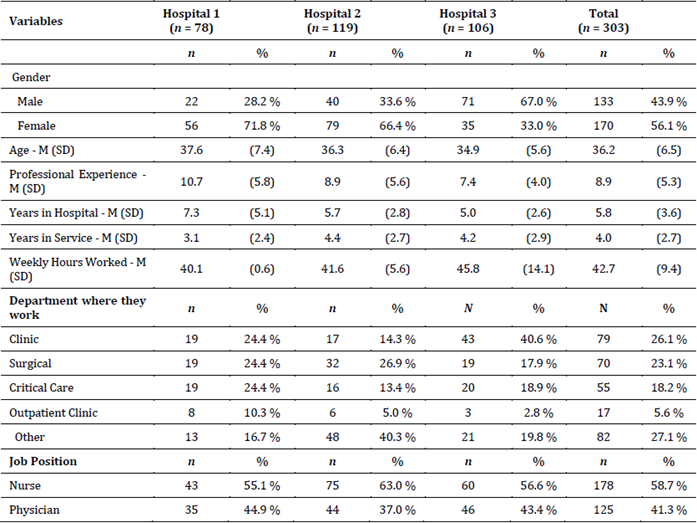
Method: A quantitative, descriptive, cross-sectional study conducted from January 2024 to December 2025. The population consisted of 1,266 physicians and nurses. The sample comprised 303 professionals, selected through systematic random sampling stratified by hospital. The Patient Safety Questionnaire, Spanish version, validated by the University of Murcia, was administered. The analysis was performed using descriptive statistics.
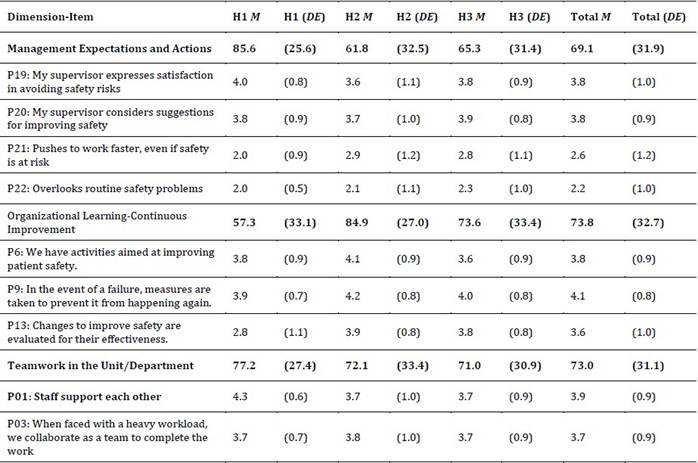
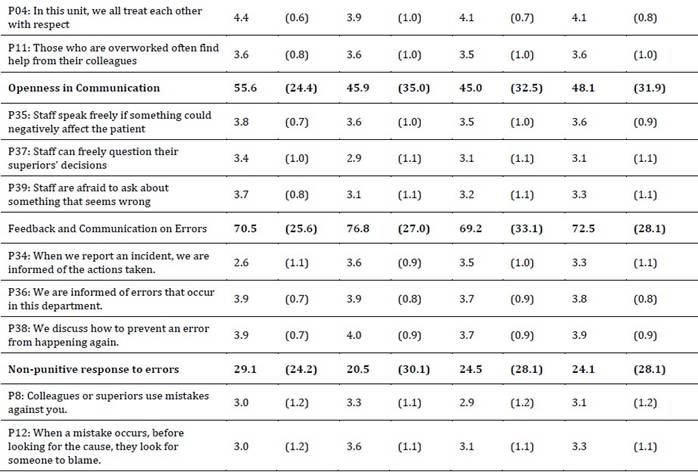
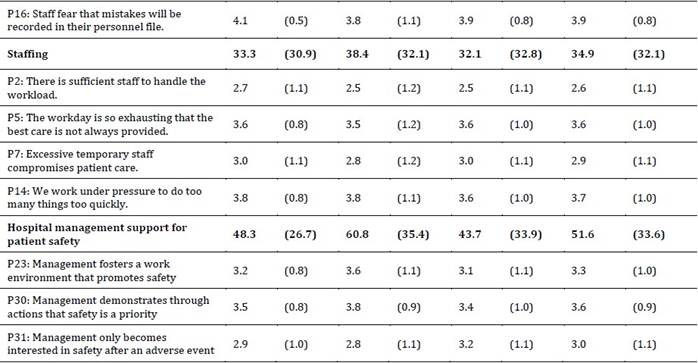
Results: The study identified strengths in dimensions such as Organizational Learning (M= 73.8; SD= 32.7), Teamwork (M= 73.0; SD= 31.1), and Feedback and Error Communication (M= 72.5; SD= 2.1), and weaknesses in the following dimensions: Open communication (M= 48.1, SD= 31.9), Non-punitive response to errors (M= 24.1, SD= 28.1), Staffing (M= 34.9; SD= 32.1), and Hospital management support for patient safety (M= 51.6; SD= 3.6).
Conclusion: The patient safety culture in the three hospitals exhibits systemic flaws, with opportunities for improvement through the implementation of strategies such as viewing reporting as a tool for organizational learning rather than punishment, adequate staffing, and support from senior management in patient safety management a responsibility shared by all.
Keywords:
systematic review; women; violence against women; intimate partner violence; nursing