Construction and Evidence of Validity and Reliability of Perceived Teacher Feedback Scale
Abstract:
Teacher feedback is an important tool for the learning process; however, the perception that students have about this phenomenon is not addressed in the educational context, especially in higher education. Thus, the aim of this study is to design and validate a psychometric scale that measures university students' perception of teacher feedback. The study sample consisted of 418 university students between 18 and 30 years of age. Content validity analysis was carried out by expert judges, as well as internal validity analysis using exploratory factor analysis. Internal consistency analyses are also reported. The results show excellent fit indices. Reliability coefficients were greater than .87 in all dimensions. The results obtained allow arguing the use of the instrument to measure teacher feedback perceived by students in higher education.
Keywords:
feedback; psychometry; higher education; factor analysis
Resumen:
La retroalimentación docente es una herramienta importante para el proceso de aprendizaje; sin embargo, la percepción que los estudiantes tienen sobre este fenómeno no es abordada en el contexto educativo, especialmente en el de Educación Superior. El objetivo del presente estudio es diseñar y validar una escala psicométrica que mide la percepción de estudiantes universitarios sobre la retroalimentación docente. La muestra del estudio estuvo conformada por 418 estudiantes universitarios entre 18 y 30 años. Se realizó el análisis de validez de contenido mediante jueces expertos, así como análisis de validez interna mediante el uso de análisis factorial exploratorio. También se reportan los análisis de consistencia interna. Los resultados muestran excelentes índices de ajuste. Los coeficientes de confiabilidad fueron mayores a .87 en todas las dimensiones. Los resultados obtenidos permiten argumentar el uso del instrumento para medir la retroalimentación docente percibida por los estudiantes en la educación superior.
Palabras clave:
retroalimentación; psicometría; educación superior; análisis factorial
Resumo:
O feedback docente é uma ferramenta importante para o processo de aprendizagem; no entanto, a percepção que os estudantes têm sobre esse fenômeno não é abordada no contexto educativo, especialmente no Ensino Superior. Assim, o objetivo do presente estudo é conceber e validar uma escala psicométrica que mede a percepção de estudantes universitários sobre o feedback docente. A amostra do estudo foi composta por 418 estudantes universitários com idades entre 18 e 30 anos. Realizou-se a análise de validade de conteúdo por meio de juízes especialistas, bem como a análise de validade interna por meio de análise fatorial exploratória. Também são reportadas as análises de consistência interna. Os resultados revelam excelentes índices de ajuste. Os coeficientes de confiabilidade foram superiores a 0,87 em todas as dimensões. Os resultados obtidos permitem sustentar o uso do instrumento para medir o feedback docente percebido pelos estudantes no ensino superior.
Palavras-chave:
feedback; psicometria; ensino superior; análise fatorial
Teacher feedback is a key pedagogical practice that significantly influences student learning, as it guides, reinforces, or restructures their performance through information about their tasks, processes, or attitudes (Anijovich, 2018; Clark, 2012; Hattie & Timperley, 2007). It can be delivered in different ways but is usually presented through observations that justify a grade (Wisniewski et al., 2020). In this sense, teacher’s feedback is expected to help students identify their mistakes, as well as suggest solutions, strategies, and goals related to what has been reviewed (Brinko, 1993). As a pedagogical practice, feedback functions as a scaffolding tool aimed at encouraging students to reflect on their performance and achieve their academic goals (Anijovich, 2018; Bazán-Ramírez et al., 2022; Lipnevich & Panadero, 2021).
However, not all feedback has the same impact. In some cases, it may facilitate understanding and self-regulation, while in other cases it can be rather dysfunctional, such as when it is limited to correcting mistakes without providing guidance for improvement (Guo & Wei, 2019). Different types of feedback have been proposed in the literature (Guo, 2020; Hattie & Timperley, 2007; Lipnevich & Panadero, 2021; Moreno, 2023; Wisniewski et al., 2020). These can be categorized according to its focus (product, process, or self-regulation) and its characteristics (length, quality, or affective tone) (Hattie & Timperley, 2007; Wisniewski et al., 2020). More recently, authors such as Guo (2020) have proposed a more complex framework that considers both the quality of the message given to students and complementary information related to the academic activity. Thus, Guo (2017, 2020) conceives feedback as part of a scaffolding process and highlights the importance of comments directed at student characteristics.
Based on the reviewed literature, teacher feedback can be classified into four types: Formative Feedback, Ineffective Feedback, Praise to the Student, and Criticism to the Student (Guo, 2020; Guo & Wei, 2019; Hattie & Timperley, 2007; Lipnevich & Panadero, 2021; Wisniewski et al., 2020).
Formative Feedback refers to constructive information about the content or to the guidance that teachers provide regarding the achievements and challenges in which a task can be improved. This occurs, for instance, when the teacher writes comments, gives clear instructions, or asks questions about results (Mollo & Deroncele, 2022). In this way, feedback facilitates and encourages student reflection in connection with their learning goals (Anijovich, 2018; Hernández et al., 2024; Luna et al., 2022).
By contrast, Ineffective Feedback refers to insufficient or unhelpful feedback regarding the content of a student’s work. In such cases, teacher comments are not focused on supporting student learning, as when only errors are marked, corrections are provided, and a grade is assigned without additional guidance.
Praise towards the Student refers to positive feedback directed at student performance. This type of feedback includes compliments with the purpose of enhancing students’ self-esteem and fostering improvements in their learning, as suggested by Guo (2017, 2020). Praise is a feasible and non-intrusive classroom strategy that teachers at different educational levels can easily employ (Criss et al., 2024; Jenkins et al., 2015). As such, praise may be considered a useful strategy depending on its impact on student behavior (Partin et al., 2009), since it generally makes students feel reinforced (Moffat, 2011).
Finally, Criticism to the Student refers to negative feedback regarding student performance. This includes teachers’ negative comments about students’ attitudes, behaviors, or academic performance, expressed through disapproval, rejection, or dissatisfaction (Brophy, 1981; Guo et al., 2019; Hyland, 2000, in Hyland & Hyland, 2001). Such criticism is usually directed at students who perform poorly and tends to be characterized by pressure, control, and dominance on the part of teachers (Aelterman et al., 2019). Criticism often targets perceived carelessness or low effort, or conveys that students are capable of doing better work.
In particular, formative feedback has been shown to be more effective than other forms of feedback, such as corrective feedback, indiscriminate praise, or punishment, as it provides useful information for improving future performance (Anijovich, 2018; Burga et al., 2023). By contrast, praise, punishment, rewards, and corrective feedback generally have small to moderate effects on average (Anijovich, 2018) and can negatively influence motivation, academic self-concept, and classroom experience (Ansari & Usmani, 2018; Brandmo & Gamlem, 2025; Ceccarelli, 2014).
In Peru, education policy prioritizes the assessment of learning and the achievement of educational quality, as reflected in normative documents such as the Marco de Buen Desempeño Docente (Teacher Performance Framework; Ministerio de Educación (Minedu), 2012) and the Currículo Nacional de Educación Básica (National Curriculum for Basic Education; Minedu, 2016). Within teacher performance evaluation, classroom monitoring and the quality of the feedback provided are explicitly assessed (Minedu, 2025a). However, evidence from the Monitoreo de Prácticas Escolares (School Practices Monitoring, MPE) indicates that only 1 % of basic education teachers achieve an effective level of formative assessment (Minedu, 2025b). Consequently, most teachers tend to provide superficial feedback, pointing only to the correct answer without offering information on how to improve.
Despite the regulatory emphasis, research on this phenomenon in Peru has been limited almost exclusively to undergraduate theses evaluating formative feedback in university students through self-report questionnaires correlated with performance variables (Altez, 2021; Boyco, 2019; Calvo, 2018; Uchpas, 2020) or opinion articles discussing the importance of formative assessment and feedback (Beriche & Medina, 2021; Bizarro et al., 2019; Espinoza-Freire, 2021). This indicates a knowledge gap in the study of teacher feedback in the country.
It is worth noting that teachers and students do not always share a common vision regarding feedback in the educational process. Previous studies have shown that teachers tend to overestimate the clarity, usefulness, and frequency of the feedback they provide, while students often perceive it as insufficient, unspecific, or lacking in guidance for improvement (Benson-Goldberg & Erickson, 2021; Dawson et al., 2019). This dissonance in perceptions poses an obstacle to the formative purpose of feedback, since what truly impacts learning is how students interpret, process, and use the information received (Carless & Boud, 2018).
From this perspective, evaluating feedback solely from the teacher’s viewpoint is limited, as it overlooks the experiences of those who are its primary recipients. Hence, it is necessary to place students at the center of the evaluation process, acknowledging their active role in interpreting pedagogical messages and constructing meaning from them (Carless & Boud, 2018; Mollo & Deroncele, 2022). Moreover, considering student perceptions makes it possible to identify whether feedback fulfills key functions such as clarifying expectations, guiding improvement, and fostering self-regulation (Hernández et al., 2024; Lipnevich & Panadero, 2021).
Therefore, having valid and reliable instruments to systematically capture student perceptions of the different types of teacher feedback is crucial to bridging the gap between teacher intentions and the actual impact on learning. In this context, the general objective of the present study was to design and validate a psychometric instrument to measure students’ perceptions of teacher feedback in higher education. This instrument considers four theoretical dimensions derived from the literature: formative feedback, ineffective feedback, praise to the student, and criticism to the student (Guo & Wei, 2019; Hattie & Timperley, 2007; Lipnevich & Panadero, 2021).
The main contribution of this study lies in providing a valid and context-sensitive tool for investigating feedback practices at the higher education level from the students’ perspective. Unlike previous studies that focused on teacher feedback in elementary school or Anglo-Saxon contexts, this study offers empirical and conceptual evidence from a Latin American university perspective. This fills an important gap in understanding how students interpret the feedback they receive in institutions within our region. Such a contribution is relevant to the field of educational research, as it enables critical evaluation of teaching practices from the students’ viewpoint, informs initial and ongoing teacher training processes, and supports the design of more effective and equitable pedagogical strategies in higher education.
Method
Participants
The sample was selected using non-probability sampling and consisted of 418 university students aged between 18 and 30 (M = 20.87, SD = 2.33), with 147 (35.2 %) participants identifying as male and 271 (64.8 %) identifying as female. Likewise, 223 (53.34 %) of the participants came from the city of Lima, while 195 (46.65 %) came from the city of Arequipa. On the other hand, 216 (51.67 %) students came from a private university, while 202 (48.33 %) came from a public university. The inclusion criteria were that students be of legal age (18 years or older) and be enrolled at the university during the fieldwork, as well as during the previous cycle. It was also taken into consideration that all of the courses they had been taking were face-to-face.
Instruments
Perception of Teacher’s Feedback Questionnaire (Cuestionario de Percepción de Retroalimentación Docente, CPRD). The instrument was created based on studies by Guo et al. (2019), Guo (2020), Ramaprasad (1983), and Wisniewski et al. (2020), as well as existing psycho-pedagogical evidence on summative and formative assessments (Anijovich, 2018; Hattie & Timperley, 2007; Ishaq et al., 2020). The instrument has 21 items, which are answered on a Likert scale from 1 (Strongly disagree) to 5 (Strongly agree), with the following instructions: “Below is a series of statements about your experience in the classroom. There are no right or wrong answers, so please answer honestly.” The items are grouped into four dimensions based on theoretical and empirical evidence:
-
Formative feedback: refers to the participant's perception of the constructive comments provided by the teacher on the quality of a task or activity performed. For example, item 5 states: “The feedback provided by my teacher allows me to reflect on what I need to improve in my tasks.” This goes beyond grading or checking right or wrong, giving the student a sense of scaffolding in their learning. It consists of 6 items.
-
Ineffective feedback: measures the student's perception of the teacher's feedback on the content assessed. For example, item 13 states: “My teacher only gives me a final score instead of correcting each question on an assessment.” In this sense, this dimension assesses whether the feedback is based on criticism that does not support the student's learning, being more critical and unrelated to the content assessed. It consists of 6 items.
-
Praise to the student: this addresses the participant's perception of the teacher's comments about the quality of their skills or performance. Feedback is given in terms of how well they perform in the academic environment. For example, item 10 states, “My teacher makes positive comments to a student when they have outstanding grades.” It consists of 5 items.
-
Criticism of the student: measures the student's perception of the teacher's feedback on their performance. In this sense, this dimension assesses whether the feedback is not directly related to the task being evaluated, but is more of a criticism of the student and their abilities. For example, item 19 states, “When someone gets a bad grade on a test, my teacher implies that it was to be expected for this student.” It consists of 4 items.
Procedure
The items for the instrument were designed based on relevant bibliographic references on teacher feedback, particularly the studies by Guo et al. (2019), Guo (2020), Wisniewski et al. (2020), Hattie and Timperley (2007), Ishaq et al. (2020), and Anijovich (2018). The studies by Guo et al. (2019), Guo (2020), and Wisniewski et al. (2020) allowed us to identify previous psychometric instruments and their evidence in university educational contexts, which are currently the most widely used in the field of teacher feedback. The studies by Hattie and Timperley (2007), Ishaq et al. (2020), and Anijovich (2018) allowed us to define a theoretical structure proposed for this instrument. This made it possible to establish a frame of reference for the types of feedback that teachers can provide, linking it to the concepts of summative and formative assessment. Thus, an instrument initially consisting of 25 items was designed. To this end, the help of specialists in education and psychopedagogy was enlisted, who reviewed and supported the process of drafting the items.
Next, content validity was assessed by expert judges in the field. To do this, the consistency of the items was evaluated. This required contacting three experts (with at least five years of experience in teaching and designing formative and summative assessments), who reviewed and evaluated the items and responded to a questionnaire where 1 meant they accepted the item and 0 meant they did not accept the item.
Once the evidence of content validity had been analyzed, fieldwork was carried out from November 2023 to February 2024, which was done virtually by sharing the QR code of the research protocol. The protocol consisted of the following parts: informed consent, sociodemographic data, and the teacher feedback questionnaire. Participants had to read the informed consent form and then agree to participate in order to continue filling out the protocol. Otherwise, the protocol closed automatically, thanking the participant for their support. Likewise, if the participant was under 18 years of age, it also closed automatically. Finally, the protocol was applied, and participants were informed, prior to scanning the QR code, that participation was voluntary. The information was collected in a Google Form, and the database was digitized in the statistical software Rstudio.
Data analysis
For content validation, the judgment of three experts qualified in the field of teacher feedback was sought. The Kappa and Kendall coefficients were used to analyze the agreement between the judges. In addition, the percentage of agreement between the judges was considered to decide whether items should be eliminated or accepted.
Next, the descriptive data for the items in the instrument were analyzed, reporting the mean, standard deviation, skewness, and kurtosis.
An exploratory factor analysis (EFA) was also performed to identify the factor structure of the constructed instrument. For this study, and guided by theory, the use of a parallel analysis was proposed to identify possible dimensions in which the items are grouped, using the fa.parallel function of the psych package in Rstudio. The Oblimin method was used as the rotation method for the EFA, as the dimensions are related, and the Minimum Residuals (minres) method was used as the extraction method. The fit indices used were X2 /df < 3, CFI and TLI > .92, RMSEA < .07 (Hair et al., 2009). For the present study, the proposal by Hair et al. (2009) will be used for the interpretation of factor loadings, which proposes a cutoff point of .35 for samples larger than 250 participants. Although some authors suggest a higher cutoff point (e.g., 0.4-0.5), the proposal by Hair et al. (2009) is usually the most widely used and cited in psychometric analyses.
Finally, a reliability analysis (omega coefficient) was performed for each dimension of the instrument. To do this, the cut-off points proposed by Kalkbrenner (2024) were used, which suggests that values greater than .65 should be considered acceptable; however, for instruments that assess personal aspects of an individual, a coefficient greater than .90 should be expected.
Ethical considerations
The research protocol was approved by the Research Ethics Committee for Social Sciences, Humanities, and Arts of the Pontifical Catholic University of Peru (063-2023-CEI-CCSSHHyAA/PUC).
Results
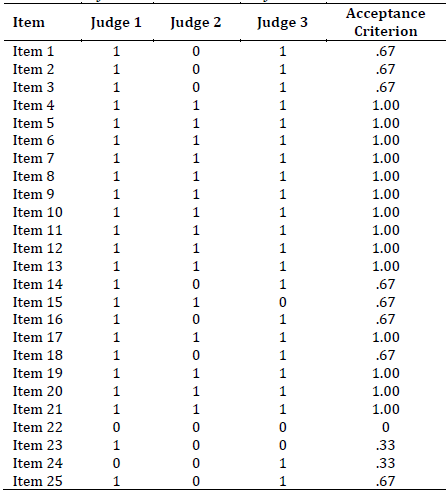
First, the results of the judges' validity for each item are reported. Table 1 shows the judges' responses, where 1 means that they accept the item and 0 means that they do not accept the item. Based on the results, items that are rated positively by at least two judges are accepted.
It can be seen that most items were accepted by all three judges. In addition, the Kappa coefficient was calculated for the interpretation of the judges' results, yielding a value of -.125, which is below the coefficient expected to indicate agreement among judges. The analysis is also complemented by Kendall's W coefficient (used for ordinal responses), which obtained a value of .248, indicating a small or slight agreement.
Three items were identified whose values were very low in the judges' ratings, so it was decided to eliminate them because they were not adequate or consistent with the construct being measured. Additionally, the last item (“The feedback my teacher provides tends to focus on the fact that students are not smart enough to get better grades in their course”) had the agreement of two of the judges; However, one of the judges made an important observation about the item: “I think the item here focuses on specific beliefs, which is outside the definition of the dimension provided.” Therefore, it was also decided to eliminate it.
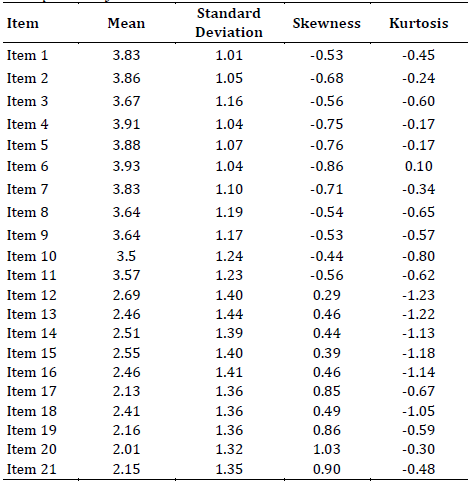
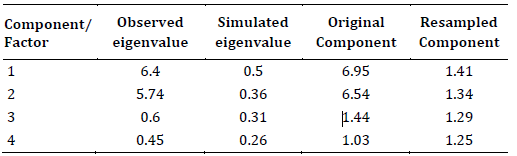
Table 2 presents the descriptive results of the 21 items. Multivariate normality was assessed using the Henze-Zirkler (HZ) test, which showed significant results (HZ = 3.65, p < .001), indicating that the data do not follow a multivariate normal distribution. According to the PCA results, Bartlett's sphericity test is significant (p < .001) and the KMO (0.93) is acceptable. To determine the optimal number of factors to retain, a parallel analysis was performed using 100 random simulations. A polychoric correlation matrix was used due to the ordinal nature of the items.
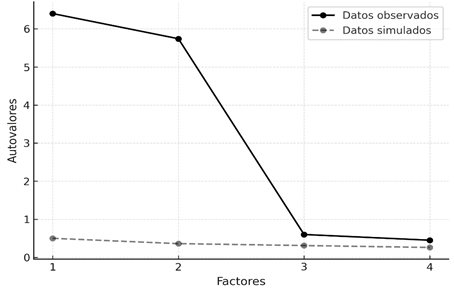
The results indicated that the first four real eigenvalues of the factors were greater than the corresponding randomly generated eigenvalues, suggesting the retention of four factors in the EFA (Table 3).
These findings were complemented by the sedimentation plot (Figure 1), which showed an inflection point after the third component. Based on these results and the theoretical consistency of the instrument, it was decided to proceed with the extraction of four factors. Although it is possible to use two factors, following the theory and proposed design, four factors are proposed. In addition, the indices of the four-factor model are reported: X2 = 378.173, df = 183, CFI = .964, TLI = .958, RMSEA = .059.
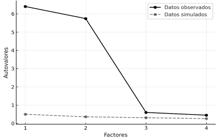
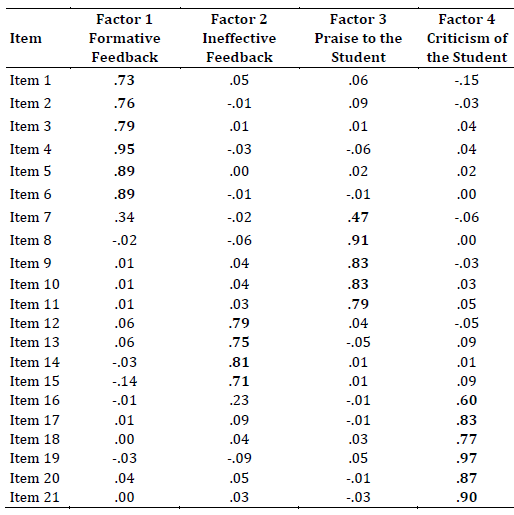
Table 4 reports the factor loadings of the EFA results according to the dimensions identified in the parallel analysis, using Oblimin rotation since the factors are correlated with each other. The results indicate that there are four dimensions, which correspond to the four dimensions initially hypothesized. Likewise, the items have factor loadings greater than .40, so all items in the instrument are retained.
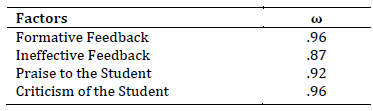
Finally, the internal consistency of the instrument's dimensions was analyzed. Table 5 shows the McDonald omega coefficients of internal consistency. All coefficients have adequate scores, so it can be said that the instrument is reliable.
Discussion
The objective of this research was to design and validate a psychometric instrument to measure student perceptions of teacher feedback in higher education. The results obtained are relevant to the theory used to design them.
Four items were eliminated by the judges due to two initial considerations. The first is that most of the judges rejected the item as part of the construct being measured. The second consideration stems from a criticism by one of the judges, who argued that the wording of the item did not allow it to be considered part of the construct being measured. This latter criticism is particularly severe, so it was decided to eliminate it.
The EFA reveals that four dimensions are recognized in the instrument, corroborating the presence of the dimensions hypothesized in the study. The items are adequately grouped into the hypothesized dimensions, with factor loadings above .40. This allowed all items to be considered part of the final factorial structure.
It is important to mention that, according to the results, two dimensions could be considered; however, this approach was not chosen for two reasons. The first is that the revised theory proposed a distinction of four dimensions, which allowed for a more detailed analysis of the construct.
Secondly, if the dimensions are analyzed conceptually, it could be argued-from the student's point of view-that these two dimensions could encompass all four final dimensions. This is because two of these dimensions refer to feedback from a negative perspective for the student (ineffective feedback and criticism of the student), while the other two dimensions focus on positive aspects (formative feedback and praise to the student). It might be worth exploring this delimitation for future research with the construct and corroborating the relevance of a two-dimensional instrument.
With regard to internal reliability, the consistency between the questionnaire items and the proposed dimensions was verified using McDonald's omega coefficient, which was greater than .87 in all dimensions (Hair, 1998; Hair et al., 2009; Ventura-León & Caycho-Rodríguez, 2017). This is similar to others teacher feedback scales that assess various aspects or types of feedback, such as task-level, process-level, self-regulation, or person-level feedback (Hattie & Timperley, 2007); reinforcement and punishment feedback, corrective feedback, and feedback with a high information content (Wisniewski et al., 2020); or verification feedback, direct feedback, scaffolding feedback, praise or criticism (Guo & Wei, 2019).
The relevance of this questionnaire lies in the fact that it is a necessary variable in educational research, especially when evaluating classroom learning dynamics and student or teacher performance. This is because this variable influences student satisfaction and self-concept, academic performance, and motivation to seek feedback within the course (Gan et al., 2021; Gentrup et al., 2020; Ma et al., 2022). In other words, it is considered an extremely important variable in the study of classroom climate and its impact on academic achievement. Furthermore, students themselves perceive feedback as a useful tool that facilitates motivation and self-regulation in the learning process (Gan et al., 2021; Guo & Wei, 2019; Zheng et al., 2023), including in a complementary way outside the classroom (Covarrubias & Piña, 2004).
Specifically, when feedback is directed toward the student, such as praise, the student can maintain a sense of self-efficacy because a figure of authority expresses positive beliefs about them (Bandura, 1997), which also influences academic performance. Thus, although praise, as feedback, is not a formal aspect of a curriculum, it is necessary to consider it as part of this construct as a practice that encourages respectful and kind dialogue (Pendolema et al., 2023). For this reason, Ye et al. (2023) suggest exploring teacher praise and criticism in the academic setting. Likewise, this instrument allows us to corroborate that students perceive or discern when the teacher evaluates and/or criticizes the content they present or themselves. Complementarily, it has been identified that, in some cases, regardless of the lack of specificity in the feedback, students can use it as a resource to improve their skills in class topics (Gentrup et al., 2020).
Regarding the limitations of this research, it should be noted that only the two most populous cities in Peru (Lima and Arequipa) were evaluated, which due to the characteristics of large cities, may not be representative of the reality in other cities in the country. Therefore, we encourage the use of this psychometric instrument in different contexts, not only in Peru, but also in other Spanish-speaking countries. It is important to consider that the feedback measured is that perceived by students, and not from the teachers' point of view.
Another limitation is that it was not possible to select more than three judges for content validity, which made it difficult to use Aiken's criterion. Despite this, a strict validity criterion was established, requiring total consensus or at least two of the three judges to approve the items, thus ensuring the relevance of the instrument. Although the Kappa index and Kendall's index were used, the levels of acceptance of the items were not the most appropriate. This also counts as a limitation.
Despite the limitations mentioned above, the teaching feedback scale is considered a convenient, valid, and reliable tool for measuring the perception of feedback in any academic setting involving formal education. This tool represents a crucial step forward in closing the gap between teachers' pedagogical intentions and the actual effect that feedback has on student learning.
The study provides a contextualized view of a phenomenon that has been predominantly addressed from Anglo-Saxon contexts or school-level approaches. By adapting the analysis to the Latin American university context, it broadens the understanding of how students interpret the feedback they receive, incorporating relevant dimensions such as formative feedback, ineffective feedback, praise, and criticism.
Finally, the results of this study can be used to strengthen teacher training, both initial and continuing, through processes of self-assessment and informed reflection on one's own feedback practices. Likewise, the instrument developed can serve as input for institutional improvement processes by providing evidence on the quality and type of feedback that student’s experience.
For future research, it is important to explore the relationship between student perceptions of feedback and relevant educational variables, such as motivation, academic performance, or self-regulated learning. An interesting line of research would be to compare student and teacher perceptions, which would allow for the mapping of possible communication gaps or divergences in feedback practices. Finally, it is recommended to conduct more in-depth qualitative studies that account for students' subjective experiences with the feedback they receive, thus providing a richer and more contextualized understanding of the phenomenon in different cultural contexts.
References
-
Aelterman, N., Vansteenkiste, M., Haerens, L., Soenens, B., Fontaine, J. R., & Reeve, J. (2019). Toward an integrative and fine-grained insight in motivating and demotivating teaching styles: The merits of a circumplex approach. Journal of Educational Psychology, 111(3), 497-521. https://doi.org/10.1037/edu0000293
» https://doi.org/10.1037/edu0000293 -
Altez, E. R. (2020). La Retroalimentación Formativa y la mejora de los aprendizajes en los estudiantes de la I.E. Nº 121 Virgen de Fátima-S.J.L. (Tesis de maestría). Universidad César Vallejo. https://hdl.handle.net/20.500.12692/46618
» https://hdl.handle.net/20.500.12692/46618 - Anijovich, R. (2018). Orientaciones para la Formación Docente y el Trabajo en el aula: Retroalimentación Formativa. Laboratorio de Investigación e Innovación en Educación para América Latina y el Caribe.
-
Ansari, T., & Usmani, A. (2018). Students perception towards feedback in clinical sciences in an outcome-based integrated curriculum. Pakistan Journal of Medicine Science, 34(3), 702-709. https://doi.org/10.12669/pjms.343.15021
» https://doi.org/10.12669/pjms.343.15021 - Bandura, A. (1997). Self-efficacy: The exercise of control. Times Books.
-
Bazán-Ramírez, A., Capa-Luque, W., Bello-Vidal, C., & Quispe-Morales, R. (2022). Influence of teaching and the teacher’s feedback perceived on the didactic performance of Peruvian postgraduate students attending virtual classes during the COVID-19 pandemic. Frontiers in Education, (7), 1-16. https://doi.org/10.3389/feduc.2022.818209
» https://doi.org/10.3389/feduc.2022.818209 -
Benson-Goldberg, S., & Erickson, K. (2021). Praise in education. Oxford Research Encyclopedia of Education. https://doi.org/10.1093/acrefore/9780190264093.013.1645
» https://doi.org/10.1093/acrefore/9780190264093.013.1645 -
Beriche Lezama, M. E., & Medina Zuta, P. (2021). Formative evaluation: implementation and main challenges present on schools or higher education. Educación, 27(2), 201-208. https://doi.org/10.33539/educacion.2021.v27n2.2433
» https://doi.org/10.33539/educacion.2021.v27n2.2433 -
Bizarro, W., Sucari, W., & Quispe-Coaquira, A. (2019). Evaluación formativa en el marco del enfoque por competencias. Revista InnovaEducación, 1(3), 374-390. https://doi.org/10.35622/j.rie.2019.03.r001
» https://doi.org/10.35622/j.rie.2019.03.r001 -
Boyco, A. (2019). La retroalimentación en el proceso de aprendizaje de las matemáticas de alumnas de 5to grado de primaria de un colegio privado de Lima (Tesis de Licenciatura). Pontificia Universidad Católica del Perú. http://hdl.handle.net/20.500.12404/14051
» http://hdl.handle.net/20.500.12404/14051 -
Brandmo, C., & Gamlem, S. M. (2025). Students’ perceptions and outcome of teacher feedback: a systematic review. Frontiers in Education, 10. https://doi.org/10.3389/feduc.2025.1572950
» https://doi.org/10.3389/feduc.2025.1572950 -
Brinko, K. (1993). The practice of giving feedback to improve teaching. The Journal of Higher Education, 64(5), 574-593. https://doi.org/10.1080/00221546.1993.11778449
» https://doi.org/10.1080/00221546.1993.11778449 -
Brophy, J. (1981). Teacher praise: A functional analysis. Review of Educational Research, 51(1), 5-32. https://doi.org/10.2307/1170249
» https://doi.org/10.2307/1170249 -
Burga, V. R., Ortega, M. Y., & Hernández, B. (2023). Retroalimentación formativa en el desempeño docente. Horizontes. Revista de Investigación en Ciencias de la Educación, 7(27), 99-112. https://doi.org/10.33996/revistahorizontes.v7i27.500
» https://doi.org/10.33996/revistahorizontes.v7i27.500 -
Calvo, T. (2018). La retroalimentación formativa y la comprensión lectora de la Institución Educativa N° 88024, Nuevo Chimbote-2018 (Tesis de maestría). Universidad Cesar Vallejo. https://hdl.handle.net/20.500.12692/36622
» https://hdl.handle.net/20.500.12692/36622 -
Carless, D., & Boud, D. (2018). The development of student feedback literacy: enabling uptake of feedback. Assessment & Evaluation in Higher Education, 43(8), 1315-1325. https://doi.org/10.1080/02602938.2018.1463354
» https://doi.org/10.1080/02602938.2018.1463354 -
Ceccarelli, J. F. (2014). Feedback en educación clínica. Revista Estomatológica Herediana, 24(2), 127-132. https://doi.org/10.20453/reh.v24i2.2134
» https://doi.org/10.20453/reh.v24i2.2134 - Clark, I. (2012). Formative assessment: Assessment is for self-regulated learning. Educational Psychology Review, 24(2), 205-249.
- Covarrubias, P., & Piña, M. M. (2004). La interacción maestro-alumno y su relación con el aprendizaje. Revista Latinoamericana de Estudios Educativos, 34(1), 47-84.
-
Criss, C. J., Konrad, M., Alber-Morgan, S. R. & Brock, M. (2024). A systematic review of goal setting and performance feedback to improve teacher practice. Journal of Behavioral Education, 33, 275-296. https://doi.org/10.1007/s10864-022-09494-1
» https://doi.org/10.1007/s10864-022-09494-1 -
Dawson, P., Henderson, M., Mahoney, P., Phillips, M., Ryan, T., Boud, D., & Molloy, E. (2019). What makes for effective feedback: staff and student perspectives. Assessment & Evaluation in Higher Education, 44(1), 25-36. https://doi.org/10.1080/02602938.2018.1467877
» https://doi.org/10.1080/02602938.2018.1467877 - Espinoza-Freire, E. E. (2021). Importancia de la retroalimentación formativa en el proceso de enseñanza-aprendizaje. Revista Universidad y Sociedad, 13(4), 389-397.
-
Gan, Z., An, Z., & Liu, F. (2021). Teacher feedback practices, student feedback motivation, and feedback behavior: how are they associated with learning outcomes? Frontiers in psychology, 12, 1-14. https://doi.org/10.3389/fpsyg.2021.697045
» https://doi.org/10.3389/fpsyg.2021.697045 -
Gentrup, S., Lorenz, G., Kristen, C., & Kogan, I. (2020). Self-fulfilling prophecies in the classroom: Teacher expectations, teacher feedback and student achievement. Learning and Instruction, 66, 1-17. https://doi.org/10.1016/j.learninstruc.2019.101296
» https://doi.org/10.1016/j.learninstruc.2019.101296 - Guo, W. (2017). The Relationships between Chinese Secondary Teachers' Feedback and Students' Self-Regulated Learning (Tesis de doctorado inédita). The Chinese University of Hong Kong.
-
Guo, W. (2020). Grade-level differences in teacher feedback and students’ self-regulated learning. Frontiers in Psychology, 11, 1-17. https://doi.org/10.3389/fpsyg.2020.00783
» https://doi.org/10.3389/fpsyg.2020.00783 -
Guo, W., & Wei, J. (2019). Teacher feedback and students’ self-regulated learning in mathematics: A study of Chinese secondary students. The Asia-Pacific Education Researcher, 28, 265-275. https://doi.org/10.3389/fpsyg.2021.679575
» https://doi.org/10.3389/fpsyg.2021.679575 -
Guo, W., Lau, K. L., & Wei, J. (2019). Teacher feedback and students’ self-regulated learning in mathematics: A comparison between a high-achieving and a low- achieving secondary schools. Studies in Educational Evaluation, 63, 48-58. https://doi.org/10.1016/j.stueduc.2019.07.001
» https://doi.org/10.1016/j.stueduc.2019.07.001 - Hair, J. F. (1998). Multivariate Data Analysis (5a ed.). Prentice Hall.
- Hair, J. F., Black, W. C., Babin, B. J., & Anderson, R. E. (2009). Multivariate Data Analysis (7a ed.). Prentice Hall.
-
Hattie, J., & Timperley, H. (2007). The power of feedback. Review of Educational Research, 77(1), 81-112. https://doi.org/10.3102/003465430298487
» https://doi.org/10.3102/003465430298487 - Hernández, I. Y., López, R. E., & Nieto, A. D. (2024). Hacia una cultura de retroalimentación efectiva en el aula: experiencias, resultados y análisis. Revista Electrónica ANFEI Digital, 11(16), 677-686.
-
Hyland, F., & Hyland, K. (2001). Sugaring the pill: Praise and criticism in written feedback. Journal of Second Language Writing, 10(3), 185-212. https://doi.org/10.1016/S1060- 3743(01)00038-8
» https://doi.org/10.1016/S1060- 3743(01)00038-8 - Ishaq, K., Rana, A. M. K., & Zin, N. A. M. (2020). Exploring summative assessment and effects: Primary to higher education. Bulletin of Education and Research, 42(3), 23-50.
-
Jenkins, L. N., Floress, M. T., & Reinke, W. (2015). Rates and types of teacher praise: A review and future directions. Psychology in the Schools, 52(5), 463-476. https://doi.org/10.1002/pits.21835
» https://doi.org/10.1002/pits.21835 -
Kalkbrenner, M. T. (2024). Choosing between Cronbach’s coefficient alpha, McDonald’s coefficient omega, and coefficient H: Confidence intervals and the advantages and drawbacks of interpretive guidelines. Measurement and Evaluation in Counseling and Development, 57(2), 93-105. https://doi.org/10.1080/07481756.2023.2283637
» https://doi.org/10.1080/07481756.2023.2283637 -
Lipnevich, A. A., & Panadero, E. (2021). A Review of Feedback Models and Theories: Descriptions, Definitions, and Conclusions. Frontiers in Education, 6. https://doi.org/10.3389/feduc.2021.720195
» https://doi.org/10.3389/feduc.2021.720195 -
Luna, M. L., Peralta, L. E., Gaona, M. del P., & Dávila, O. M. (2022). La retroalimentación reflexiva y logros de aprendizaje en educación básica: una revisión de la literatura. Ciencia Latina Revista Científica Multidisciplinar, 6(2), 3242-3261. https://doi.org/10.37811/cl_rcm.v6i2.2086
» https://doi.org/10.37811/cl_rcm.v6i2.2086 -
Ma, L., Xiao, L., & Hau, K. T. (2022). Teacher feedback, disciplinary climate, student self- concept, and reading achievement: A multilevel moderated mediation model. Learning and Instruction, 79, 1-12. https://doi.org/10.1016/j.learninstruc.2022.101602
» https://doi.org/10.1016/j.learninstruc.2022.101602 -
Ministerio de Educación . (2012). Marco del Buen Desempeño Docente. https://cdn.www.gob.pe/uploads/document/file/3425647/Marco%20del%20Buen%20Desempen%CC%83o%20Docente.pdf?v=1658161064
» https://cdn.www.gob.pe/uploads/document/file/3425647/Marco%20del%20Buen%20Desempen%CC%83o%20Docente.pdf?v=1658161064 -
Ministerio de Educación . (2016). Currículo Nacional de Educación Básica. https://www.minedu.gob.pe/curriculo/pdf/curriculo-nacional-de-la-educacion-basica.pdf
» https://www.minedu.gob.pe/curriculo/pdf/curriculo-nacional-de-la-educacion-basica.pdf -
Ministerio de Educación . (2025a). Evaluación del desempeño docente Nivel Primaria. https://evaluaciondocente.perueduca.pe/desempenoprimariatramo1/rubricas-de-observacion-de-aula/
» https://evaluaciondocente.perueduca.pe/desempenoprimariatramo1/rubricas-de-observacion-de-aula/ -
Ministerio de Educación . (2025b). Monitoreo de Prácticas Escolares 2024. https://repositorio.minedu.gob.pe/handle/20.500.12799/11564
» https://repositorio.minedu.gob.pe/handle/20.500.12799/11564 -
Moffat, T. K. (2011). Increasing the teacher rate of behaviour specific praise and its effect on a child with aggressive behaviour problems. Kairaranga, 12(1), 51-58. https://doi.org/10.54322/kairaranga.v12i1.152
» https://doi.org/10.54322/kairaranga.v12i1.152 - Mollo, M. E., & Deroncele, A. (2022). Integrate formative feedback model. Revista Universidad y Sociedad, 14(1), 391-401.
- Moreno, T. (2023). La retroalimentación de la evaluación formativa en educación superior. Revista Universidad y Sociedad, 15(2), 685-694.
-
Partin, T. C. M., Robertson, R. E., Maggin, D. M., Oliver, R. M., & Wehby, J. H. (2009). Using teacher praise and opportunities to respond to promote appropriate student behavior. Preventing School Failure: Alternative education for children and youth, 54(3), 172-178. https://doi.org/10.1080/10459880903493179
» https://doi.org/10.1080/10459880903493179 -
Pendolema, D. M., Barreto, X. M., Ochoa, N. G., Zambrano, B. A., & Zambrano, W. A. (2023). La retroalimentación docente en la evaluación del aprendizaje. South Florida Journal of Development, 4(9), 3457-3474. https://doi.org/10.46932/sfjdv4n9-009
» https://doi.org/10.46932/sfjdv4n9-009 -
Ramaprasad, A. (1983). On the definition of feedback. Behavioral Science, 28(1), 4-13. https://doi.org/10.1002/bs.3830280103
» https://doi.org/10.1002/bs.3830280103 -
Uchpas, J. L. (2020). La retroalimentación en el aprendizaje de los estudiantes de 6 de primaria de la IE 88240-Nuevo Chimbote, 2020 (Tesis de Maestría). Universidad César Vallejo. https://hdl.handle.net/20.500.12692/52111
» https://hdl.handle.net/20.500.12692/52111 - Ventura-León, J. L., & Caycho-Rodríguez, T. (2017). El coeficiente Omega: un método alternativo para la estimación de la confiabilidad. Revista Latinoamericana de Ciencias Sociales, Niñez y Juventud, 15(1), 625-627.
-
Wisniewski, B., Zierer, K., & Hattie, J. (2020). The power of feedback revisited: A meta- analysis of educational feedback research. Frontiers in Psychology, 10, 1-14. https://doi.org/10.3389/fpsyg.2019.03087
» https://doi.org/10.3389/fpsyg.2019.03087 -
Ye, X., Wang, Q., & Pan, Y. (2023). The impact of head teacher praise and criticism on adolescent non-cognitive skills: Evidence from China. Frontiers in Psychology, 13, 1-12. https://doi.org/10.3389/fpsyg.2022.1021032
» https://doi.org/10.3389/fpsyg.2022.1021032 -
Zheng, X., Luo, L., & Liu, C. (2023). Facilitating undergraduates’ online self-regulated learning: The role of teacher feedback. Asia-Pacific Education Researcher, 32, 805-816. https://doi.org/10.1007/s40299-022-00697-8
» https://doi.org/10.1007/s40299-022-00697-8