Description of a Clinical Case and Molecular Confirmation of Babesia vogeli in a Dog in Uruguay
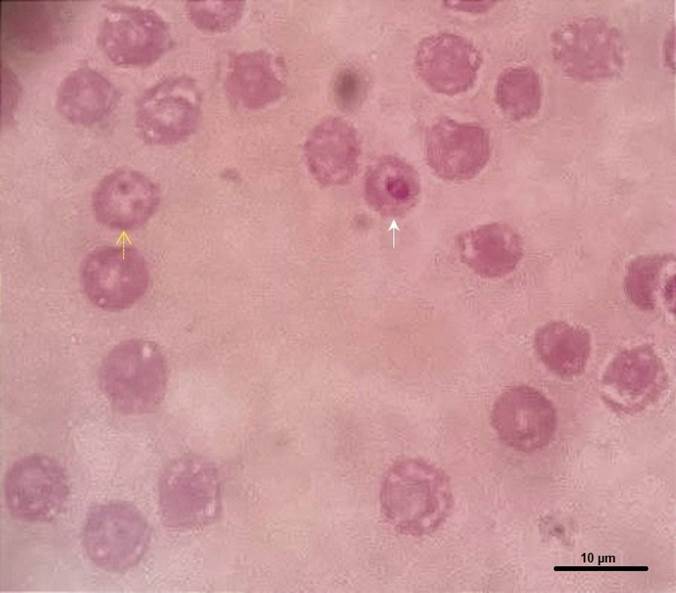
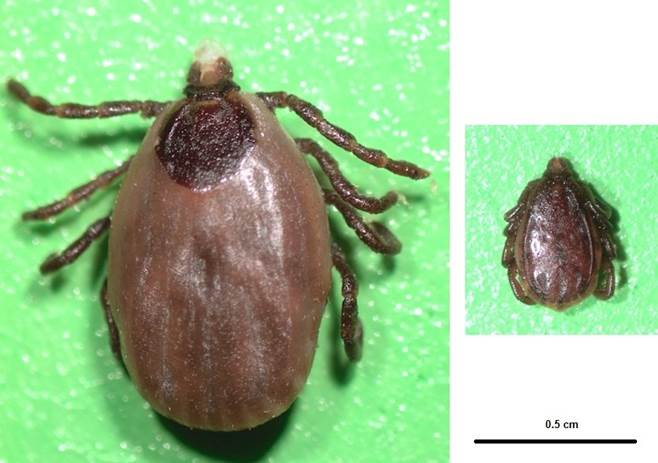
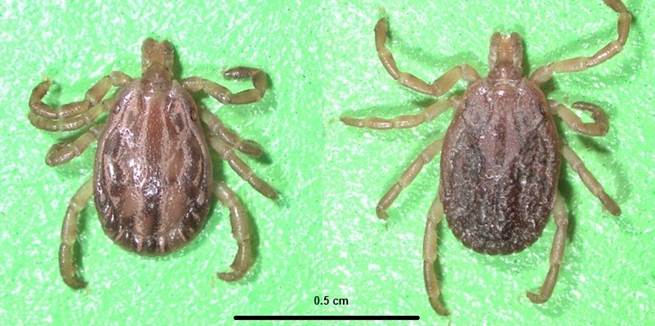
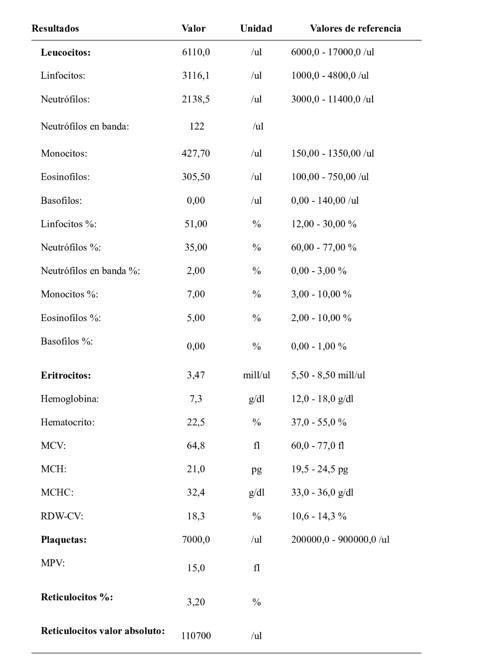
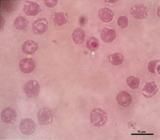
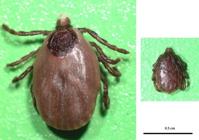
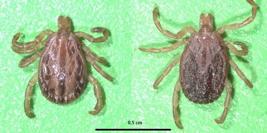
Babesia (Piroplasmida: Babesiidae) is a genus of protozoa that parasitizes the erythrocytes of various vertebrates, including dogs. The species Babesia vogeli, whose biological vector is Rhipicephalus sanguineus, the brown dog tick, can cause mild symptoms ranging from anemia and weakness in puppies to asymptomatic infections in adults. In Uruguay, there is only one molecular report confirming its presence. The aim of this study is to describe a clinical case of canine babesiosis and its molecular confirmation in a dog in Uruguay. In October 2023, a mixed-breed female dog, approximately 4 months old, was found wandering in a peripheral area of Montevideo city. The dog was in very poor condition, slightly depressed, and heavily infested with ticks. After a clinical examination of the dog, tick and blood samples were collected for blood biochemistry and molecular diagnosis. DNA was extracted from both the blood sample and the ticks. The presence of Babesia spp. DNA was confirmed by PCR only in the blood sample; the remaining tick samples tested negative. The resulting amplicons were sent for sequencing, confirming B. vogeli.
Keywords:
Canine babesiosis; Tick-borne disease; Dogs; Latin America
 Thumbnail
 Thumbnail
 Thumbnail
 Thumbnail