Evaluation of potential kidney damage associated with the use of phenobarbital and potassium bromide in epileptic canines using biomarkers predicting early damage
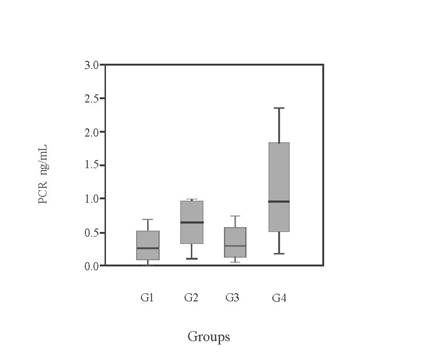
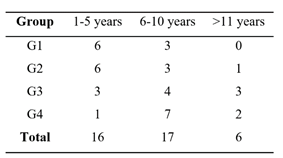
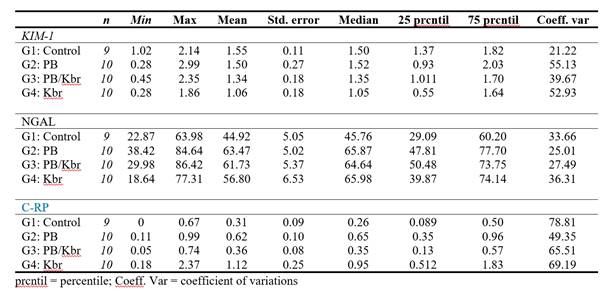
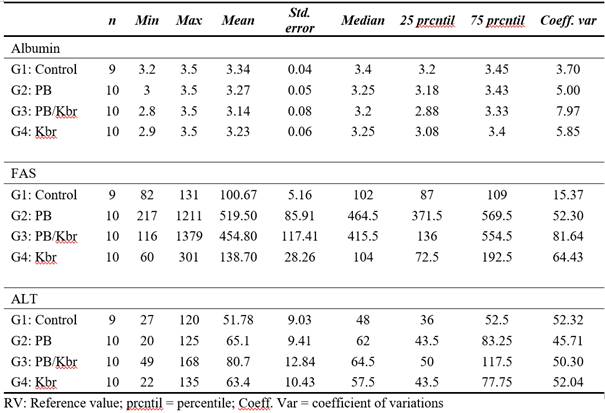
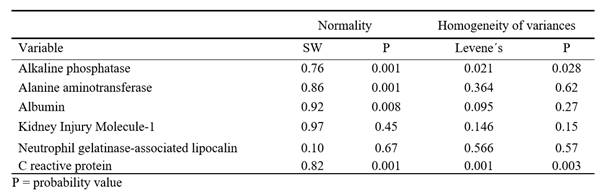
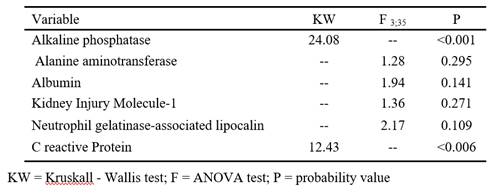
Epilepsy is a neurological disease present in a wide range of mammals, including humans and domestic canines and felines. The most commonly used pharmacological treatments for canines are phenobarbital and potassium bromide (KBr). However, both of these medications are partially eliminated through the kidneys, which could potentially cause damage at this level. Current diagnostic methods for kidney damage typically identify issues only at advanced stages, highlighting the need for early detection techniques. Thus, this study aims to evaluate early renal alterations in canines diagnosed with idiopathic epilepsy and treated with phenobarbital and/or KBr, using specific biomarkers such as kidney injury molecule 1 (KIM-1) and neutrophil gelatinase-associated lipocalin (NGAL), alongside non-specific biomarkers such as C-reactive protein (C-RP). Data from 39 canines treated at the Veterinary Hospital Centre (Udelar) and private clinics in Montevideo, Uruguay, were analysed. Subjects were categorised into two groups: a control group (healthy animals) and a group of subjects previously diagnosed with idiopathic epilepsy. The latter group was subdivided into three additional groups: one treated with phenobarbital, one treated with phenobarbital/KBr, and one treated with KBr alone. Laboratory results were evaluated for new biomarkers and conventional analytes. No alterations were found in laboratory tests for liver function, profiles, or urinalysis among the 30 canines subjected to the different treatments. Regarding specific biomarkers, no statistically significant differences (p > 0.05) were observed among the groups. However, alterations in C-RP were found in the group treated only with KBr. Under the conditions of the trial, no significant changes were detected in urinalysis or renal profiles associated with the administration of phenobarbital and/or potassium bromide in canines with idiopathic epilepsy.
Keywords:
Early diagnostic methods; New kidney biomarkers; Antiepileptic treatments.
 Thumbnail