Associated factors of acute kidney injury in covid-19 patients from a hospital in Lambayeque, Peru
Introduction: Acute kidney injury (AKI) is one of the most frequent complications in hospitalized patients with COVID-19 and a common cause of death. The aim of this study was to identify sociodemographic, clinical, and complication factors associated with AKI in COVID-19 patients treated at a public hospital in Lambayeque, Peru, from March 2020 to January 2022.
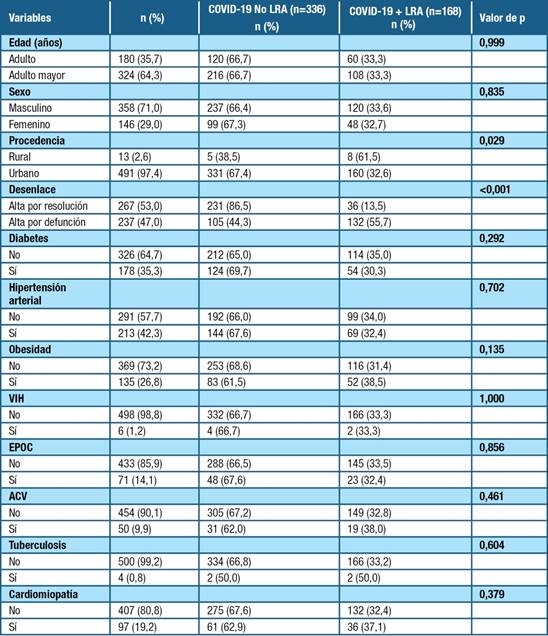
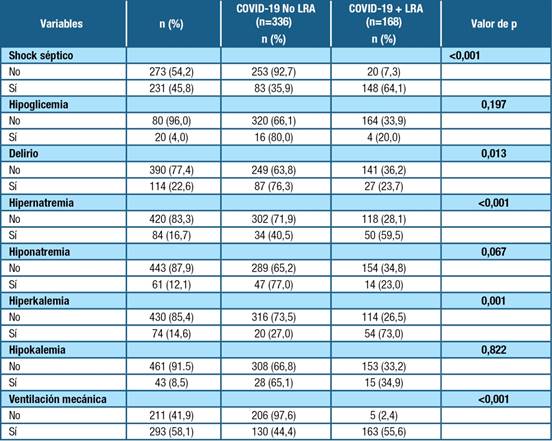
Metodology: This was an observational case-control study. We analyzed 168 cases of AKI and 366 controls, matched by age and sex. Variables such as place of origin, diabetes, hypertension, obesity, human immunodeficiency virus, chronic obstructive pulmonary disease, stroke, tuberculosis, cardiomyopathy, septic shock, hypoglycemia, delirium, hypernatremia, hyperkalemia, mechanical ventilation, and renal dialysis were collected through documentary analysis of medical records.
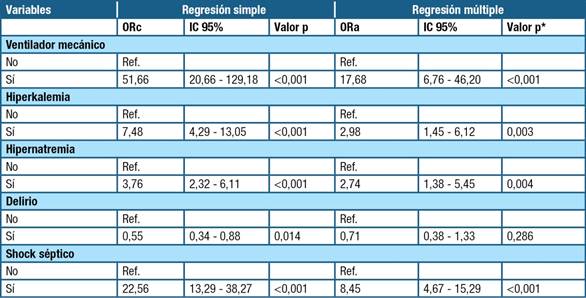
Results: The study sample was predominantly older adults (64.3%), male (70.8%), and from urban areas (96.8%). Factors associated with a higher likelihood of AKI were mechanical ventilation (ORa=17.68; p<0.001), septic shock (ORa=8.45; p<0.001), hyperkalemia (ORa=2.98; p=0.003), and hypernatremia (ORa=2.74; p=0.004).
Conclusions: Factors associated with a higher risk of AKI in COVID-19 patients in the study population were septic shock, hypernatremia, hyperkalemia, and mechanical ventilation. A discrepancy was noted between observed electrolyte disturbances and those reported in the literature, suggesting the need for individualized evaluation of each patient.
Key words:
renal failure; type 2 diabetes mellitus; hypertension; obesity; chronic obstructive pulmonary disease (Source: MeSH-NLM)