Antidiabetics in Heart Failure
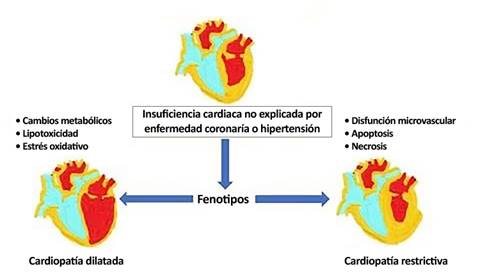
Introduction: Heart failure is recognized as a systemic disease, thus a holistic approach that is not exclusively focused on heart failure should be used. Heart failure is associated with multiple comorbidities, being diabetes mellitus one of the most frequent. These share pathophysiological processes with a bidirectional behavior, where the poor evolution of one can affect the other. Therefore, when considering the pharmacological treatment of one of them, it must be taken into account that it should not be detrimental to the other. In recent years, any antidiabetic treatment is required to have either a beneficial or a neutral effect at the cardiovascular level. This fact is the constant clinical challenge that physicians have to deal with when treating these patients. The objective of this review is to refine the best available evidence on the use of antidiabetic agents in patients with heart failure.
Methods: A systematic review of the main observational studies, clinical trials, reviews and meta-analysis published on the use of antidiabetics agents and cardiovascular effect was carried out until December 2020, using Pubmed and ScienceDirect databases.
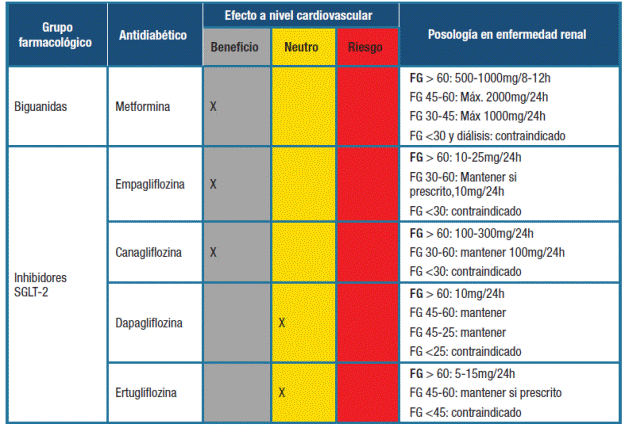
Conclusions: From the review carried out, it can be concluded that the first-line drug for patients with diabetes and heart failure is metformin. This first link is shared with iSGLT2 (Empagliflozin, Canagliflozin and Dapagliflozin), according to the latest available evidence, which have been proven to be effective in reducing hospitalizations for heart failure among patients with or without diabetes and cardiovascular death. Recent studies also extend benefits to patients who are also associated with chronic kidney disease.
Key words:
antidiabetic drugs; diabetes; heart failure; iSGLT2; cardiovascular
 Thumbnail