Use of empagliflozin in type 2 diabetic patients with heart failure
Introduction: Heart failure is a pathology with high prevalence and morbidity and mortality. Among the therapeutic strategies, addressing comorbidities should be considered, including type 2 diabetes mellitus. Patients with associated heart failure have a 75% higher risk of hospitalization and mortality. The Food and Drug Administration has emphasized since 2008 that all new hypoglycemic agents must have a beneficial or at least neutral effect at the cardiovascular level. Several studies have shown that sodium-glucose cotransporter 2 inhibitors (empagliflozin, canagliflozin, and dapagliflozin) meet these requirements. The objective of this work is to describe the "real life" experience of empagliflozin in patients with type 2 diabetes mellitus and heart failure with reduced ejection fraction.
Methodology: A prospective, longitudinal study was carried out between July 2019 and April 2021 in a Multidisciplinary Heart Failure Unit.
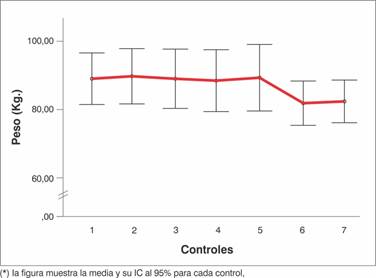
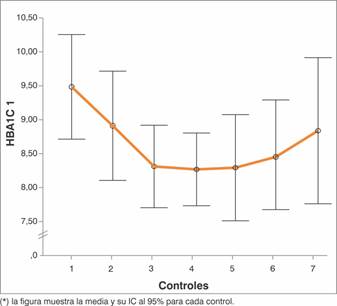
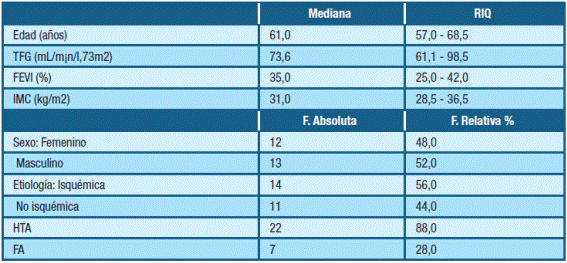
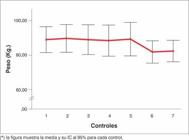
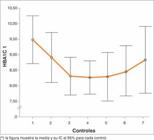
Results: Twenty-five patients (13 men) with a mean age of 61 years were included. The target dose of empagliflozin was achieved in 95% of patients. A decrease in weight, glycosylated hemoglobin and fasting blood glucose was observed.
Conclusions: Empagliflozin presented good tolerability, with beneficial effects at the cardiovascular level and minimal adverse effects.
Key words:
type 2 diabetes mellitus; heart failure; sodium-glucose cotransporter type 2 inhibitors
 Thumbnail
 Thumbnail
 Thumbnail
 Thumbnail
 Thumbnail