Oropouche Virus: A narrative review from its molecular structure to current treatment and prevention strategies
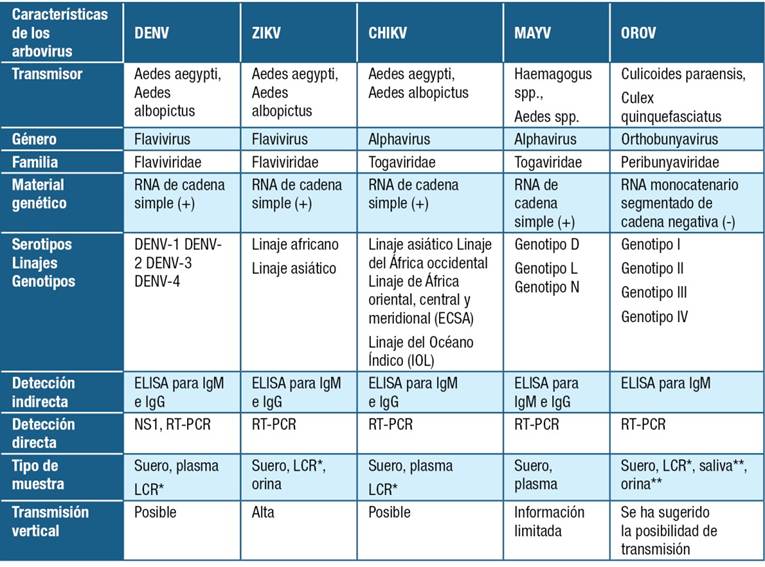
Oropouche virus (OROV) is an emerging arbovirus of the Peribunyaviridae family, causes oropouche fever, an acute disease with epidemic potential in urban and rural areas of tropical regions, primarily in South America. This study was conducted as a narrative literature review, analyzing 207 scientific articles and selecting 50 that met the inclusion criteria. The search was conducted in english and spanish in databases such as PubMed, SciELO, Google Scholar, Dialnet, and Scopus, using keywords, Boolean operators, and filters to prioritize publications from the last 10 years. Additionally, references on other important arboviruses for the region were included in order to establish comparisons of relevant aspects. The review covers key aspects of OROV, including its structure, transmission, immunopathology, epidemiology, diagnosis, treatment, prevention, and environmental impact. OROV has a segmented RNA genome that favors its genetic variability and adaptation. Its main vector is Culicoides paraensis, although other vectors and reservoirs have been identified. Clinically, it manifests with fever, headache, myalgia, and, in rare cases, neurological involvement. Its spread is associated with urbanization, deforestation, and climate change. Currently, there are no specific antivirals or vaccines, so vector control and personal protection are the main preventive measures.
Keywords:
Oropouche virus; OROV; arbovirus; immunopathology; molecular diagnosis