Multi-organ failure in patients with human immunodeficiency virus, when to think about Hemophagocytic Syndrome ?. About two clinical cases.
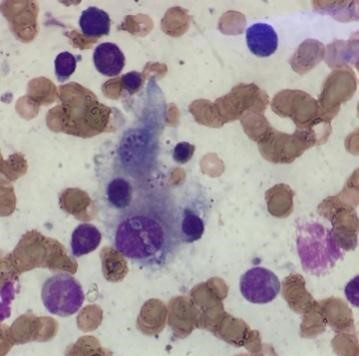
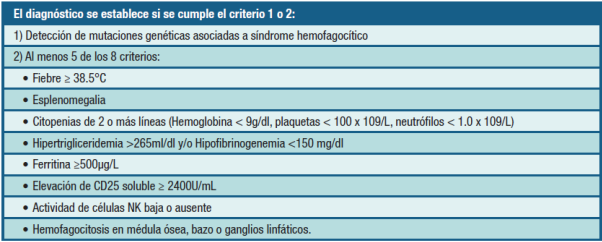
The hemophagocytic syndrome is an infrequent and fatal disease. The concept of hemophagocytosis describes the presence of activated macrophages that incorporate within their cytoplasms erythrocytes, leukocytes and platelets. When it occurs in the context of an exaggerated and inefficient immune response, it is called hemophagocytic syndrome. It is classified in primary when it is associated with genetic alterations generally hereditary, and secondary, more frequent in adults, when it is triggered by a disease or an underlying condition. The diagnosis requires a high grade of suspicion and is based on established diagnostic criteria, being sepsis the main differential diagnosis. We present two cases of young men with advanced infection by the human immunodeficiency virus, who developed fever and multiorgan failure, arriving at the diagnosis of secondary hemophagocytic syndrome.
Key words:
Hemophagocytic syndrome; Hemophagocytic lymphohistiocytosis; Macrophages; Sepsis; HIV
 Thumbnail