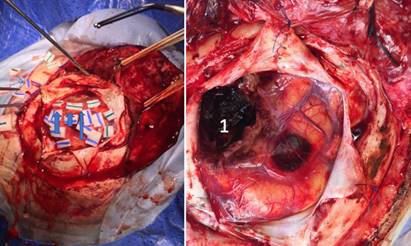
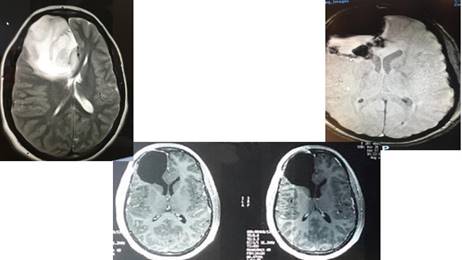
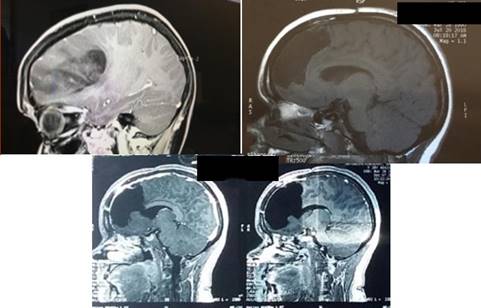
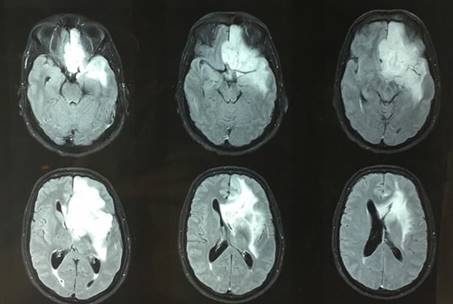
Surgery with operative awakening for expansive brain processes. Report of 20 cases.
Introduction: Expansive brain injury surgery with awake patients is a technique that is being used more and more frequently. This is because it is a cost-effective technique for performing brain tumor resection widely and safely.
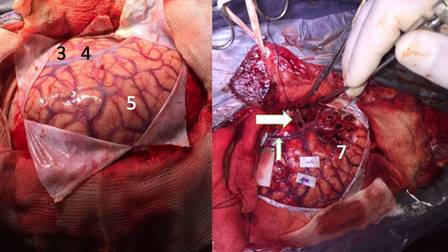
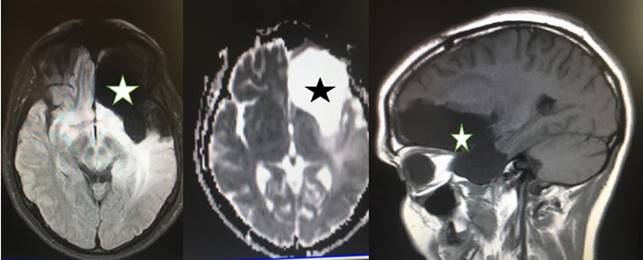
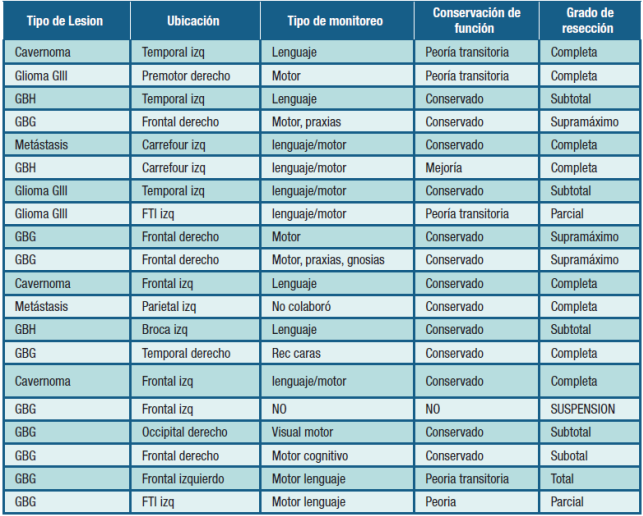
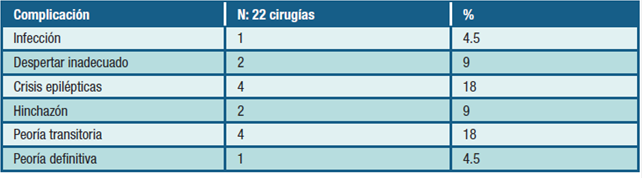
Outcome: Twenty patients operated with this technique are presented. There were 13 men and 7 women, age range 16 - 67 years, carriers of 17 tumor lesions and 3 vascular lesions (cavernous angiomas). 22 surgeries were performed since two patients underwent surgery twice. Supra-maximal resection was achieved in 3 cases, complete in 9, subtotal in 5, and partial in 2 patients. One patient could not be operated on due to inadequate awakening and the procedure was suspended. Regarding complications, 18% of the patients presented intra-operative seizures, but they did not prevent the normal development of the procedure after the crisis was jugulated. Two patients (9% of the procedures) had inadequate awakening. In one case the lesion was completely resected anyway, in the other the procedure was suspended. 18% of the patients presented a transitory functional deterioration and 4.5% presented a definitive worsening (severe paresis). Only one patient (4.5%) had a flap infection that required removal of the bone plate and placement of a delayed acrylic plate.
Conclusions: The figures presented by the authors are in accordance with those of the regional and international reference centers.
Key words:
Cerebral glioma; metastasis; surgery with operative awakening; neurophysiological monitoring
 Thumbnail
 Thumbnail
 Thumbnail
 Thumbnail
 Thumbnail
 Thumbnail
 Thumbnail
 Thumbnail
 Thumbnail
 Thumbnail