The application of medical knowledge. Hypertension and cognitive impairment
Introduction: High blood pressure (HBP) is the leading cause of death from cardiovascular disease. Despite the advances, the percentage of undiagnosed and untreated hypertensive patients is 58.4%. The evaluation of cognitive damage in HBP focuses on preventing stroke, while functional damage is ignored. This inadequate management may be multifactorial. The objective was to analyze the opinions that doctors have about the relationship between high blood pressure and cognitive damage.
Methodology: Observational, descriptive, cross-sectional study developed in the period between August 2020 and August 2023. Analysis of data obtained from a self-administered, anonymous and voluntary questionnaire. Revealing information on the professional profile, knowledge of HBP, its link with cognitive impairment (CD), diagnosis and treatment.
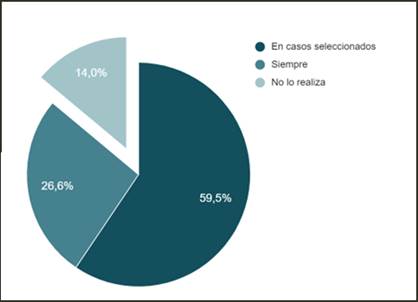
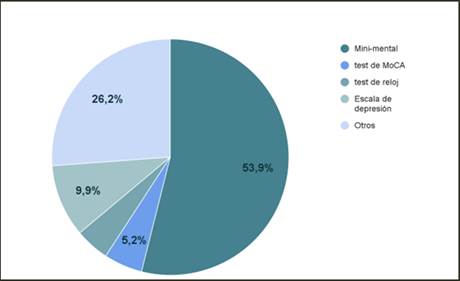
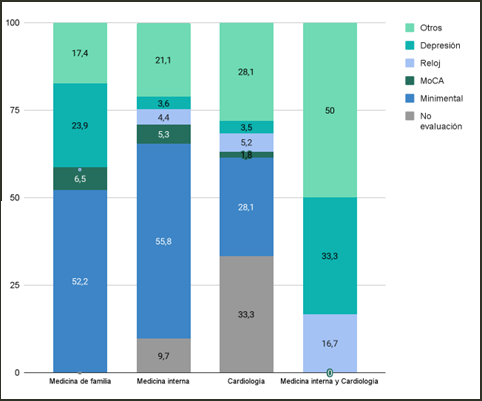
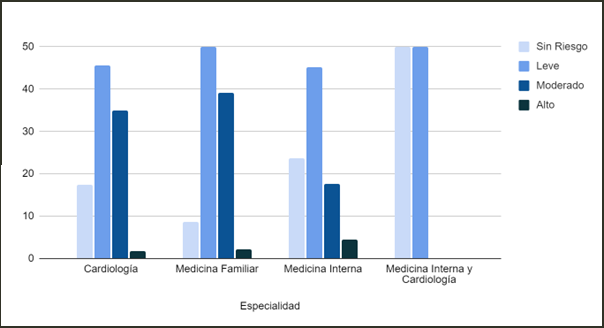
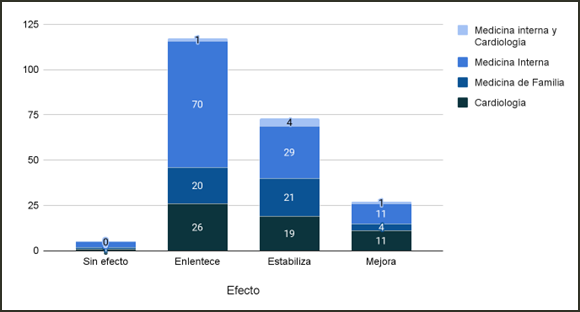
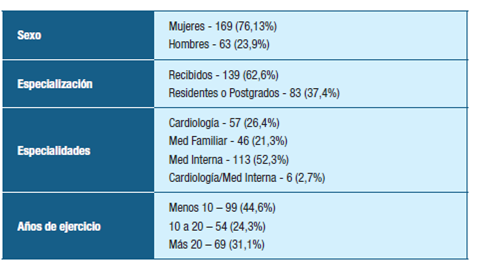
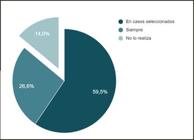
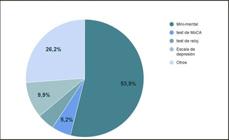
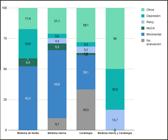
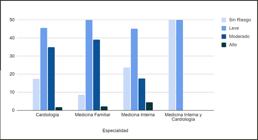
Results: 222 professionals were included, 215 (96.8%) agree with the existence of a link between HBP and other cardiovascular risk factors in CD, and 218 (98.1%) acknowledge assisting patients at risk of suffering from CD. The CD evaluation is carried out in selected cases by 132 (59.4%) participants and 59 (26.7%) always do it. Of those who perform evaluation, 103 (54%) use the Mini Mental State Examination (MMSE), 10 (5.2%) use the Montreal Cognitive Assessment (MoCA) and 9 (4.7%) use the Clock Drawing Test. Regarding the decrease in blood pressure in elderly patients and the link with risk of CD: 54 (24.3%) do not recognize risk and 65 (29.2%) recognize a moderate-high risk. In reference to the implication of the treatment of cardiovascular disease and CD: 217 (97.7%) recognized a beneficial effect.
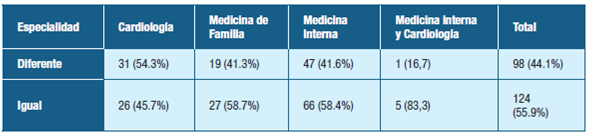
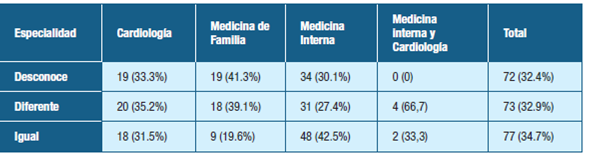
Discussion: Given the recognition of the link between HBP and CD, it would be expected that CD would be investigated in the vast majority, however only 26.7% always evaluate it. There is no consensus on the method, the MMSE being the most used, with a low application of the MoCA test and/or Clock Drawing Test, the latter being the ones that evaluate executive function, mostly altered in CD linked to HBP. Although the treatment of cardiovascular disease is recognized as beneficial with respect to CD, the control of HBP in older adults is considered risky. A diagnosis is made of a situation where a disparity is evident between what one recognizes as knowing and what one claims to do.
Conclusions: The role of vascular disease in functional brain damage is recognized, considering it necessary to know the cognitive status of patients, however there is a low application of screening tests that evaluate executive function. In this context, a gap between medical knowledge and practice is shown.
Key words:
Hypertension; Cognitive Dysfunction; Cognitive Assessment Screening Instrument; Professional Practice; Physicians
 Thumbnail
 Thumbnail
 Thumbnail
 Thumbnail
 Thumbnail