Insulin resistance in a population with type 1 diabetes mellitus as a marker of double diabetes.
Introduction: Diabetes Mellitus (DM) is a highly prevalent disease worldwide and in Spain. Double Diabetes (DD) defines a group of patients with characteristics of type 1 DM (T1DM) and a genetic and phenotypic predisposition for type 2 DM (T2DM) and insulin resistance (IR). It is associated with a higher prevalence of microangiopathic complications of DM, cardiovascular disease, and higher mortality. IR can be estimated in clinical practice using the estimated glucose disposal rate (eGDR).
Methodology: This was a descriptive, observational, cross-sectional study aimed at determining the prevalence of DD in a population with T1DM and its relationship with clinical and paraclinical variables.
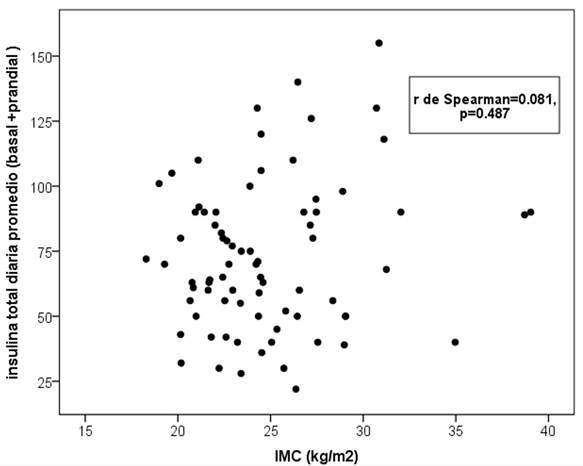
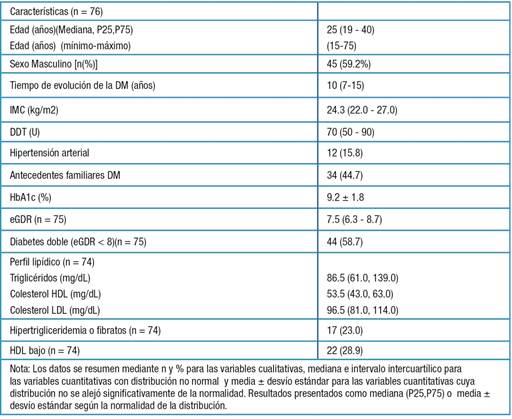
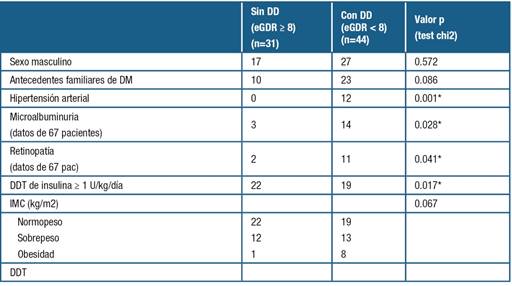
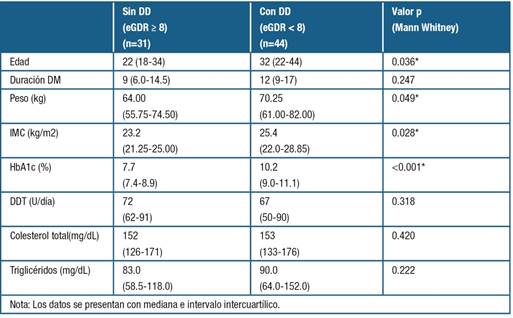
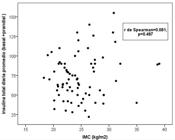
Results: Of the 76 patients enrolled, 45 (59.2%) were men, with a median age of 25 (19-40) years, and an average DM onset of 10 years (7-15). 32.9% were obese, and 11.8% were overweight. The mean glycated hemoglobin (HbA1c) was 9.2 ± 1.8. Retinopathy was present in 19.1% of patients, and the albuminuria/creatinuria ratio was abnormal in 25%. DD was found in 58.7% of patients; this was significantly associated with age, as well as with the presence of hypertension, HbA1c, and body mass index.
Discussion: The prevalence of DD is similar to other international studies; these are older patients with a greater number of microangiopathic repercussions.
Conclusions: Identifying this population is essential for aggressive interventions to control cardiovascular risk factors and for interventions to improve glycemic control.
Key words:
diabetes mellitus; double diabetes; insulin resistance; estimated glucose uptake rate
 Thumbnail