Characterization of Guillain-Barre Syndrome in Intensive Care Units between 1996 - 2017
Introduction: Guillain-Barré Syndrome is an acute, inflammatory, afebrile, monophasic, immunologically based demyelinating polyradiculoneuropathy that occurs at any age and is potentially reversible. The objective of this research is to describe the clinical behavior of Guillain-Barré Syndrome in Intensive Care Units in institutions in Havana between 1996-2017.
Methods: An observational, descriptive, cross-sectional and retrospective study was conducted in Intensive Care Units in Institutions in Havana between 1996-2017. The universe consisted of 124 patients admitted to intensive care units who met the inclusion criteria.
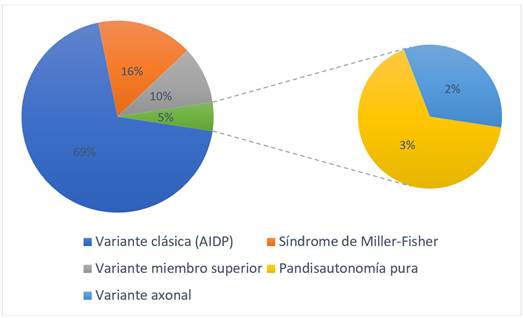
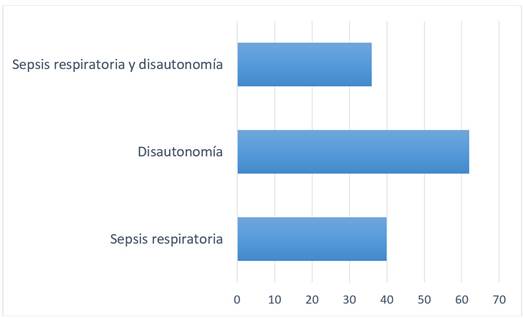
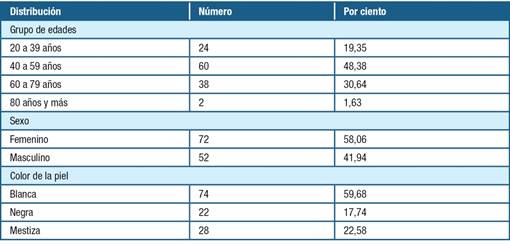
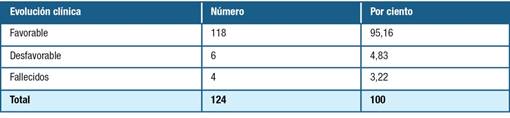
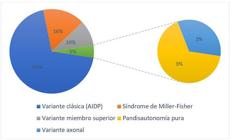
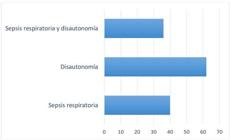
Results: Patients between 40 and 59 years of age (48.38%) were predominantly female, white-skinned, and had a history of respiratory infections, which were reported by 50% of the patients. The most frequent form of presentation was the classic variant in 69.35% of the patients. Complications were dysautonomia in 24.19% and respiratory sepsis in 32.26%. The clinical evolution was favorable in 95.16% of the cases and all received treatment with immunoglobulins (Intacglobin).
Conclusions: The findings of the age and gender variables coincided with the typical characteristics of the disease. The etiology and clinical form of presentation also had a similar behavior to the demographic parameters, which did not occur with the most frequent type of complication. However, the patients evolved favorably, due to the appropriate treatment used.
Key words:
Guillain-Barre syndrome; acute inflammatory demyelinating polyradiculoneuropathy; Miller Fisher; Intacglobin
 Thumbnail
 Thumbnail