Renal infarction: systematic review of symptoms of clinical suspicion and repercussion on renal function
Introduction: Renal infarction is a rare entity and is under-diagnosed, so a high index of clinical suspicion is needed for its diagnosis.
Objective: To determine the most frequent clinical and paraclinical characteristics in renal infarction, highlighting the impact on renal function.
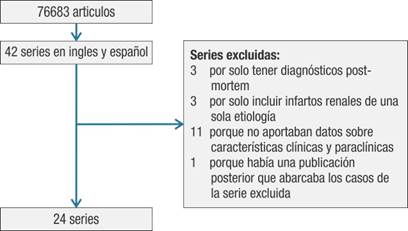
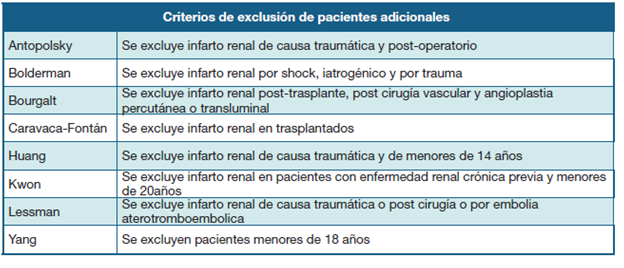
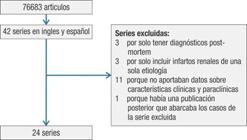
Methodology: A systematic review of a series of cases was carried out in PUBMED and SciELO with the terms: "renal infarction" and "renal infarct". Variables were studied: demographic, clinical and paraclinical. In the case of paraclinical variables, the percentage of patients with high values of each of them was analyzed. The statistical analysis was performed with EPI INFO 7. 2.
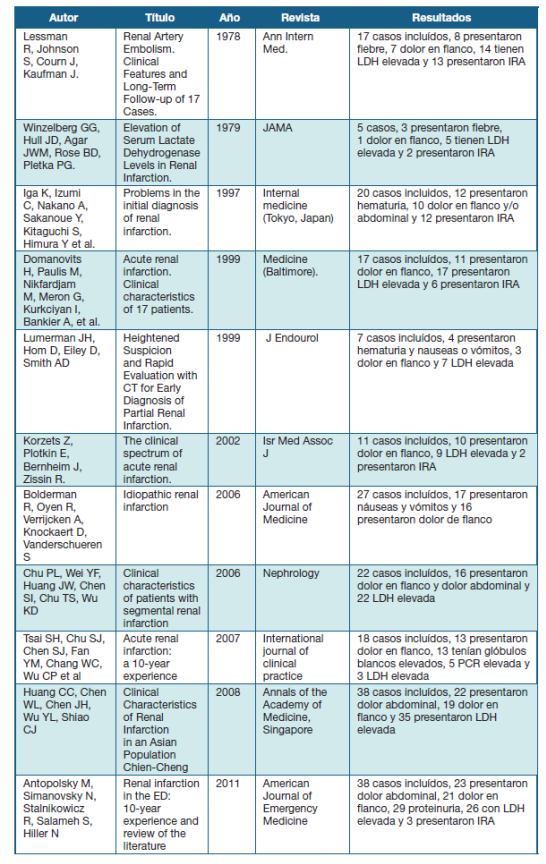
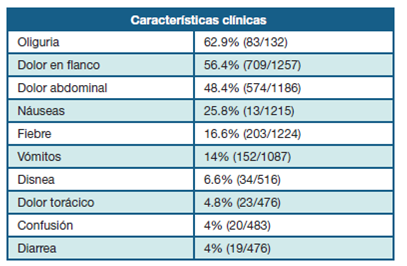
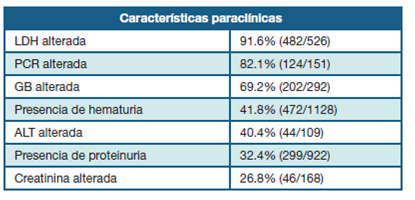
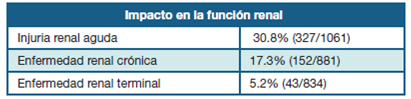
Results: The most frequent symptoms and signs were oliguria, flank and abdominal pain, nausea, fever and vomiting. Paraclinical parameters altered were: LDH, CRP and white blood cells. Acute renal injury was found in 30.8% of patients, progression to chronic kidney disease was observed in 17.3% and progression to end-stage renal disease was observed in 5.2% of patients.
Discussion and conclusions: The determination of the most frequent clinical and paraclinical characteristics of renal infarction can be used to reduce the diagnostic delay, which has therapeutic consequences.
Key words:
Renal infarction; flank pain; LDH; renal injury
 Thumbnail