Subjectivity in the political language of president Mujica: the construction of his narrative
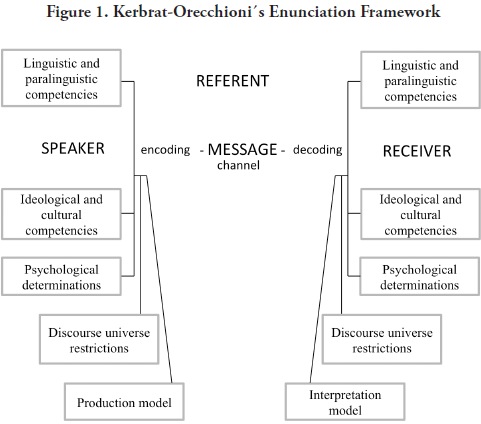
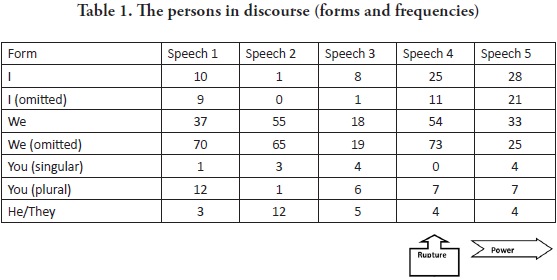
This is a case study on the political discourse of former Uruguayan president José Mujica, which explores his discursive coherence and construction of power. French linguist Catherine Kerbrat-Orecchioni’s Enunciation Theory was applied to five key speeches delivered between 1985 and 2011. A theoretical framework was developed combining two other theories to reinforce Enunciation Theory,which was insufficient to analyze the social inscriptions of discourse: the semiotic analysis of political discourse developed by Eliseo Verón and the concept of government myth developed bypolitical scientist Mario Riorda. The findings indicate a relationship between narrative and the construction of power, and justify the use of the case study method for the analysis ofother political discourse corpora
enunciation theory; political discourse; discourse analysis; government myth; subjectivity; discursive strategy
 Thumbnail