Democracy and Reforms in Uruguay: A Perverse Case of Gradual Change
Abstract
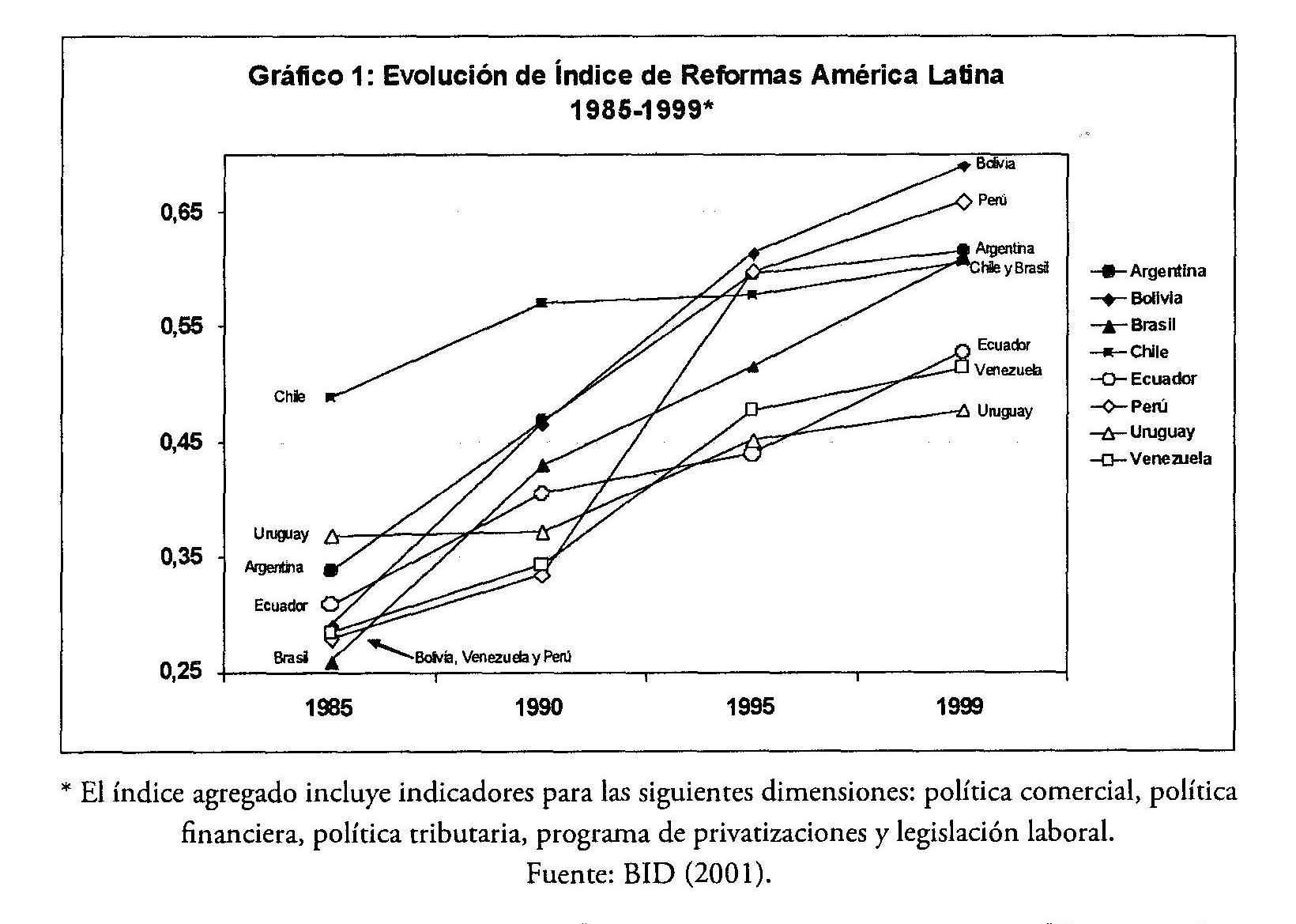
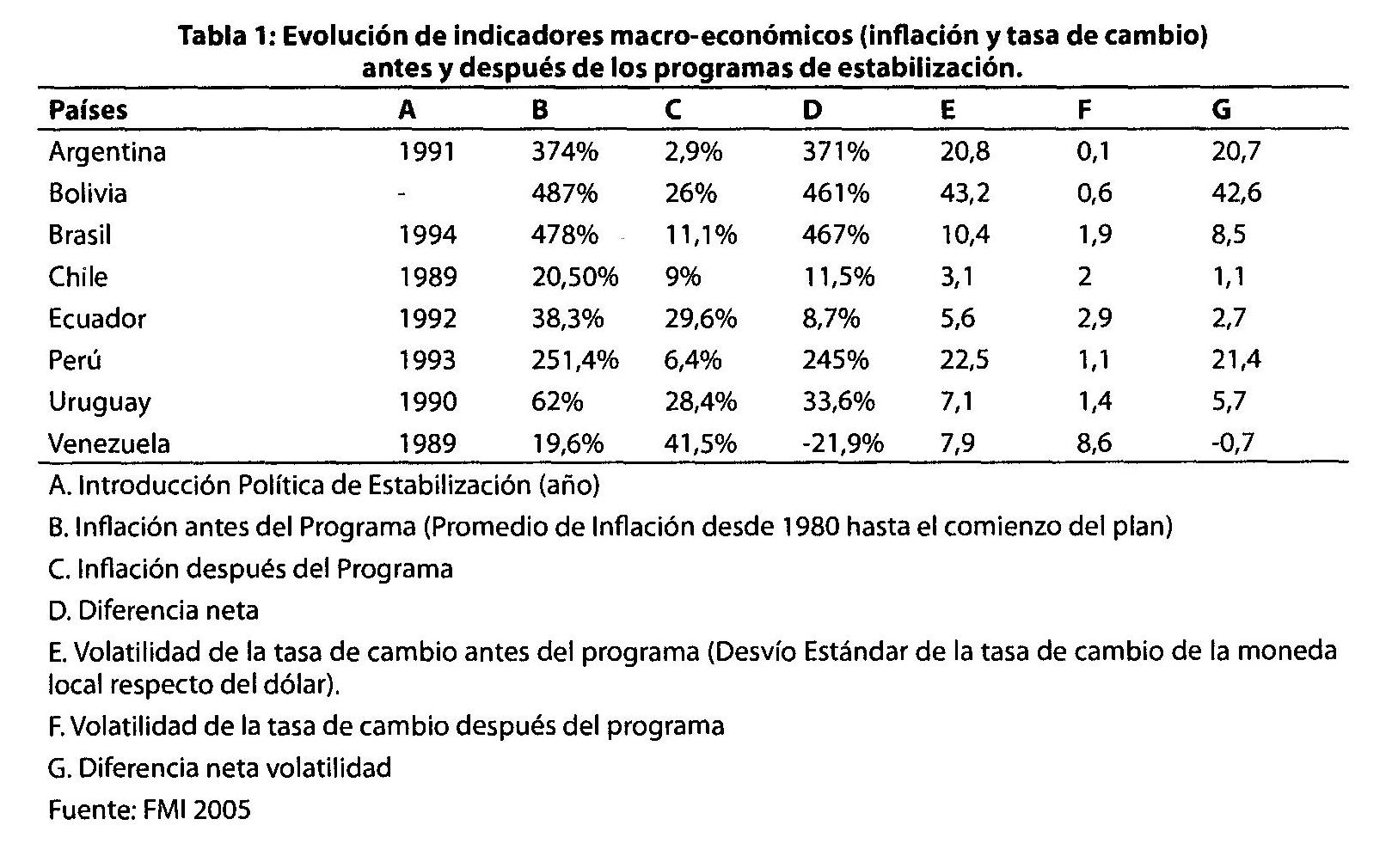
This paper analyses the Uruguayan development model trajectory during the nineties. Uruguay embarked on the structural reforms promoted by the neoliberal model in an eclectic and gradual way. First, I state that even though the reforms implementing process can be considered as gradual, it did not follow a virtuous pattern, considering the reforms from two key dimensions: its sustainability and equalitarianism. The combination of institutionalized party systems, dual patterns of representation and clientelistic linkages between political parties and corporatist social groups explain these perverse patterns of reform. Second, I suggest that the study of the Uruguayan case can offer new hypotheses for evaluating and studying reforms processes in different socio-political matrices.
Patterns Reform; Party Systems, Incorporation Legacy; Political Representation
 Thumbnail