The historical diffusion, development, and durability of democratic institutions in Latin America, nineteenth to twenty‐first century
Abstract
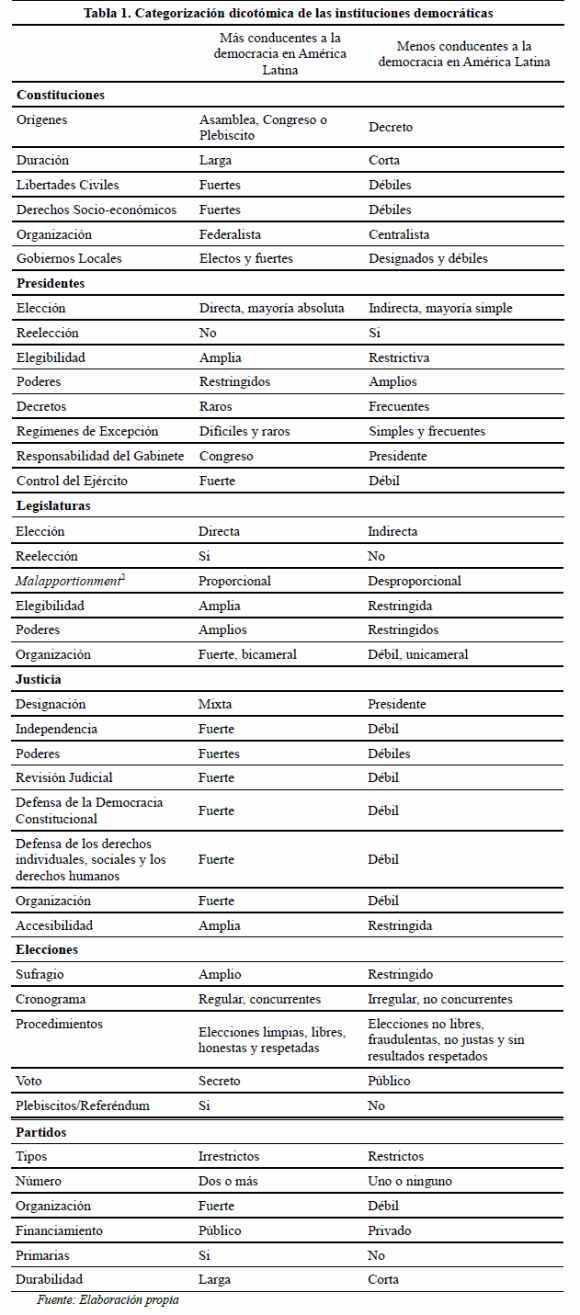
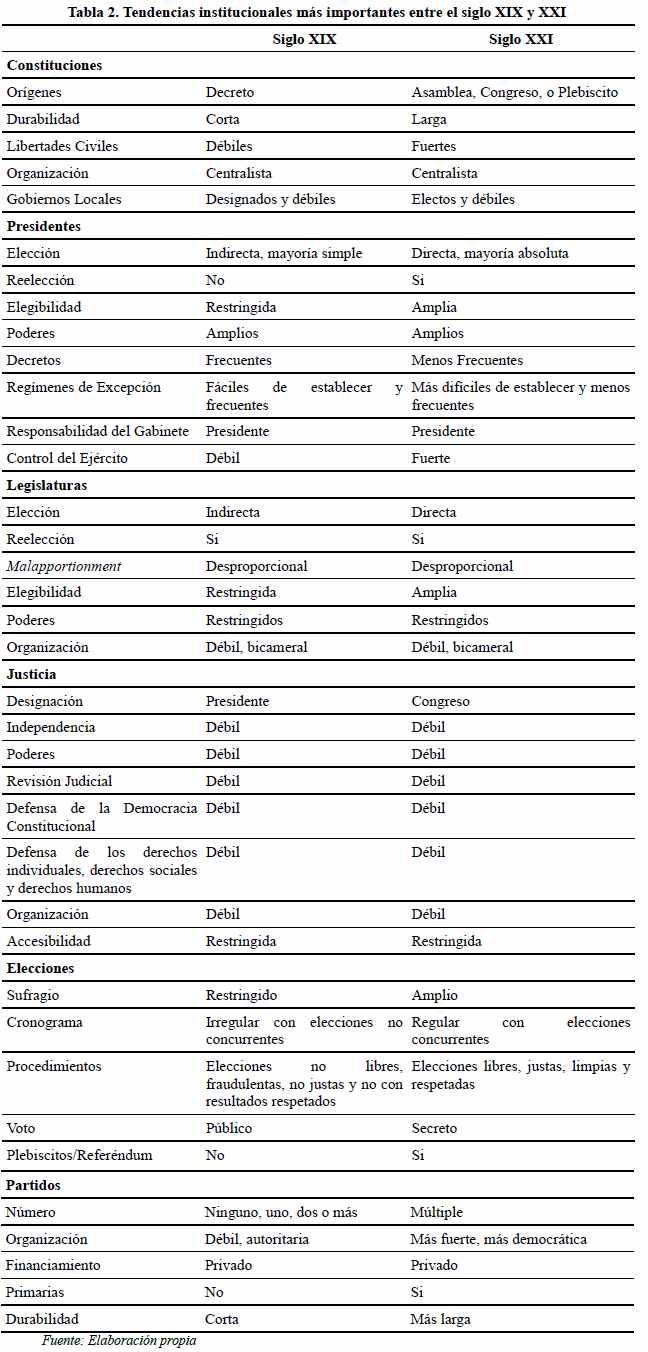
Although Latin America’s democratic institutions have alternated frequently with authoritarian regimes, their basic features have persisted for two hundred years. Many of their foundational characteristics adjusted foreign models to local conditions, which partly accounts for their durability. From the early 1800s to the early 2000s, most Latin American political institutions exhibited unstable and often unenforceable constitutions, extreme centralism, hyperpresidentialism, lackluster legislatures, conservative and ineffective judiciaries, contentious elections, and ephemeral political parties. Institutional facets and defects can explain some important initial and continuing shortcomings of these democracies.
democracy, institutions, constitutions