Electoral coordination and double simultaneous vote in the subnational level of Uruguay (1971-2020)
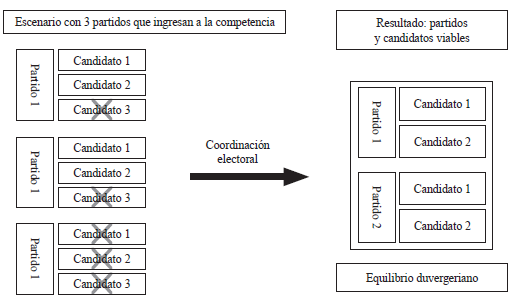
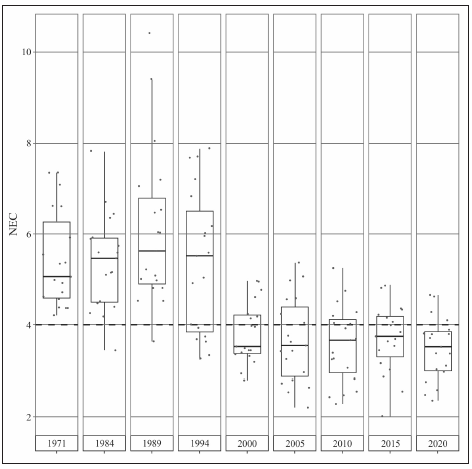
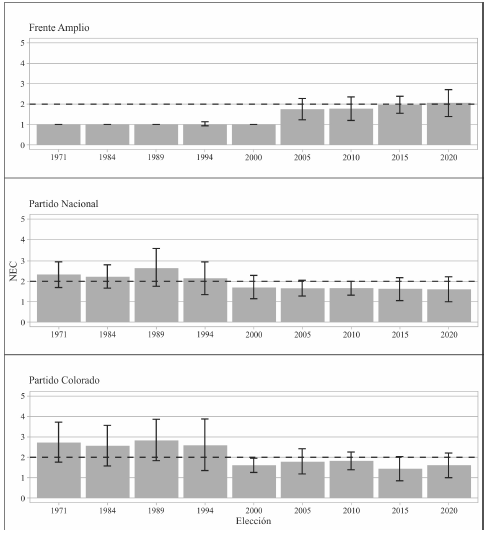
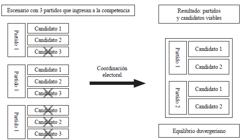
The 1996 constitutional reform unlinked the national and subnational elections and configured in the Uruguayan subnational level uninominal majoritarian systems, where the Mayor is the main seat in contest. However, it preserves a voting mechanism called Double Simultaneous Vote that determines the dynamic of the contest. This article proposes an adaptation of the classic theory of electoral coordination considering the effects of the forementioned mechanism. The statement is that the upper limit of effective candidates predicted is four, twice the upper limit of a traditional majoritarian system. This approach is proved empirically at the same time that a few propositions of the classic literature about electoral coordination are taken into account using data for Uruguay from 1971 to 2020.
Keywords:
electoral coordination; double simultaneous vote; subnational
 Thumbnail
 Thumbnail
 Thumbnail
 Thumbnail