Building a democratic equilibrium. The constitutional reform of Uruguay in 1917
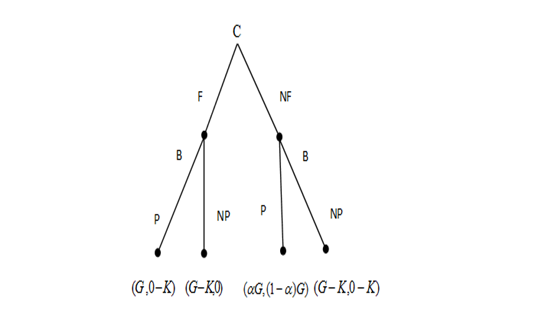
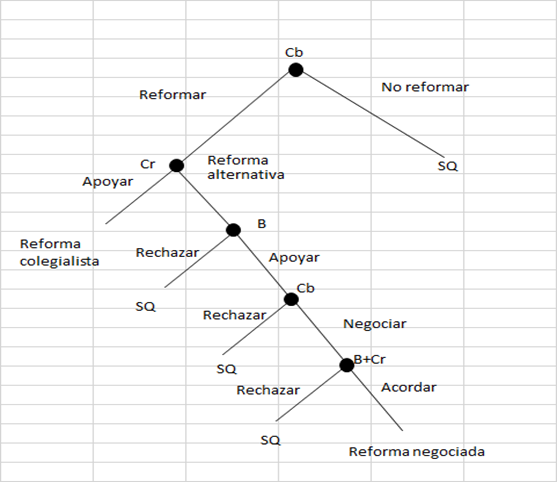
What explains the birth of a modern democracy? Why a democratic agreement based on rules and procedures can become stable over time? Although these are fundamental questions for the study of democracies, Uruguay still lacks a theoretically guided explanation that accounts for the origin of democracy. This paper explains how and why democracy was established in Uruguay, modeling the strategic interactions between the main political actors at the beginning of the 20th century. Using game theory, this work analyzes the process towards the adoption of the main features of the electoral system approved by the National Constituent Convention in 1917, and how these rules were able to produce a competitive equilibrium. Likewise, we show that what features Uruguayan democracy and its high levels of political stability is the ability of political elites to agree on rules that create a broad consensus. The work is empirically grounded in basic descriptive data and a detailed historical narrative.
Key words:
Democracy; Institutions; Electoral system; Political parties; Game Theory
 Thumbnail
 Thumbnail