Ideology and Leadership in Regional Cooperation: The Cases of Defense and the World Against Drugs Councils in Unasur
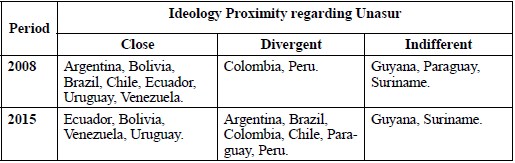
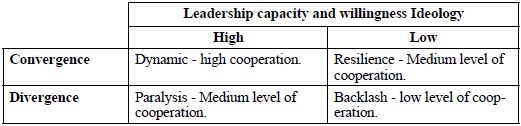
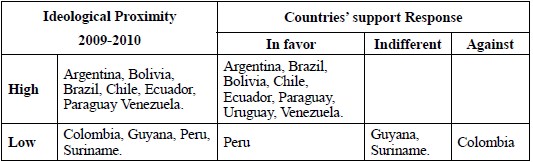
The paper analyzes how political ideologies convergence/divergence dynamics in South America and the presence of regional leaders supporting sectorial agendas have influenced regional cooperation levels in Unasur. We analyze divergent levels of regional cooperation in the same period in order to explore why cooperation has deepened in certain sectors but stagnated in others. Through the analysis of two sectoral case studies, the paper shows that a context of ideological convergence is a necessary but not sufficient condition to enhance regional cooperation.
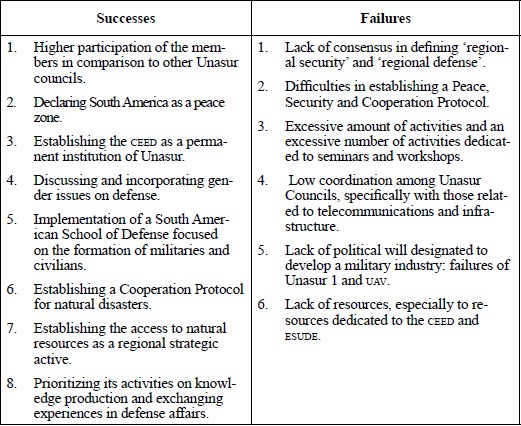
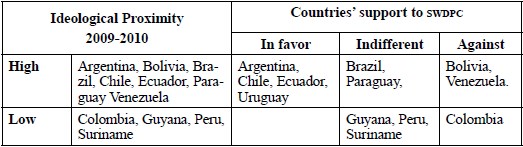
In fact, the paper finds that the combination of ideological convergence vis-à-vis a strong regional leadership supporting the agenda of the South American Defense Council and enhancing consensus among members encouraged deeper cooperation. Moreover, the alternation in leading this topic by other countries such as Argentina and Venezuela made cooperation in defense feasible. On the contrary, the South American World Drugs Problem Council case shows that even though there was an important ideological convergence among members, this agenda did not flourish given that there were no regional leaders engaged in the promotion of this topic.
Key words:
Unasur; regional cooperation; regional leadership; ideology
 Thumbnail
 Source: Own elaboration