Cabinet Determinants of Structural Reforms in Latin America, 1985-2000
Abstract
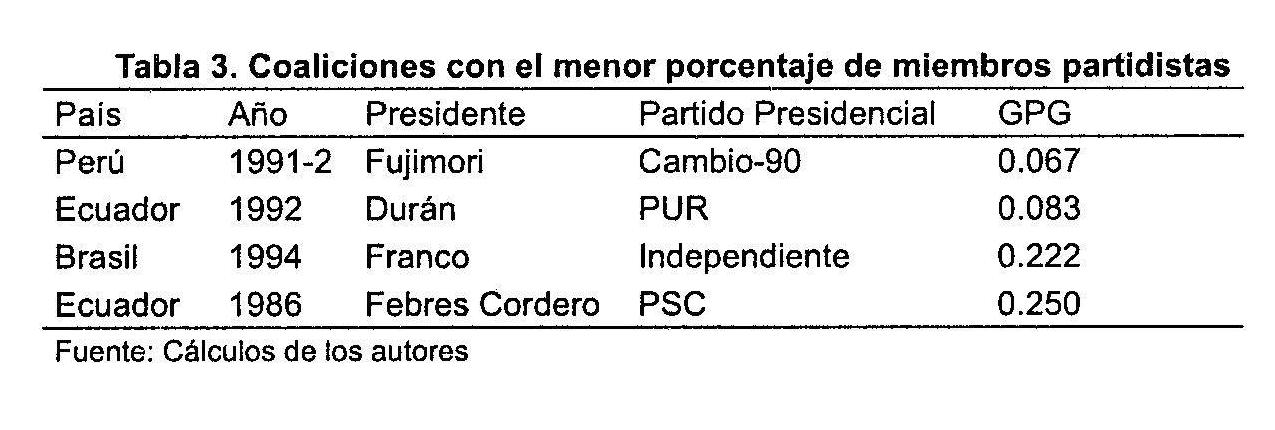
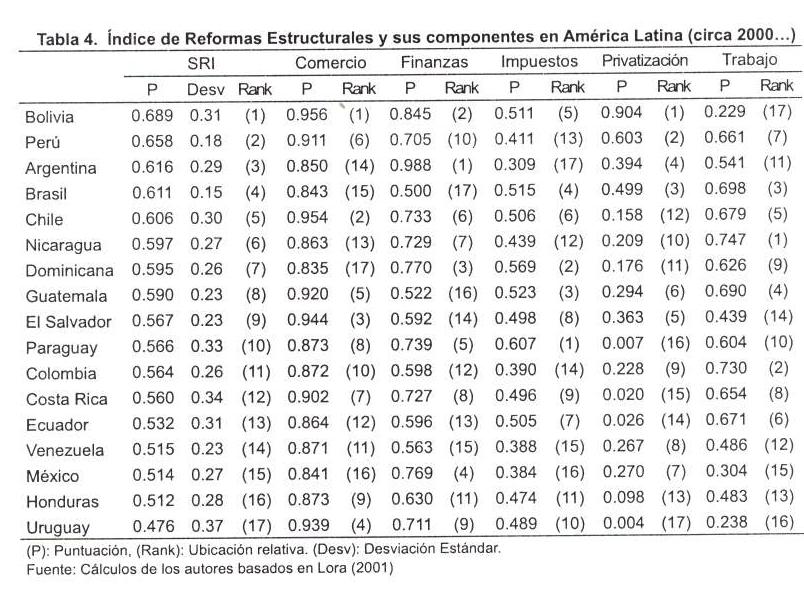
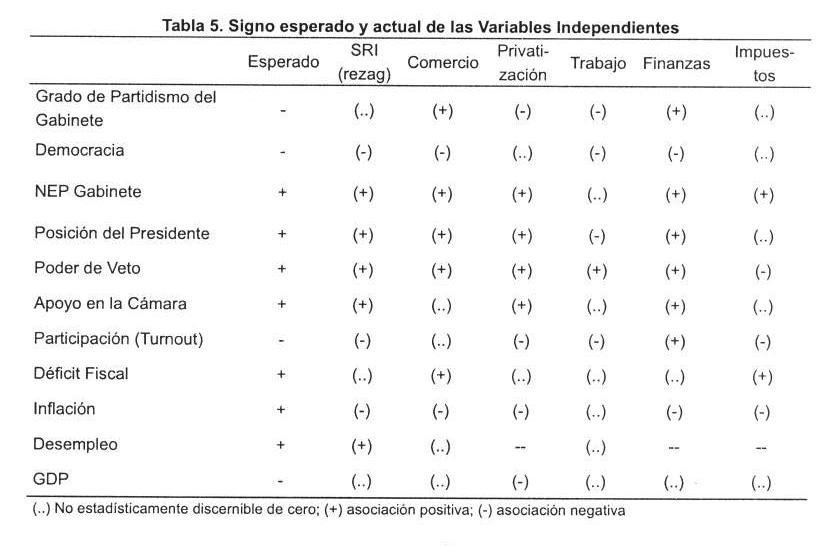
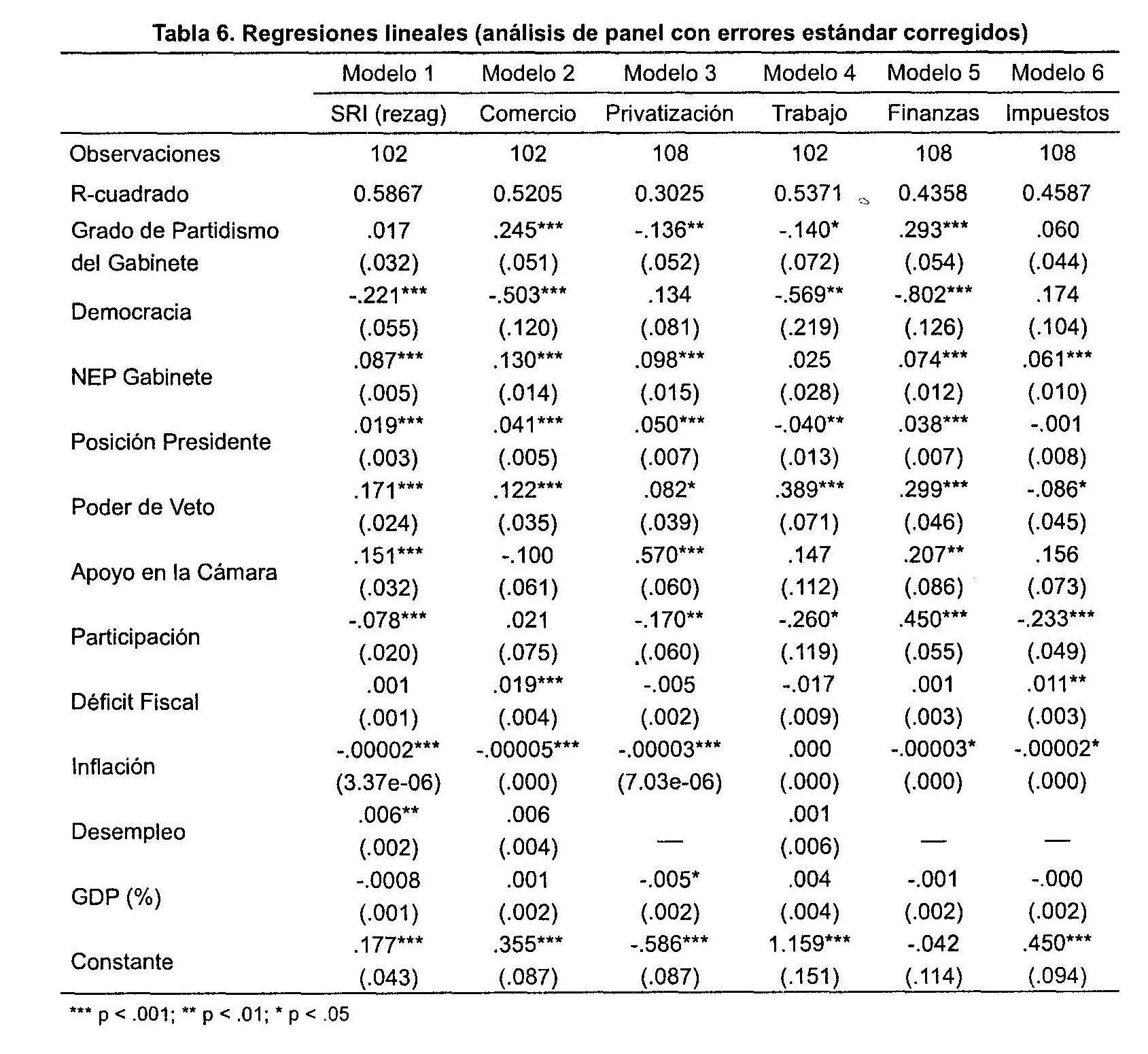
Abstract: Little research has been devoted to the analysis of how different characteristics of the executives affect structural reforms. This article analyzes the impact of cabinet fragmentation and the presidential ideological position on the scope of structural reforms in nine Latin American presidential democracies of the postauthoritarian period. In so doing, it treats cabinets as conglomerates of actors that are accountable both to the president and to their parties, with nonpartisan ministers being only accountable to the president. It shows that the higher the percentage of nonpartisan ministers, the lesser the costs associated with bargaining a reform within the executive. When presidents build governing coalitions, they limit their capacity of acting unilaterally. However, they are better able to advance their structural reform proposals than single-party governments are. Data on cabinet composition were collected by the authors and data on the dependent variable structural reform comes from Lora (2001).
Structural Reform; Latin America; Cabinet Fragmentation; Executive Coalition; Presidential Ideological Position
 Thumbnail
 Thumbnail