Democratization and legislative representation in Mexico
Is increasing electoral competition sufficient to improve democratic responsiveness? Recent research on Mexico suggests electoral competition, even without reelection, has increased democratic representation. Such works are primarily based on aggregate data and fails to test the relationship between electoral competition and individual responsiveness. Here, we examine the relationship between increased electoral competition and legislative behavior by using individual-level data on career paths, bill sponsorship and pork-barreling from Mexican federal deputies before and after the democratic transition. The findings suggest an increasingly competitive environment leads to more qualified candidates. However, there is no evidence that competition has an individual level effect on legislative behavior. The implication of these findings is that elections, by themselves, are not sufficient to induce responsiveness.
Keywords:
Electoral competition; political careers; legislative behavior; Mexico
 Thumbnail
 Thumbnail
 Thumbnail
 Thumbnail
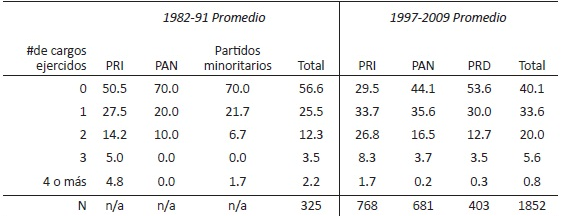
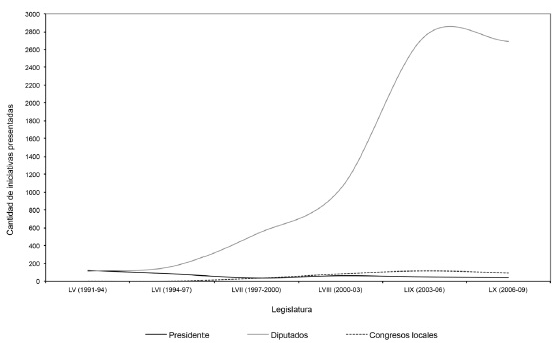 Fuente: Sistema de Información Legislativa de la Secretaría de Gobernación
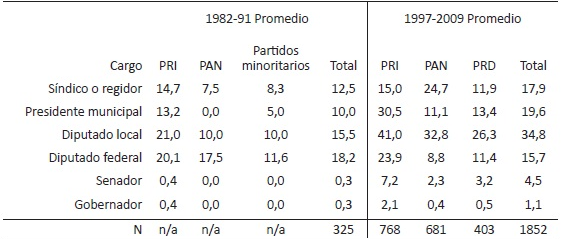
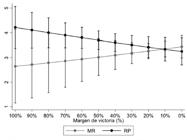
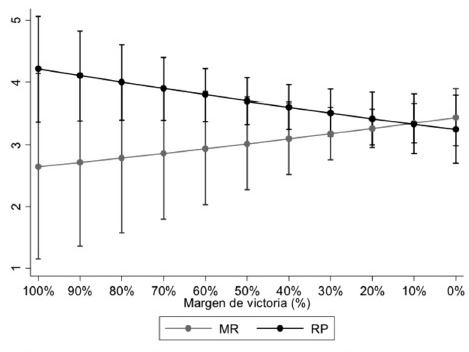 Fuente: elaboración propia de los resultados de
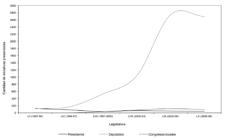
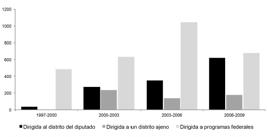
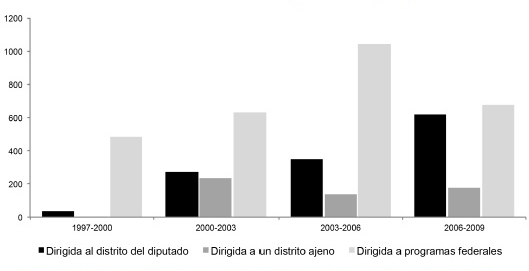 Fuente: compilación de los autores y página oficial de la Cámara de Diputados de México
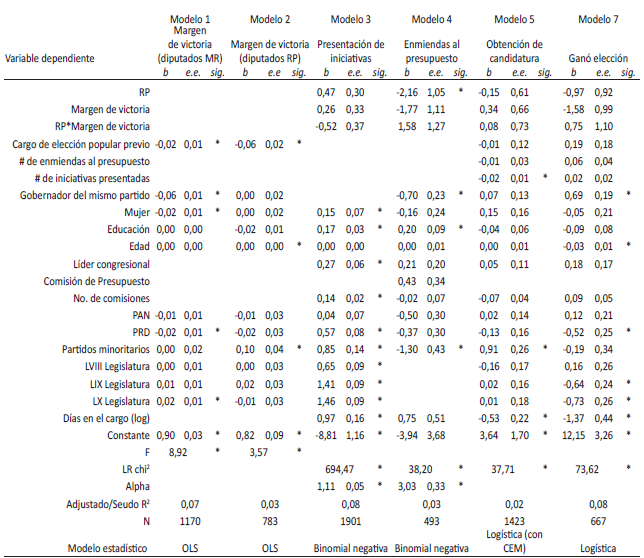
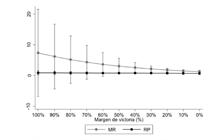
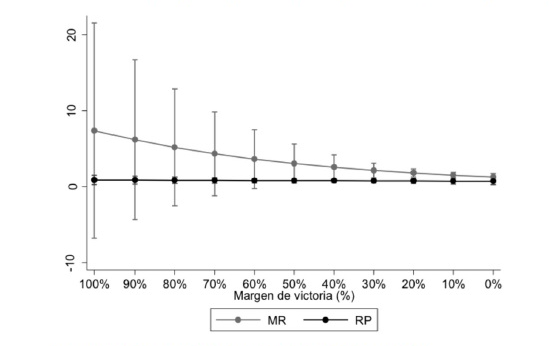 Fuente: elaboración propia de los resultados de