Coalition and Speed: Passage and Duration of Statutes in Uruguay's Parliament, 1985-2000
Abstract
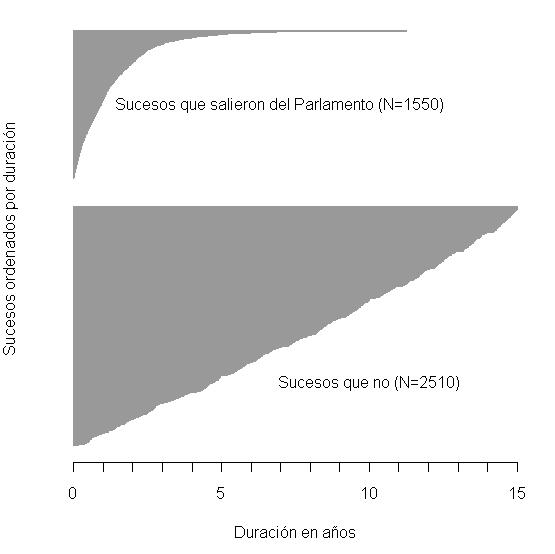
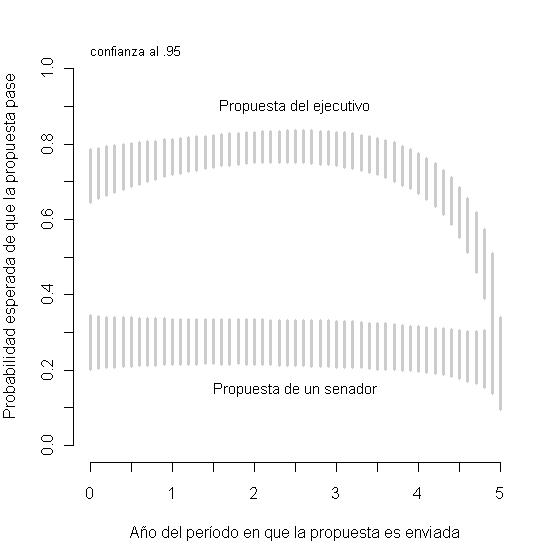
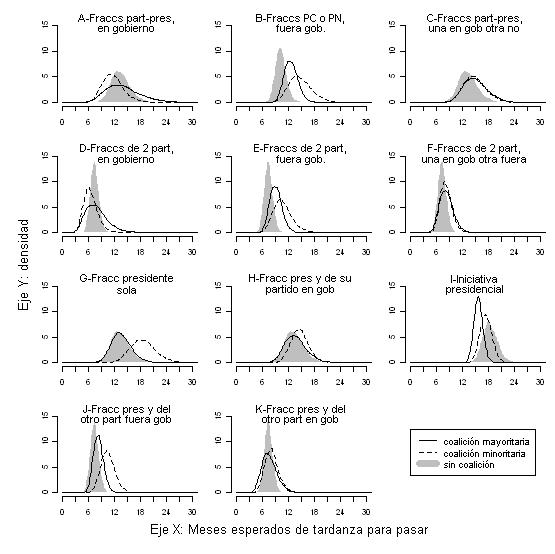
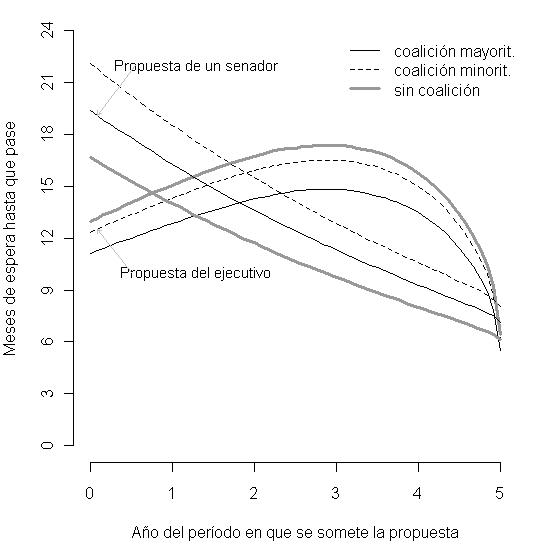
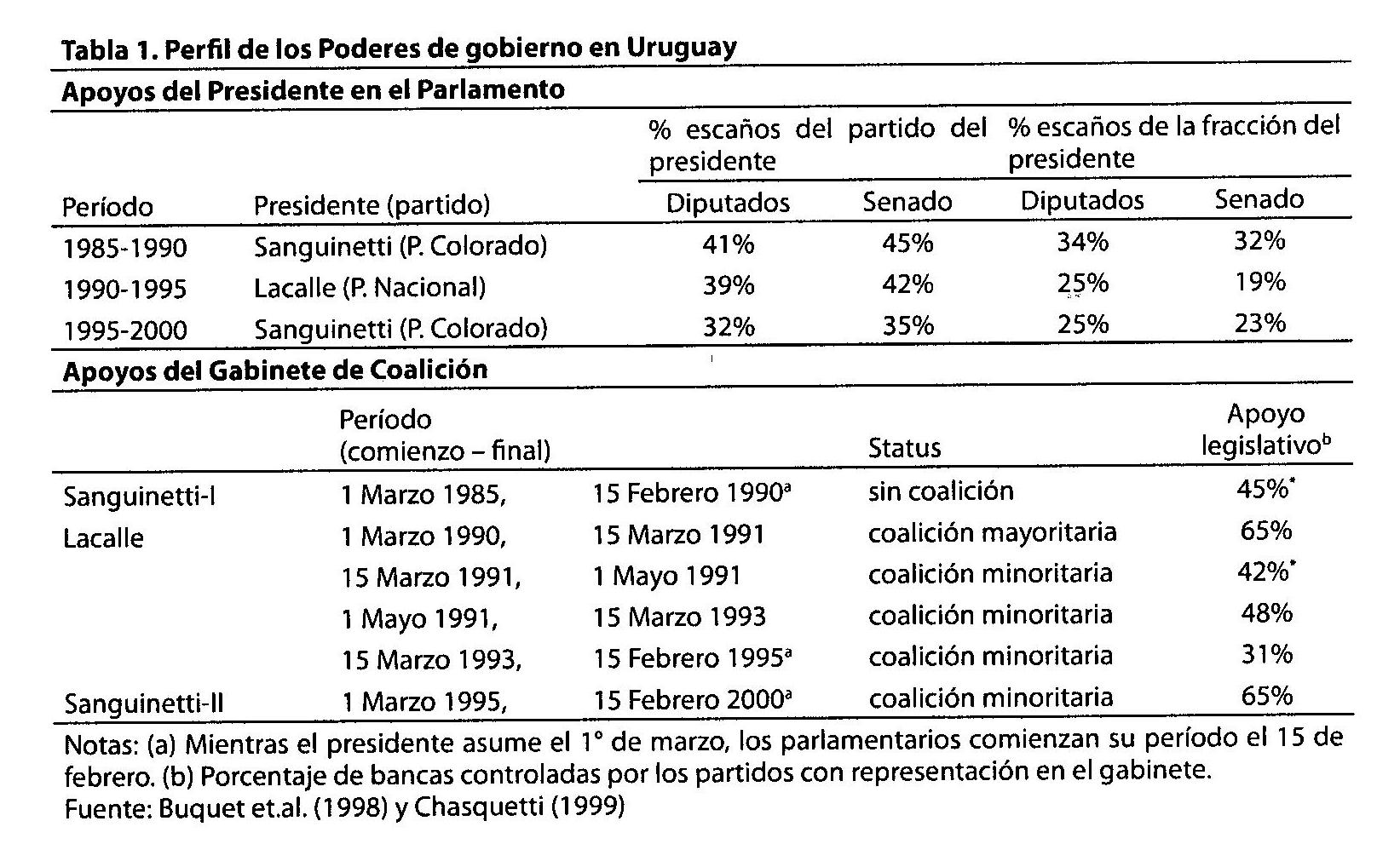
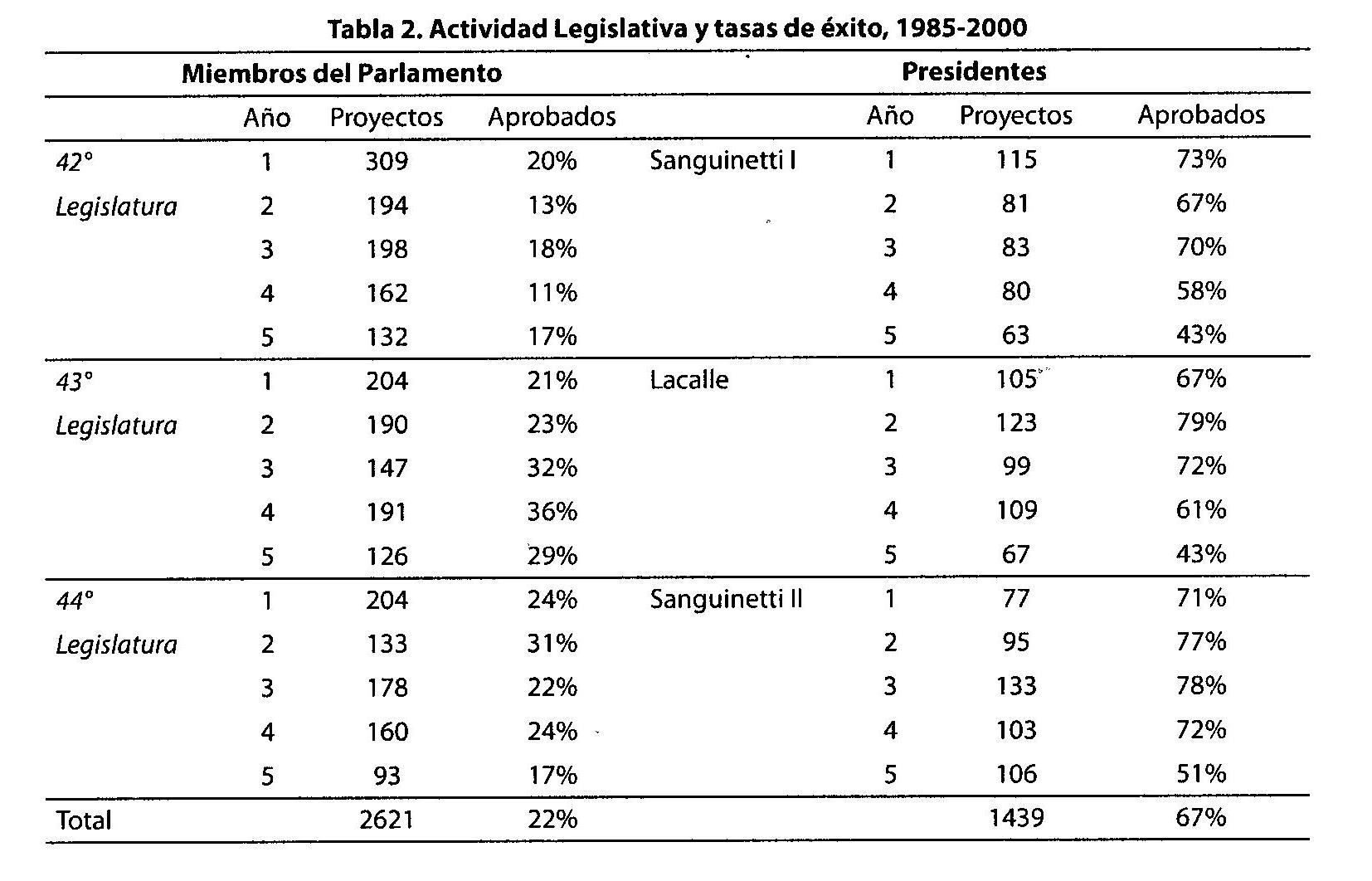
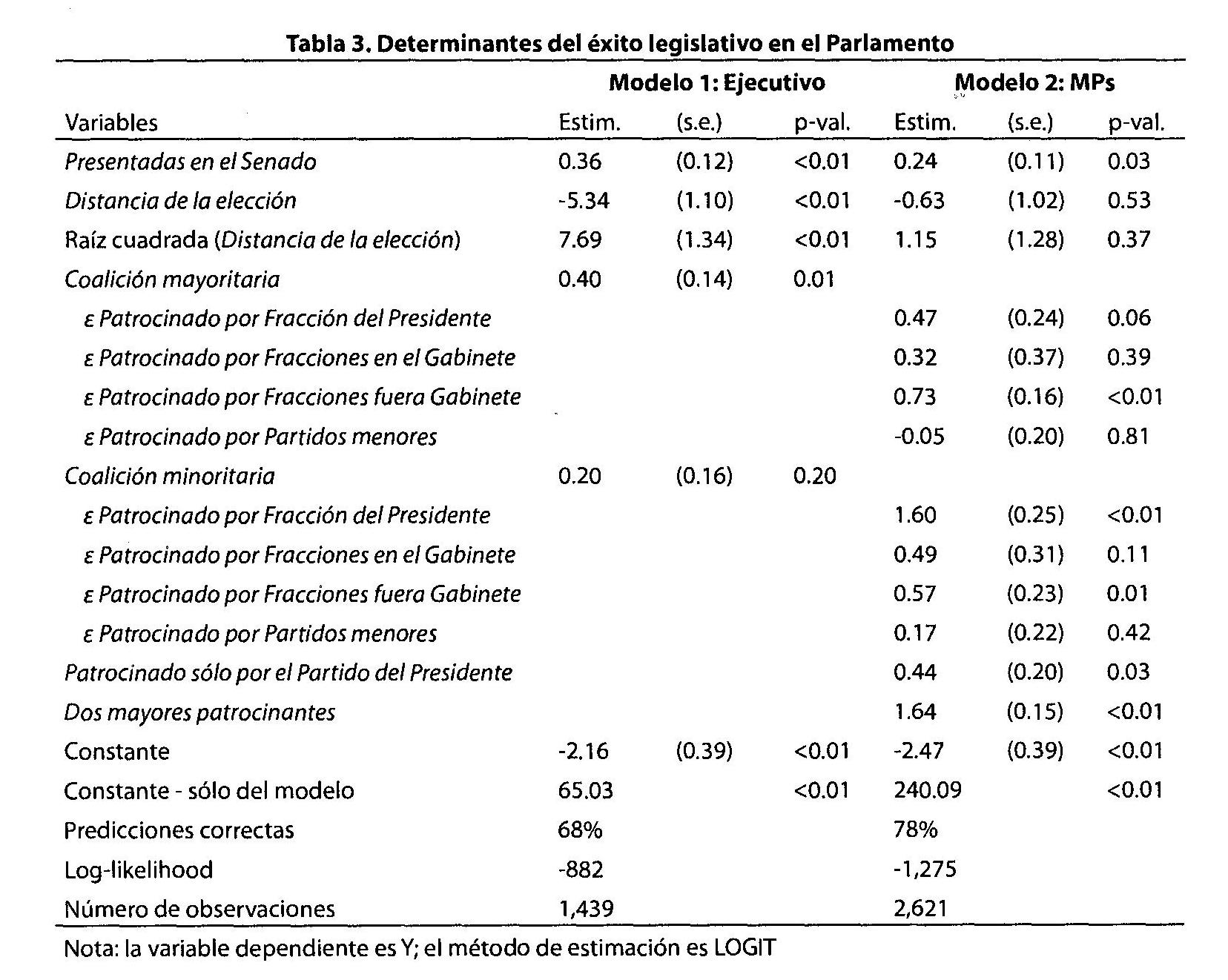
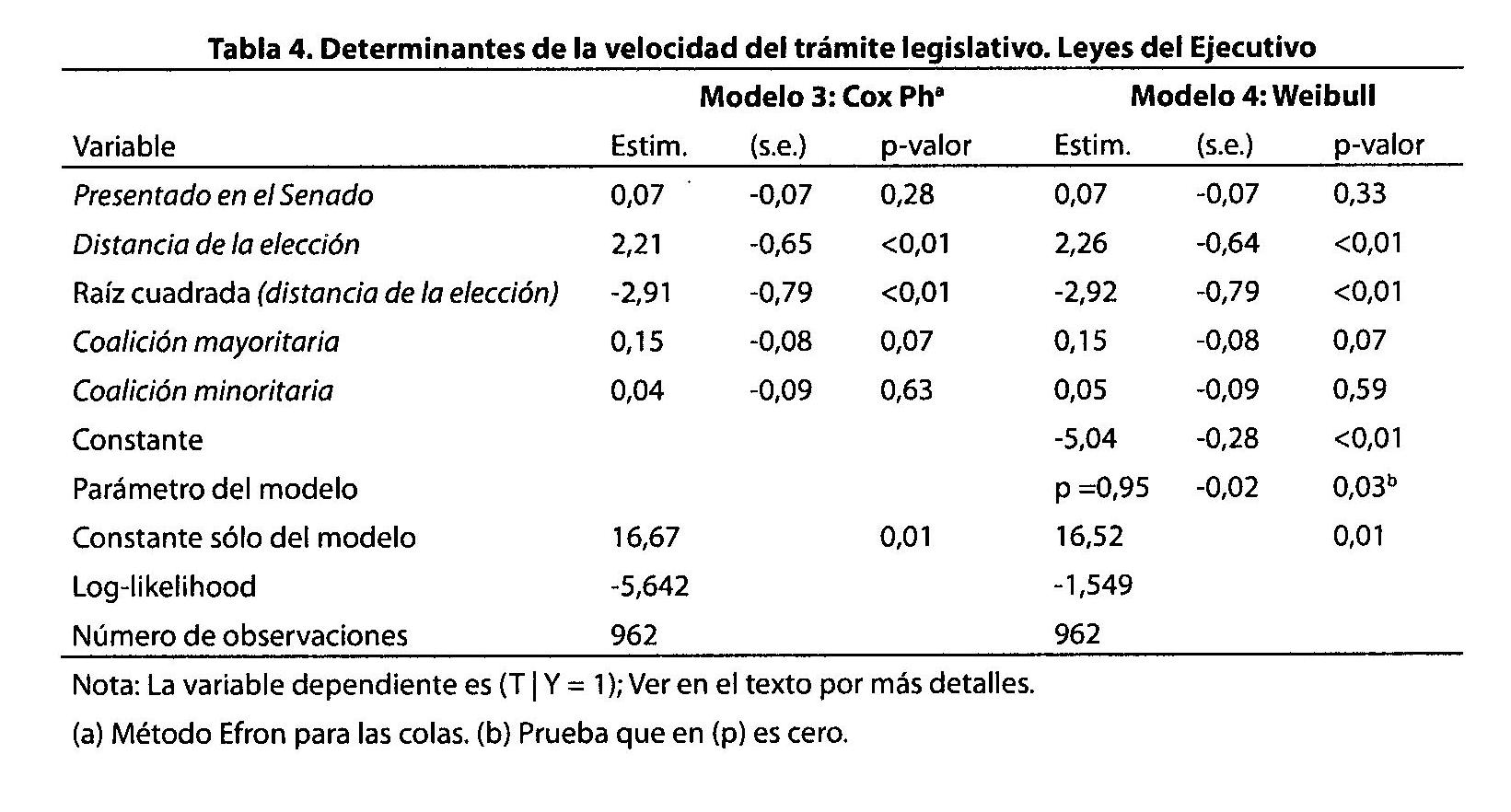
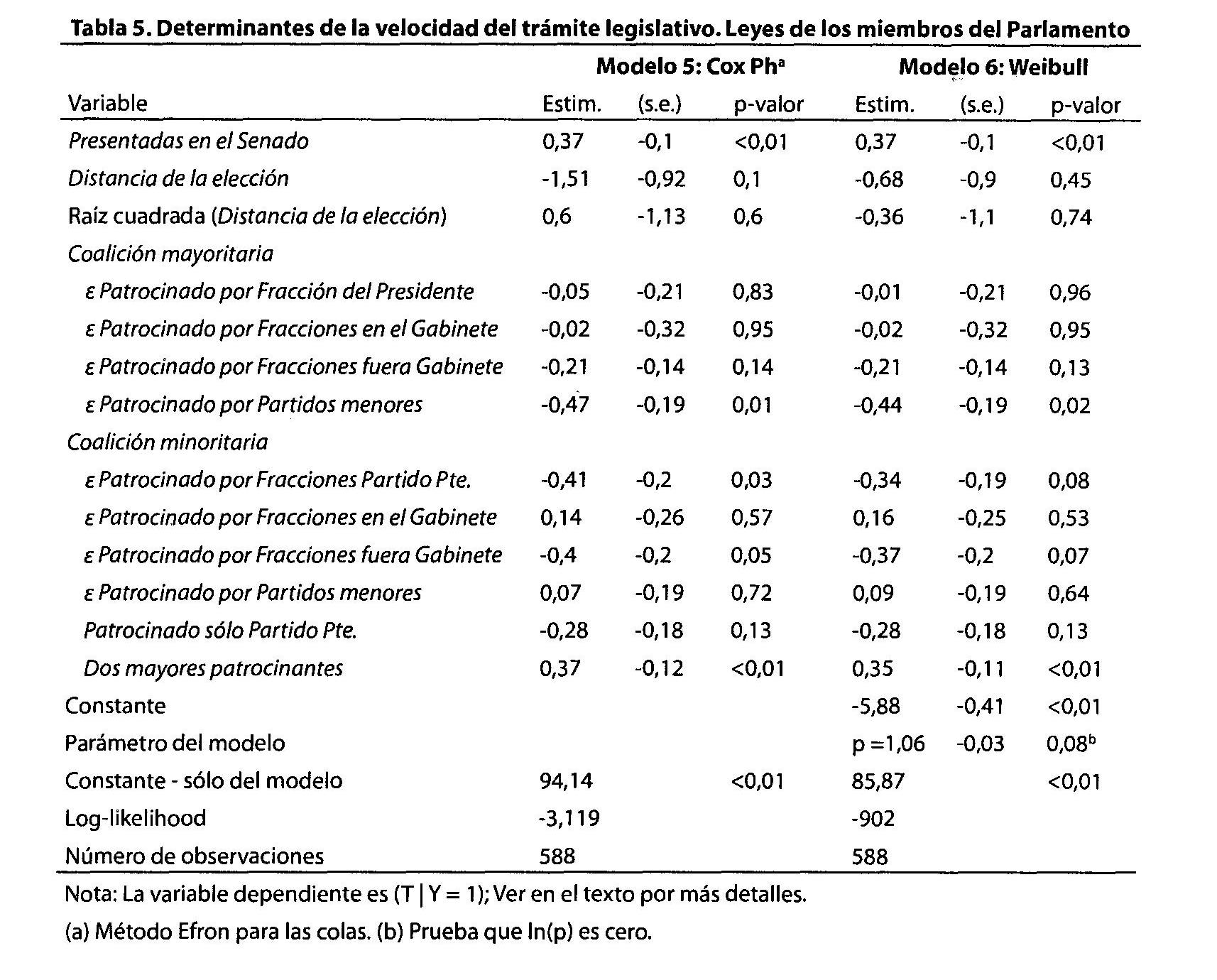
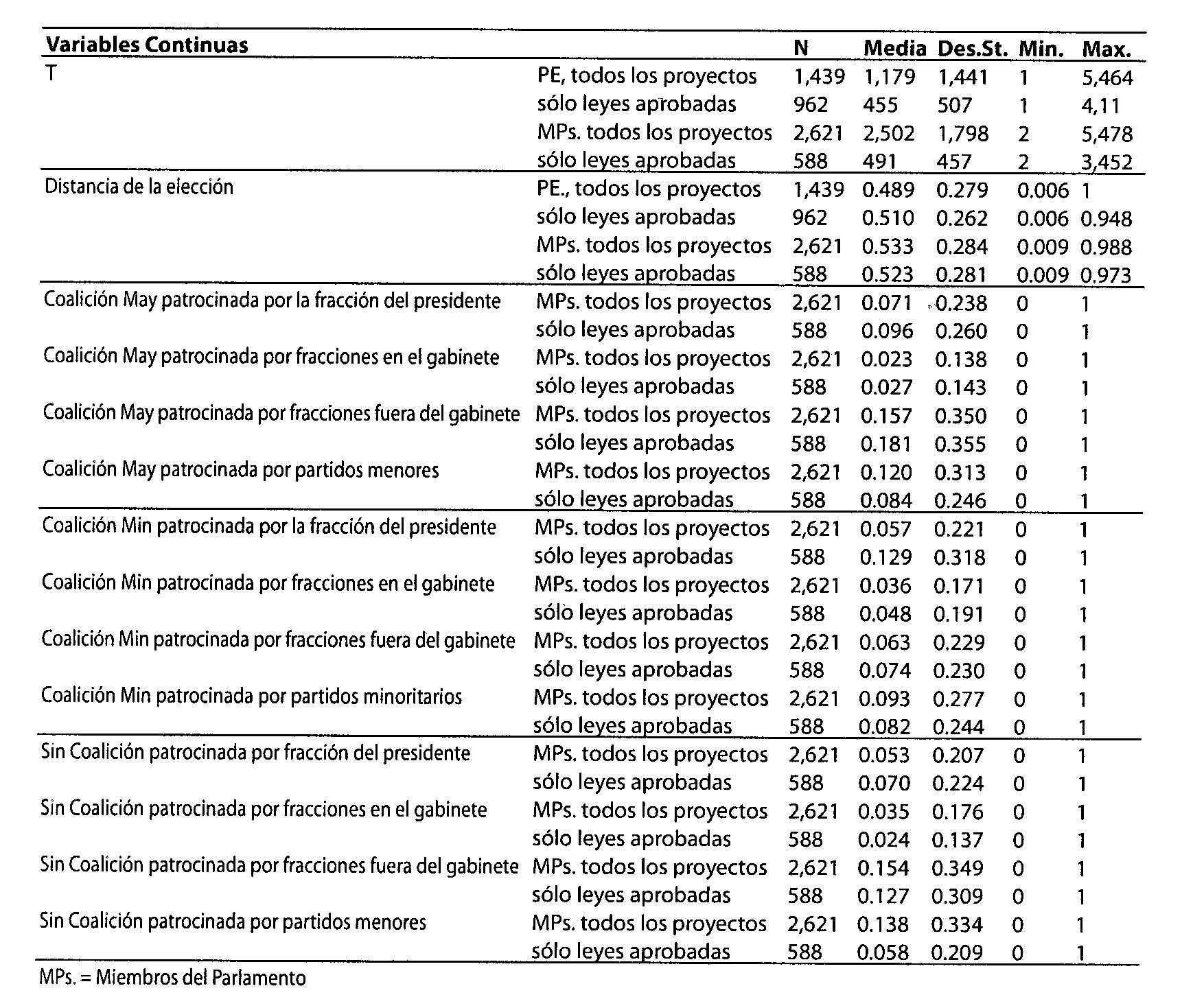
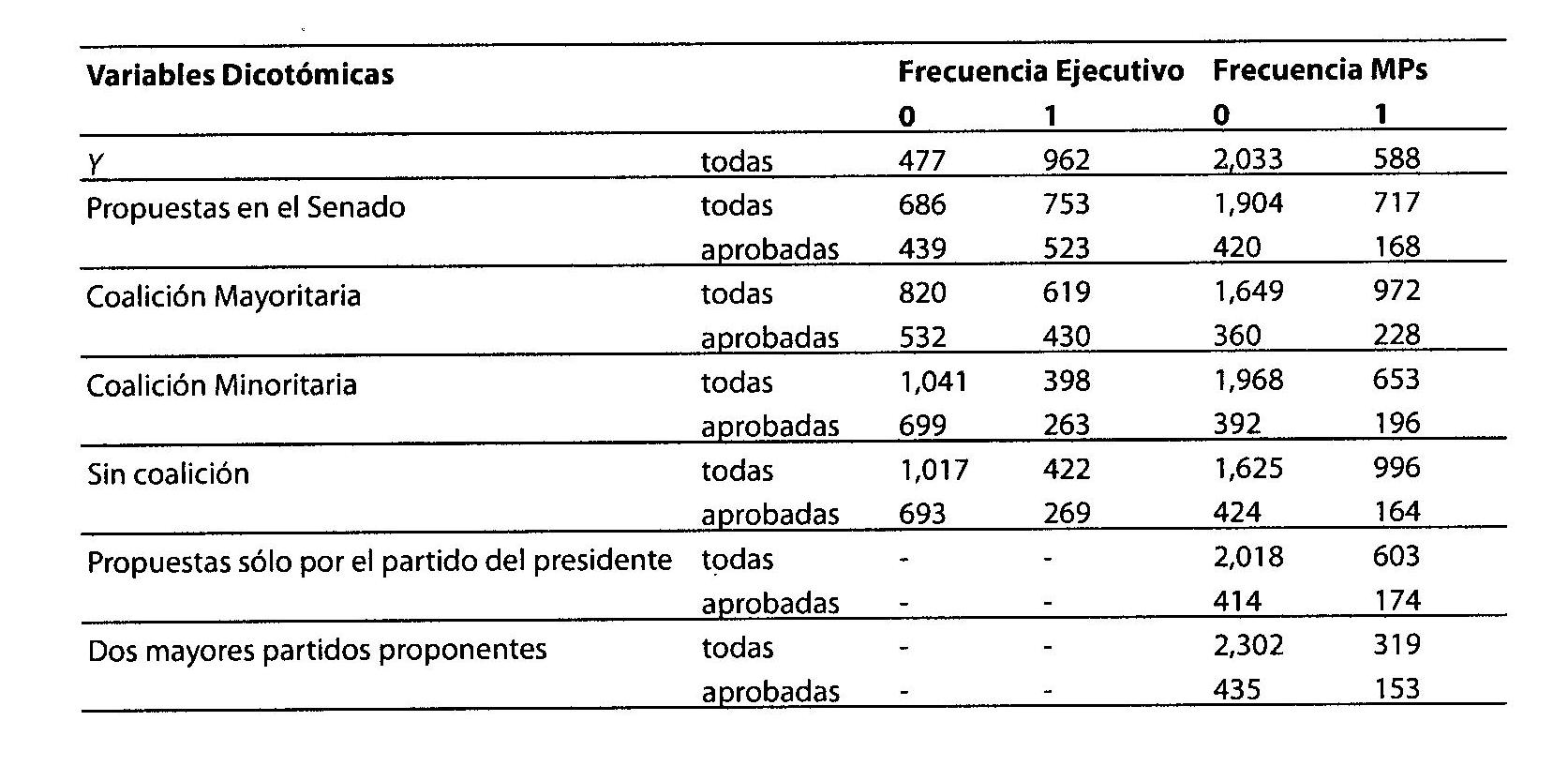
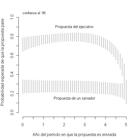
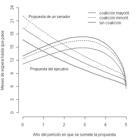
We explore the legislative process in search for some of the alleged consequences of cabinet coalitions in a presidential system. Coalition effects should not be expected in the success of executive initiatives: strategic behavior invalidates this intuitive measure of performance. An alternative measure is the time proposals take to navigate the legislative process. Some problems persist, but thus measured coalition effects are discernible. Event history analysis of the universe of proposals passed in the Uruguayan Parliament between 1985 and 2000 reveals that coalition cuts the wait for an executive bill between 2 and 3 months, one-sixth the average wait. The reverse effect is felt on the duration of legislators bills. As expected, coalitions do not increase the likelihood of passage of executive initiatives by much (though it improves the fate of bills by legislators from parties in the coalition
Parliament; Executive Power; Coalitional Government
 Thumbnail
 Thumbnail
 Thumbnail
 Thumbnail