Dilated cardiomyopathy: when and how to proceed to etiological diagnosis?
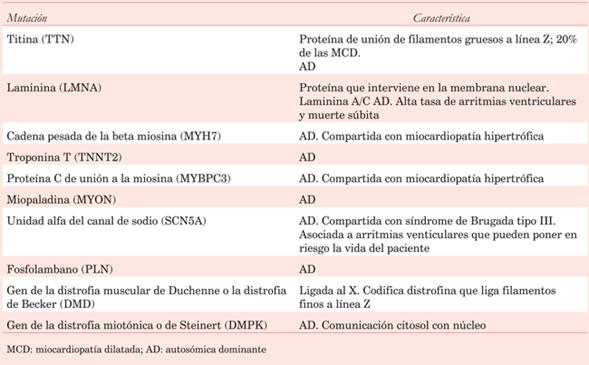
Dilated cardiomyopathy is the most common form of ventricular dysfunction with an adult prevalence of about 1 / 2.500 individuals. For many years the most described form of dilated cardiomyopathy in the registries was the idiopathic form. In the last ten years, advances in imaging and genetics have made it possible to identify specific forms within this group that we commonly called idiopathic. The study of patients with dilated cardiomyopathy should follow the usually steps, beginning with clinical work, evaluation of personal and family history, physical examination, and deep electrocardiogram analysis and echocardiography. The identification of clinical features suggestive of specific diseases should lead to a second-level diagnostic work that may include specific biochemical analyzes, cardiac resonance, anatomopathological and genetic studies. Next, we review strategies for the best identification of specific etiologies.
Key words:
Cardiomyopathy dilated; Genetics; Cardiovascular magnetic resonance