Ventricular septal communication following acute myocardial infarction: a dynamic phenomenon
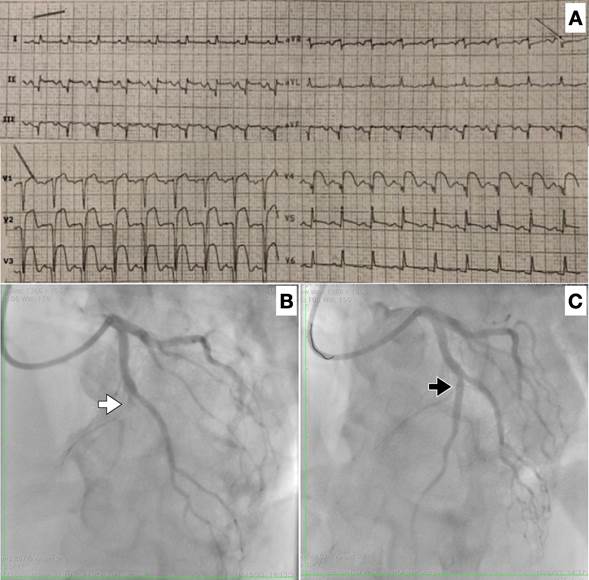
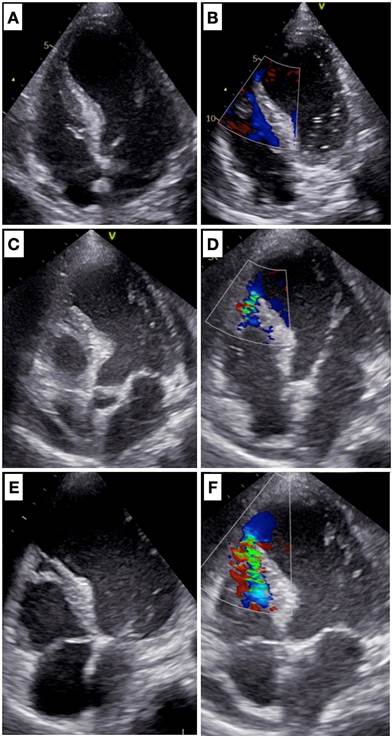
Mechanical complications of acute myocardial infarction (AMI) are relatively uncommon but carry significant clinical relevance due to their high associated mortality. Post-infarction ventricular septal rupture (VSR) results from myocardial tissue necrosis, leading to structural weakening and eventual disruption of the interventricular septum, thereby creating a pathological communication between the left and right ventricles. The most frequent clinical presentations include hemodynamic instability, acute heart failure, and/or the emergence of a new cardiac murmur. The diagnosis is primarily established through transthoracic echocardiography (TTE), which serves as the main diagnostic modality. However, identification can be challenging due to the anatomical complexity and irregular morphology of these septal defects. Surgical repair remains the treatment of choice, although determining the optimal timing of intervention is often complex. It is generally recommended to delay surgery until some degree of myocardial scarring has occurred, in order to improve surgical outcomes. This article presents a clinical case illustrating the echocardiographic progression of a post-infarction VSR from initial diagnosis through to definitive surgical intervention.
Key words:
VENTRICULAR SEPTAL DEFECT; ACUTE MYOCARDIAL INFARCTION
 Thumbnail
 Thumbnail