Pruebas de esfuerzo cardiopulmonar en la práctica clínica
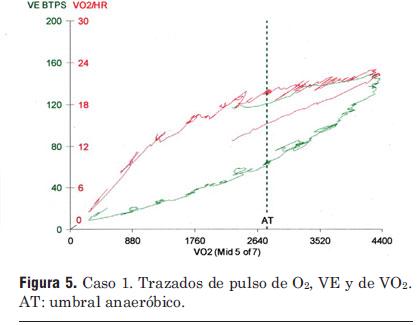
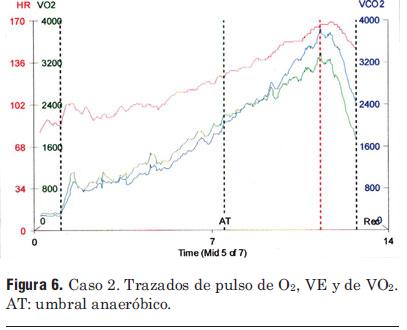
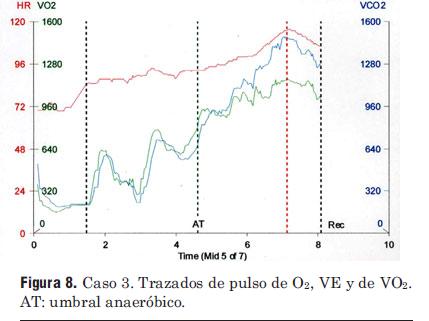
SUMMARY A review of the advantages, interpretation and prognostic value of cardiopulmonary exercise testing in clinical medicine is provided. Cardiorespiratory fitness directly measured by peak oxygen uptake (peak VO2, VO2max) is an important predictor of mortality in patients with coronary heart disease and represents a significant advantage over estimation of peak VO2 by the standard exercise test. Other important parameters reported during cardiopulmonary exercise testing include: 1) respiratory exchange ratio (RER), which is the ratio of VCO2 to VO2, a relevant measure of effort on the test; 2) breathing reserve (BR), used to determine possible pulmonary limitation to exercise; 3) ventilatory efficiency (VE/VCO2) and end tidal CO2 which are measures of gas exchange in the lung, affected by both intrinsic pulmonary disease and various cardiac abnormalities such as pulmonary embolus, pulmonary hypertension, heart failure, mitral regurgitation, and other conditions affecting left ventricular filling; 4) O2 pulse, which is the product of stroke volume multiplied by the arterial-mixed venous O2 difference. These parameters help understand the dynamics of blood flow and gas exchange in various diseases states and, in the case of VE/VCO2, also provide independent prognostic information. The implemention of cardiopulmonary exercise test is relatively easy and inexpensive and adds significant value to the stratification of patients with complex cardiac disease as well as providing important data for exercise prescription for patients participating in a cardiac rehabilitation program.
CARDIORESPIRATORY FITNESS; EXERCISE TEST; OXYGEN CONSUMPTION
 Thumbnail
 Thumbnail
 Thumbnail