Dilemmas of heart failure with preserved ejection fraction
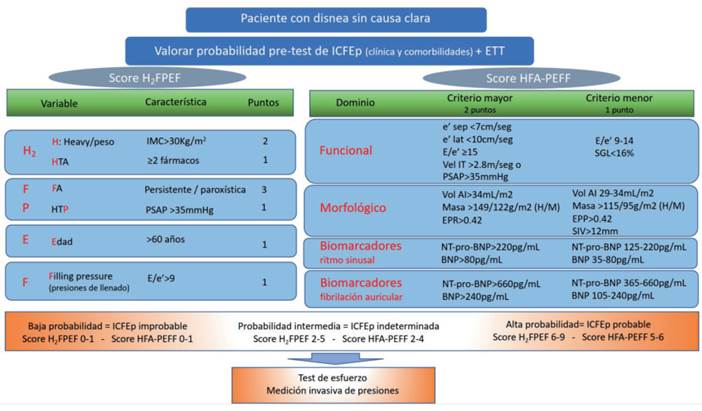
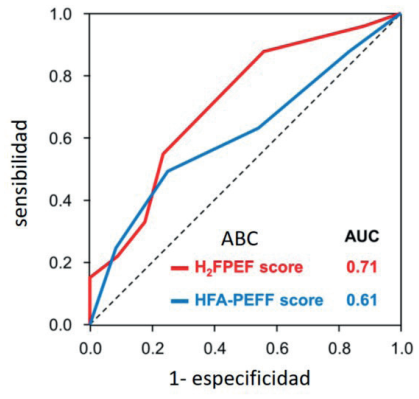
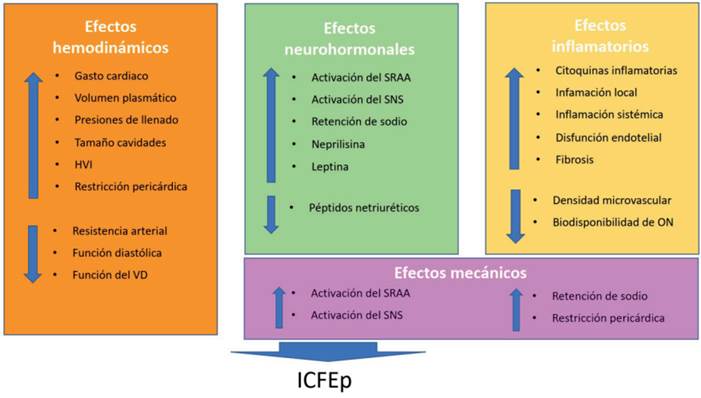
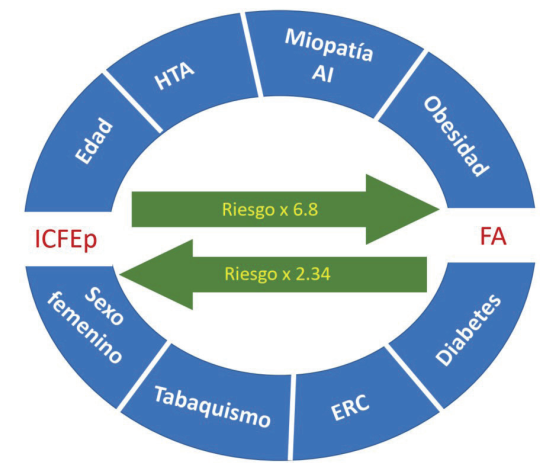
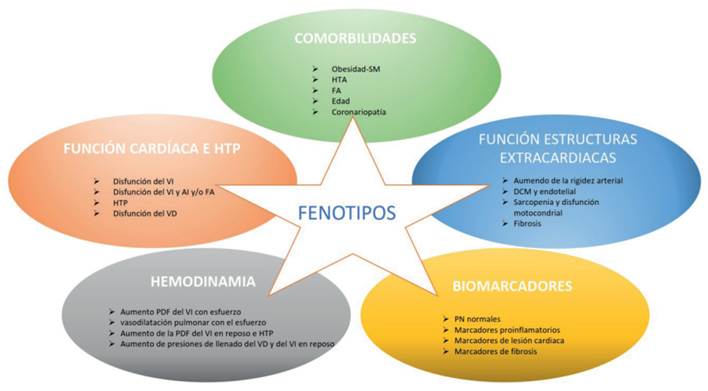
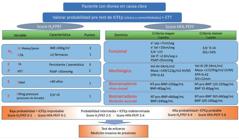
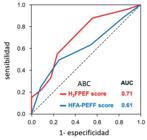
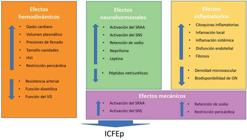
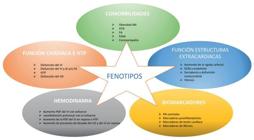
Heart failure with preserved and reduced ejection fraction have significant differences. While the latter has had a diagnostic and therapeutic algorithm for years, with guidelines and drugs that improve its prognosis, heart failure with preserved ejection fraction (HFpEF) not only presents difficulties in reaching a diagnosis, but also there are no drugs that have been proven to be effective in reducing mortality. In this review, a broad approach to HFpEF is made, beginning by defining it and distinguishing it from diastolic dysfunction. The gold standard for its invasive diagnosis is described and recently developed non-invasive scores that estimate the probability of having the disease are analyzed. Through the analysis of the frequently associated comorbidities, the pathophysiological mechanisms involved are described. Likewise, the phenotypes proposed to group patients and design clinical trials with drugs that try to reduce mortality are detailed. Finally, the recommended non-pharmacological and pharmacological therapeutic measures are outlined.
Key words:
Heart failure; Preserved ejection fraction; Diastolic dysfunction
 Thumbnail
 Thumbnail
 Thumbnail
 Thumbnail
 Thumbnail