Pregnancy in patients with heart diseases. Definitions, pathophysiology and risk stratification
Congenital heart disease is the most common heart condition that complicates pregnancies in developed countries. Additionally, changes in lifestyle and older maternal age, along with age-related cardiovascular risk factors such as hypertension, diabetes, and obesity contribute to an increased incidence of acquired heart diseases. The normal physiological changes of pregnancy can exacerbate pre-existing heart conditions.
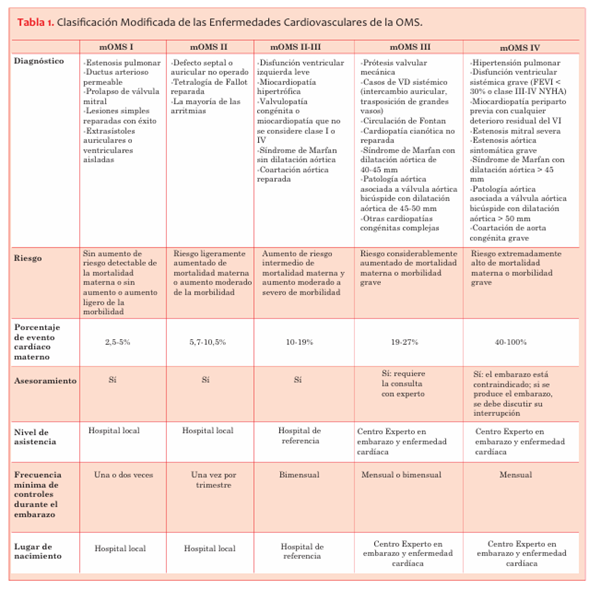
Maternal morbidity and mortality related to cardiovascular diseases are significant, highlighting the need for a multidisciplinary and individualized approach to these patients. Risk stratification is essential for guiding clinical management. Planning the timing of delivery should be individualized, considering both maternal and fetal risks, ideally in a tertiary care center and preferably close to term to reduce perinatal morbidity and mortality. Vaginal delivery is the preferred mode, in most cases, with continuous monitoring of both maternal and fetal well-being during labor and delivery, and strict maternal surveillance in the postpartum period.
Key words:
HEART DISEASE; CONGENITAL HEART DISEASE; PREGNANCY; WHO; ZAHARA; VAGINAL DELIVERY