Aortic valve replacement: biological or mechanical prosthesis? Comparative study of long-term survival
Introduction: the use of bioprosthesis and mechanical prosthesis has its advantages and disadvantages that vary according to each patient. International data do not agree on the long-term benefit in survival of either prosthesis.
Objective: evaluate survival and predictive role of type of prosthesis in patients who underwent aortic valve replacement (AVR).
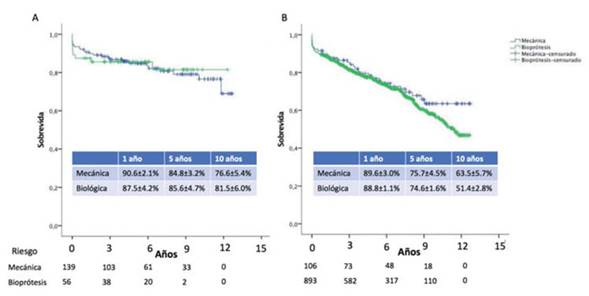
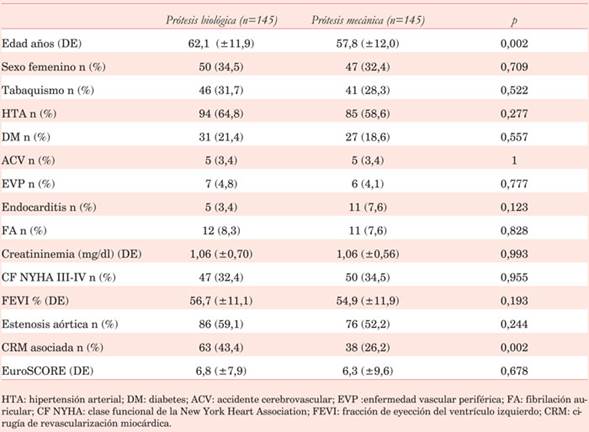
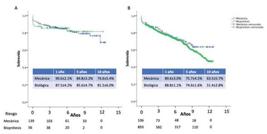
Methods: we included patients who underwent AVR from January 2006 to December 2016. Demographic, operative and follow-up variables were extracted from the institution database. In order to decrease patient heterogeneity, propensity match (PM) was performed. Survival was analyzed globally and according to age strata (< and ³ 60 years old). Predictive role of prosthesis type was evaluated with Cox regression.
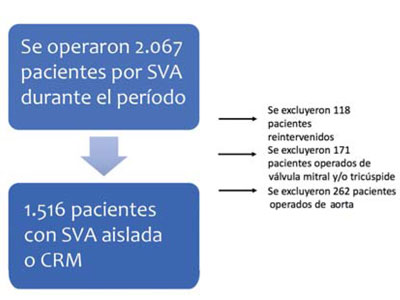
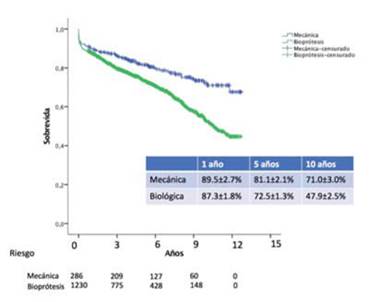
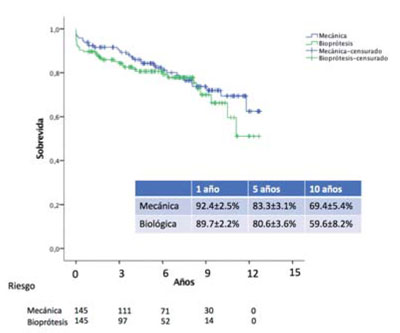
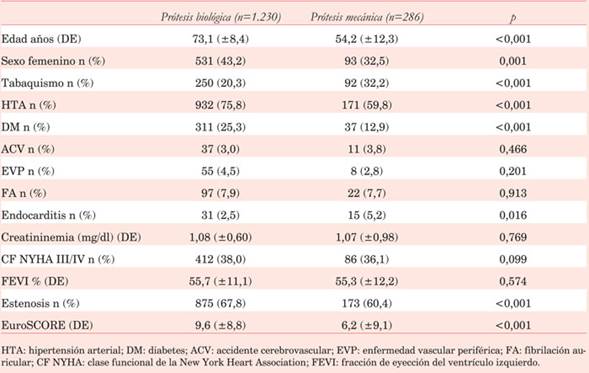
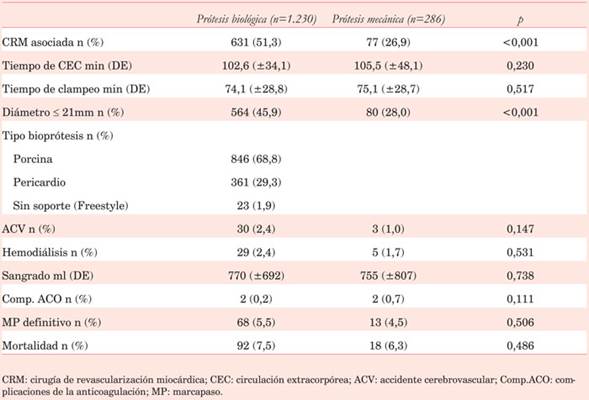
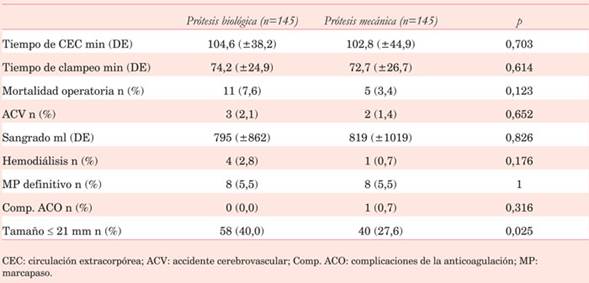
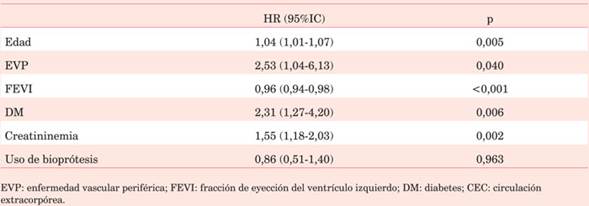
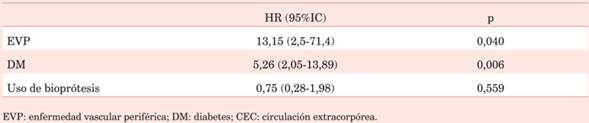
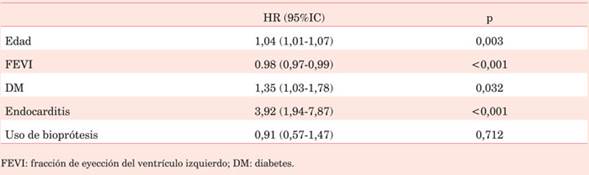
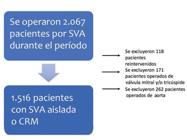
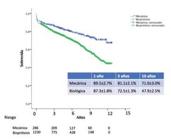
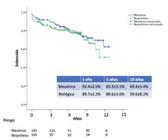
Results: 1.516 patients were included. Bioprosthesis was used in 1.230 (81,1%) and mechanical in 286 (18,9%) patients; 145 PM patients were evaluated in each group. No differences were found in operative mortality and postoperative complications (stroke, pacemaker, dialysis, bleeding and anticoagulation complications) either in the global population or the PM. Use of bioprosthesis was not an independent predictor for survival in the PM (HR=0.86,95%CI:0.51-1.14). In neither of the age strata was type of prosthesis a predictor of survival.
Conclusion: locally, patients who undergo AVR have similar survival regardless of the type of prosthesis.
Key words:
Aortic valve replacement; Bioprosthesis; Mechanical valve; Survival
 Thumbnail
 Thumbnail
 Thumbnail
 Thumbnail