Contribution of scintigraphy with technetium phosphated tracers to the diagnosis of cardiac amyloidosis
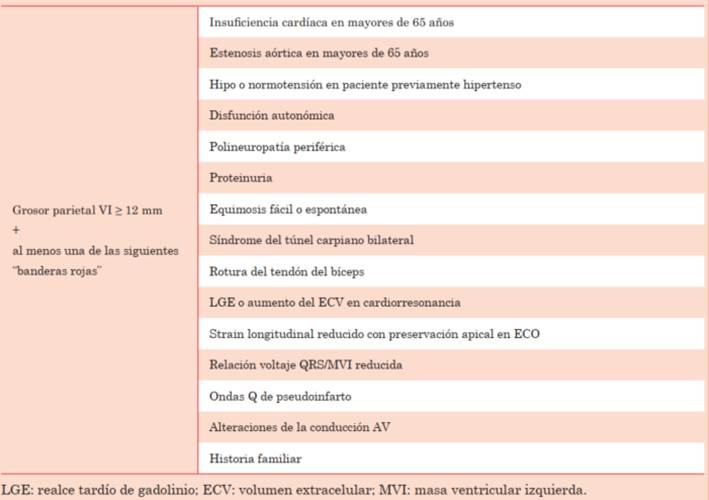
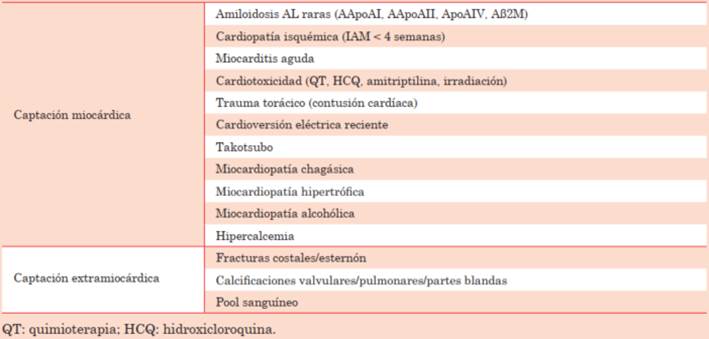
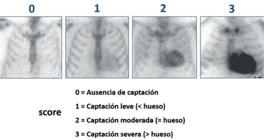
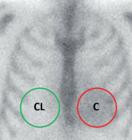
Amyloidoses are diseases caused by the extracellular deposition of a fibrillar and insoluble protein material called amyloid, which can be linked either to light chains (AL) or transthyretin (TTR). Cardiac amyloidosis causes a progressive restrictive cardiomyopathy characterized by heart failure with relatively preserved systolic function, which is associated with high mortality. Although a definitive diagnosis is traditionally based on endomyocardial biopsy, advances in cardiac imaging have improved its approach, and the recent introduction of specific therapies predicts significant changes in prognosis. Since treatment differs according to the type of amyloid involved and the results depend on a prompt implementation, an accurate and early diagnosis is essential. Cardiac scintigraphy with labeled phosphates (99mTc-PYP or others), widely available and relatively inexpensive, is currently considered a “noninvasive molecular biopsy” for the diagnosis of ATTR type amyloidosis, which should be used in conjunction with investigation of monoclonal proteins in patients with clinical suspicion of the disease.
Key words:
Cardiac amyloidosis; Cardiomyopathy; Diagnosis; Scintigraphy
 Thumbnail
 Thumbnail
 Thumbnail
 Thumbnail