Two Uruguayan marginal artists, from an anthropological perspective
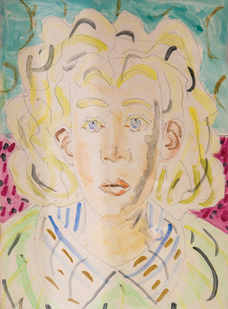
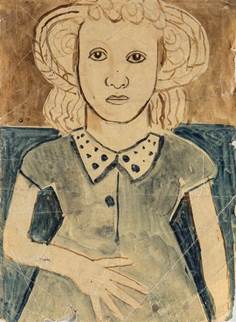
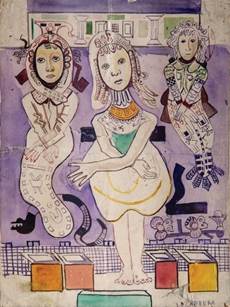
This article analyzes the life trajectories and artistic works of Javiel Raúl Cabrera, Cabrerita, and Gustavo Pena Casanova, el Príncipe, two Uruguayan artists who developed their works from marginal positions. Applying Alfred Gell's theoretical framework, which argues that artistic objects participate in networks of agency, I examine through documentary research the forms of expression of both artists, their precarious conditions, and the materials they used, highlighting how these did not limit the power of their works but rather became integral constitutive elements of them. The article also explores ethical debates about art, mental health, and marginalization that emerge from the lack of recognition and attention during their lifetimes, as well as their implicit political positions during the Uruguayan dictatorship and their relationship with the Generation of ’45. The works of both artists, marked by naïveté and resistance to conventions, transformed the Uruguayan cultural imaginary, consolidating them as posthumous icons.
Keywords:
art; marginality; anthropology of art; agency; Uruguay
 Thumbnail
 Thumbnail
 Thumbnail