«Images of my hometown». Aripao and its meanings through the eyes of the children of this Afro-descendant community, Bolívar State, Venezuela
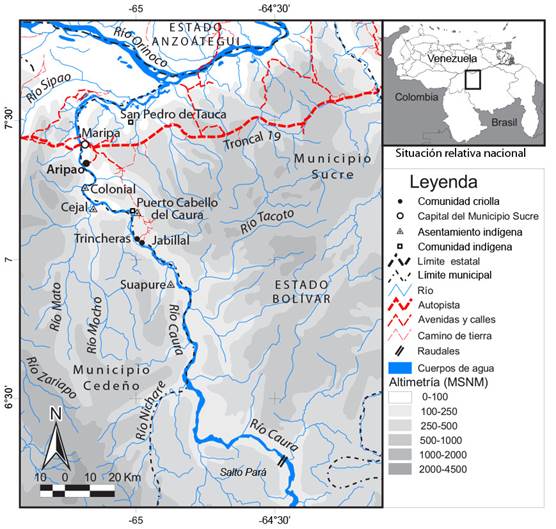
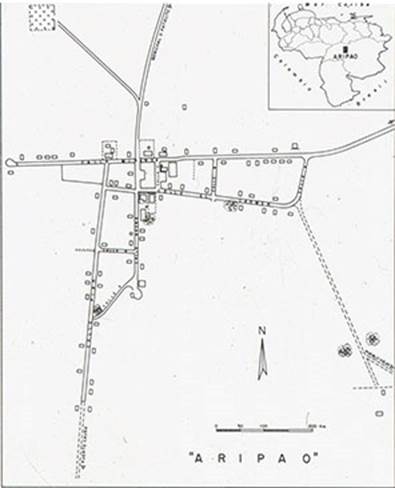
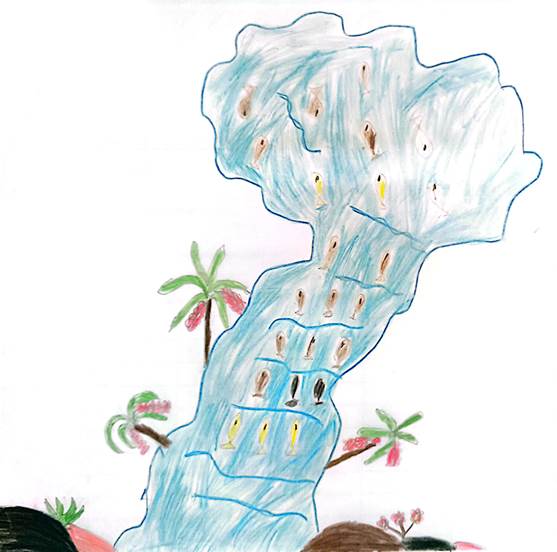
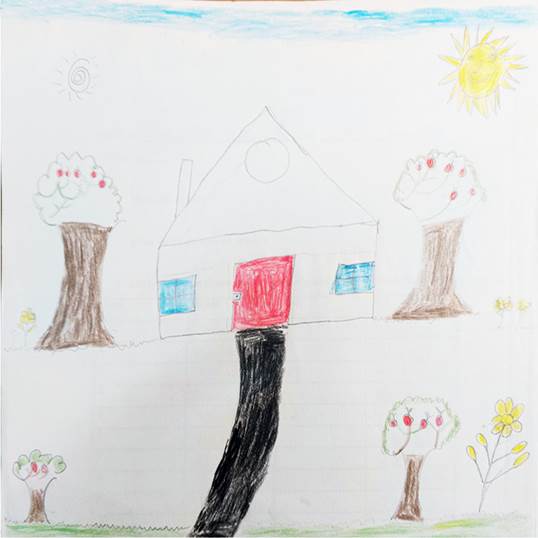
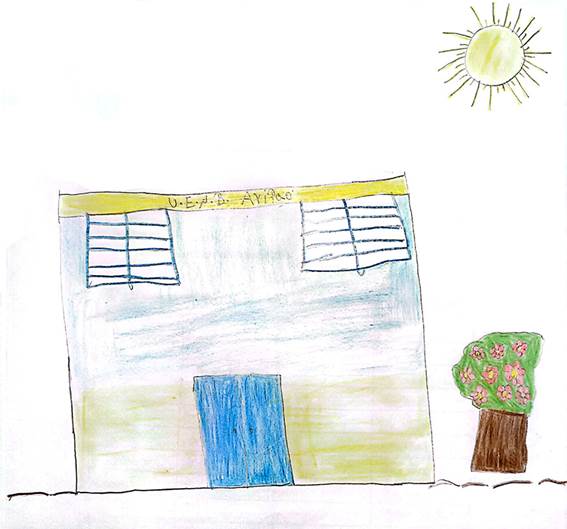
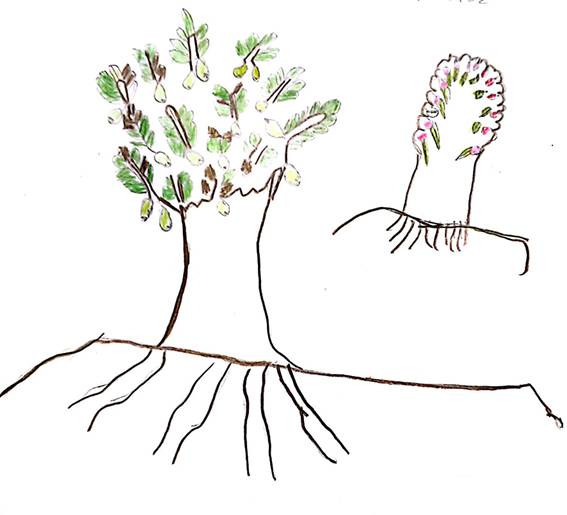
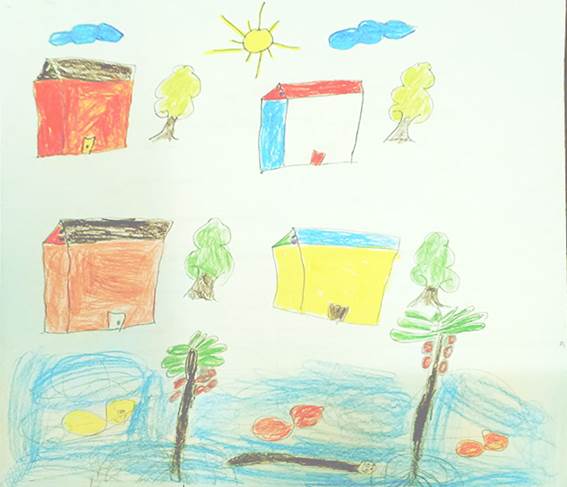
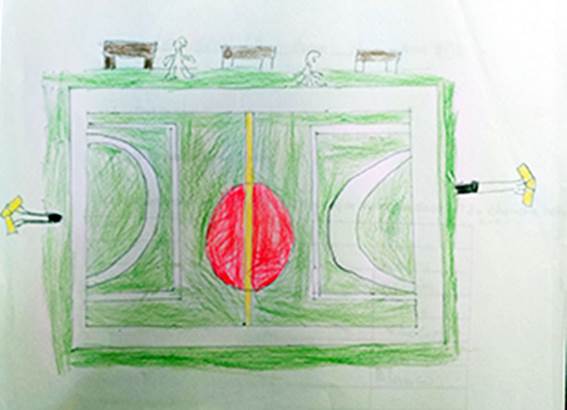
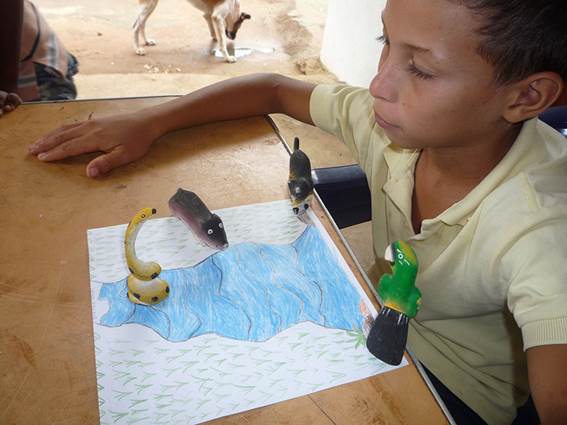
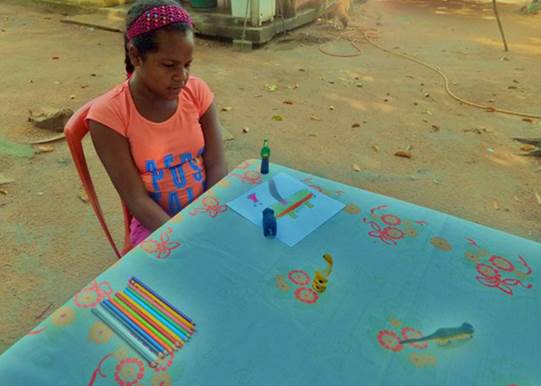
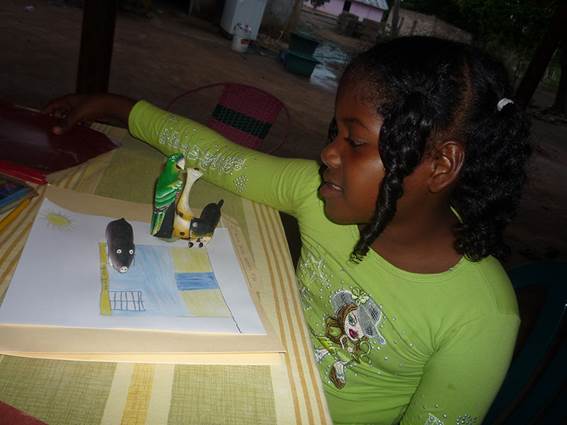
Human beings do not only establish a close relationship with the places of which they belong, but also bestow them with meanings that could represent positive feelings, such as a sense of belonging, or negative ones, such as a feeling of anguish or fear. The purpose of this article is to present the results obtained from a preliminary study conducted on the meanings that the Aripaeño children attribute to their hometown, known as Aripao, an Afro-descendant community of maroon descendants, located in the Lower Caura River, Bolívar State, Venezuela. We consider that the participation of children in this type of studies is important as they are active agents in the construction of their own physical and cultural environment. We argue that the meanings the Aripaeño children assigned to Aripao as 'sense(s) of place', whether to the town as a whole or to a particular site in it, represent their own perceptions and attitudes, and are culturally revealing as these express close ties of historic-cultural roots as well as an ethnic-racial identity with their community.
Keywords:
sense(s) of place; historic-cultural roots; ethnic-racial identity; children; Afro-Venezuelans
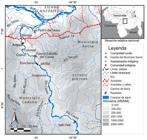 Thumbnail
 Thumbnail
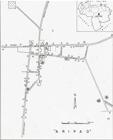 Thumbnail
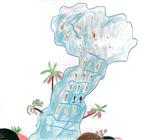 Thumbnail
 Thumbnail
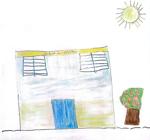 Thumbnail
 Thumbnail
 Thumbnail
 Thumbnail
 Thumbnail
 Thumbnail
 Thumbnail
 Thumbnail
 Thumbnail
 Thumbnail
 Thumbnail