Dignity, authority, preservation: ethical dilemmas in the bioarchaeological practice in Uruguay
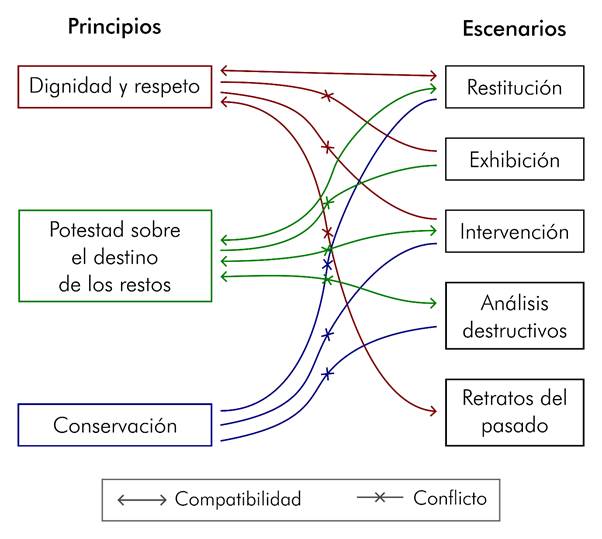
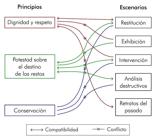
Three basic guiding principles can be found, with variations, in the codes of ethics related to the analysis of ancient human remains: dignified treatment of the remains, authority of the descendants over the fate of the remains, and the guarantee of their conservation. When broadly formulated, these principles conflict with each other and with various situations that arise in research practice, especially in the bioarchaeology of the Americas. This paper presents a series of practical scenarios related to bioarchaeological practice in Uruguay (where there is no code of ethics for work with human remains) to account for characteristics of the Uruguayan reality that may serve to guide the resolution of ethical dilemmas in the future. The application of the principle of dignity is highly contingent on the situation and the context, and ultimately results in three recommendations: careful handling of the remains, avoiding as far as possible their public exhibition, and archaeological intervention in threatened sites. Regarding the authority over the fate of remains, compliance in Uruguay involves a still incipient dialogue with a range of indigenous groups, and the elaboration of a series of ethical recommendations regarding pre-Hispanic skeletal remains, for which there is no specific legal framework. Finally, conservation is considered crucial both for its academic implications and its significance for the sustainability and local development of the discipline.
Keywords:
ancient human remains; ethical principles; bioarchaeological practice
 Thumbnail
 Thumbnail
 Thumbnail