Objects-person among the tének of the Huasteca potosina, México
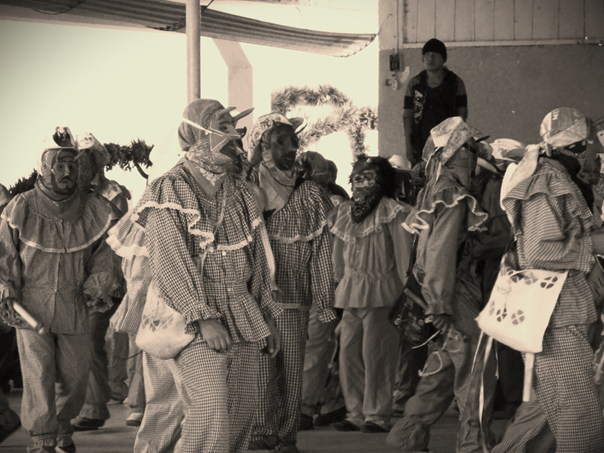
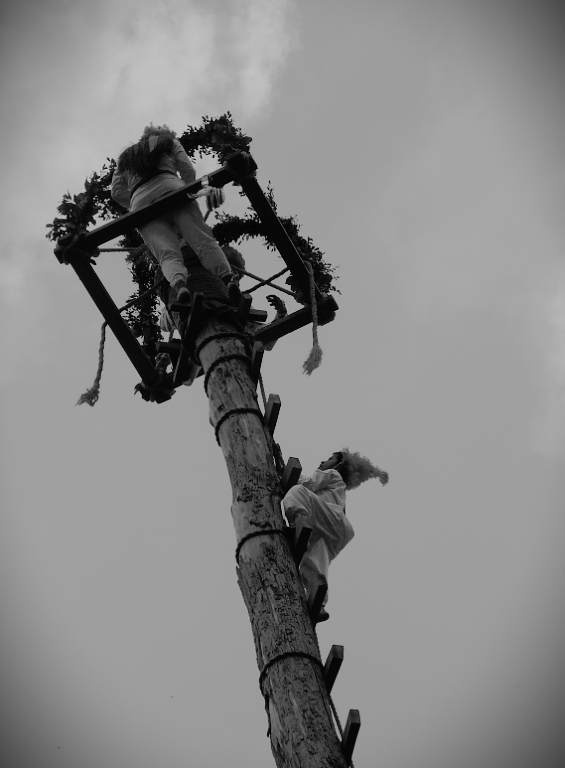
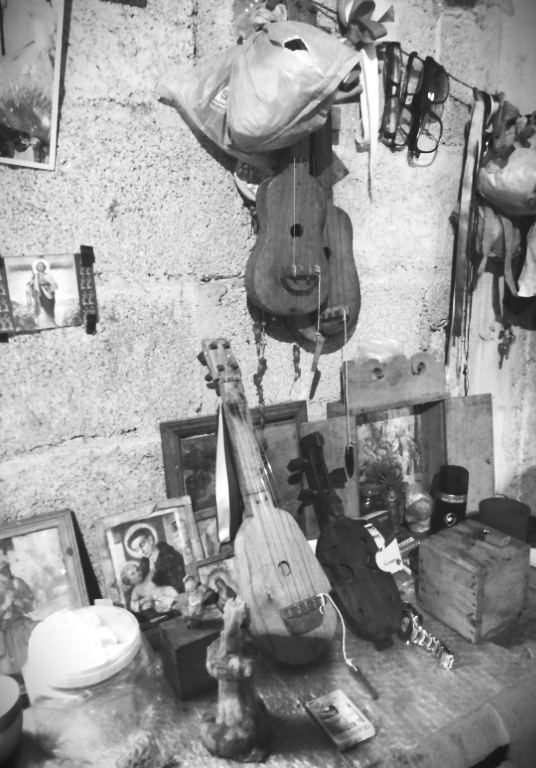
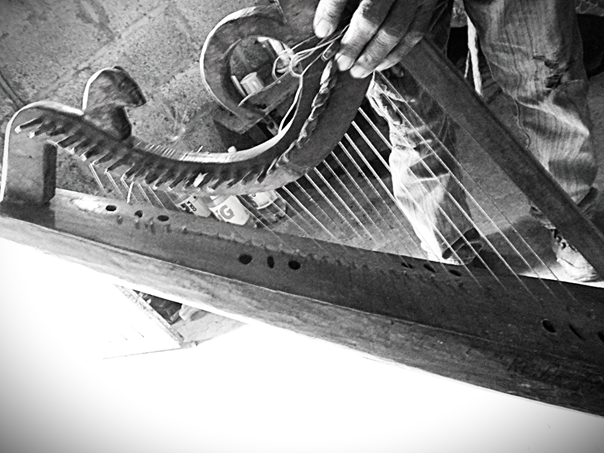
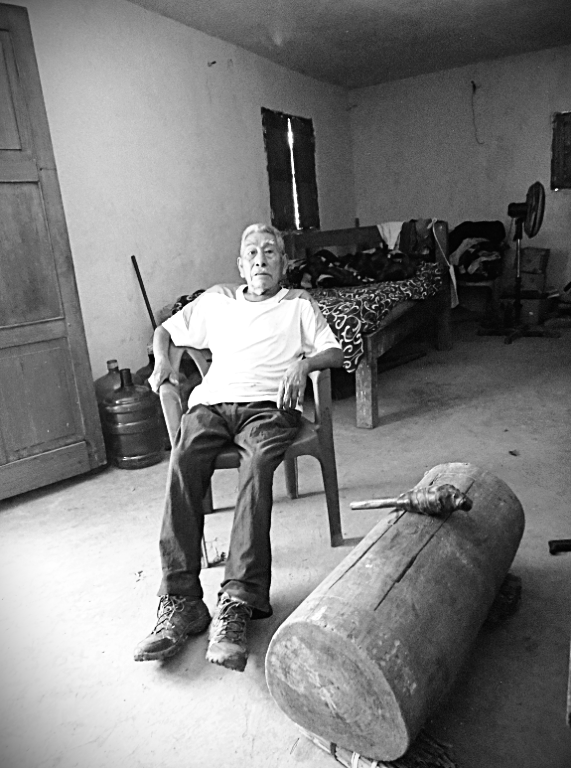
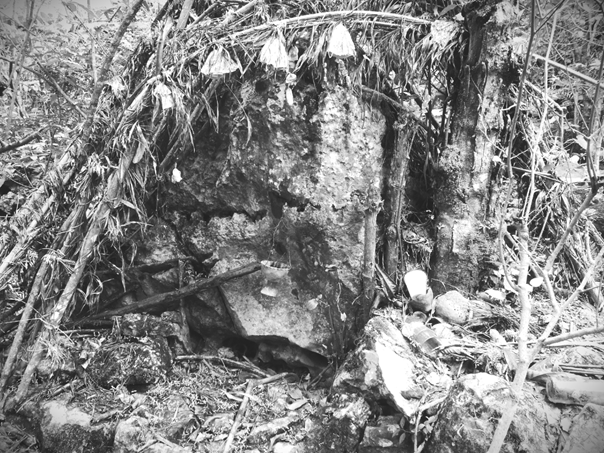
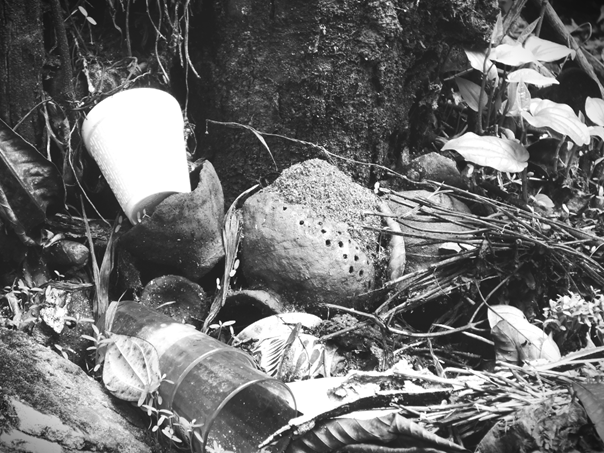
This article analyzes how certain objects from the Tének communities of the Huasteca potosina (Mexico) are conceived and treated as entities with human attributes. The study focuses on the ritual processes through which these objects come to be considered possessing humanity: they are infused with life force, a form of coexistence is established, and, after their use in ritual and community life, they are granted «rest». Examples examined include the devil masks used in Holy Week dances; the tecomate made for the Dance of the Flyers; the musical instruments used in traditional sones (harps, jaranas, teponaztle); the ceremonial arches dedicated to the deceased; and the clay incense burners, fundamental to Tének rituality.
Following the proposals of Viveiros de Castro (2002), is argued that these objects possess a spirit, endowing them with intentionality and subjectivity like human consciousness. From this approach, the interaction between people and objects is understood from an animistic ontology, defined, in general terms, by the similarity of interiorities and the diversity of physicalities (Descola, 2012, p. 190).
Keywords:
humanity; rituality; strength; spirit; tének
 Thumbnail
 Thumbnail
 Thumbnail
 Thumbnail
 Thumbnail
 Thumbnail
 Thumbnail