World Breastfeeding Week: presences and absences in the Brazilian campaign
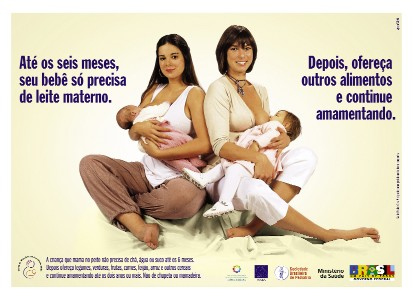
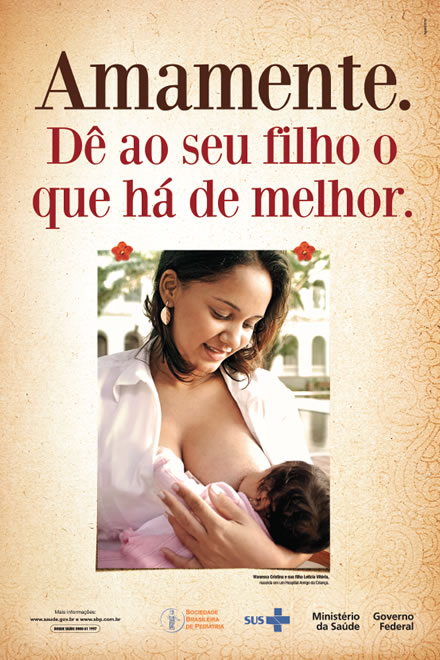
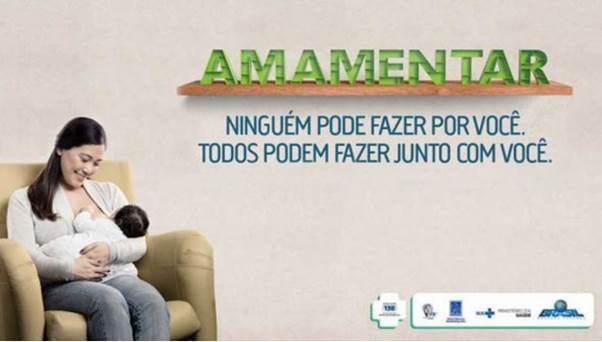
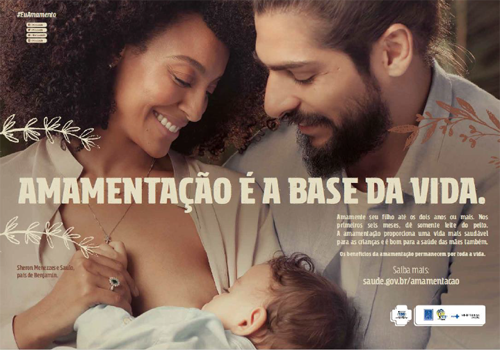
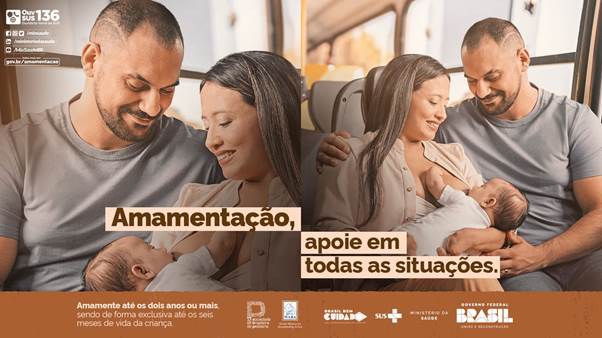
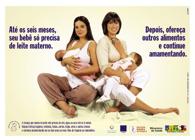
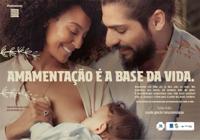
Increasing exclusive breastfeeding rates for up to six months and continued breastfeeding for up to two years or more is a goal of several health agencies and governments, including Brazil's. Biomedical discourse seeks to demonstrate that the benefits of breastfeeding are universal and positively impact public health, the economy, and the environment. However, breastfeeding is a practice influenced by biological, social, cultural, economic, and political factors and subject to diverse contexts and experiences. One of the strategies used to increase breastfeeding rates is World Breastfeeding Week, during which materials are produced to raise awareness of the importance of encouraging, supporting, and protecting breastfeeding. We aim to analyze the communication materials produced over 30 years, focusing on their presence and absence. We assume that communication can influence perceptions and practices and that campaigns construct meanings, requiring attention to the context and diversity of their interlocutors. We analyzed the materials based on references from the field of health communication, in dialogue with perspectives on the care economy. Initially focused on mothers and babies, the materials gradually included fathers, healthcare professionals, and greater ethnic and racial diversity, with a recent emphasis on people with disabilities and families in vulnerable situations. Despite advances in representation, challenges remain regarding the excessive responsibilities of women and the absence of families that deviate from the cisheteronormative model.
Keywords:
breastfeeding; World Breastfeeding Week; health communication
 Thumbnail
 Thumbnail
 Thumbnail
 Thumbnail
 Thumbnail