Epidemiological profile in poisoning with antidepressants cases received at the Poison Information and Advice Center (Centro Información y Asesoramiento Toxicológico) in Uruguay between 2010 and 2012
Introduction: Depression is one of the main global causes of disability. National data showed that 10.6% of the population once consumed some kind of antidepressant. It is important to focus on this therapeutic group since, among other aspects, they are frequently involved in cases of poisoning.
Objective: The study aims to describe the epidemiological profile of poisoning with antidepressants of individuals who consulted at the Poison Information and Advice Center (Centro Información y Asesoramiento Toxicológico (CIAT) between 2010 and 2012.
Methodology: Observational, retrospective study whereby consultations for poisoning involving antidepressants recorded in the CIAT between 2010 and 2012, were analysed.
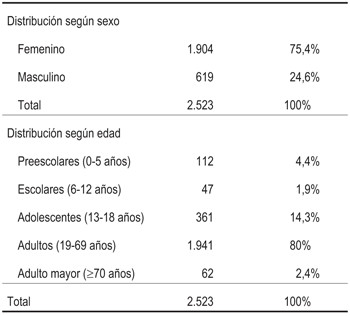
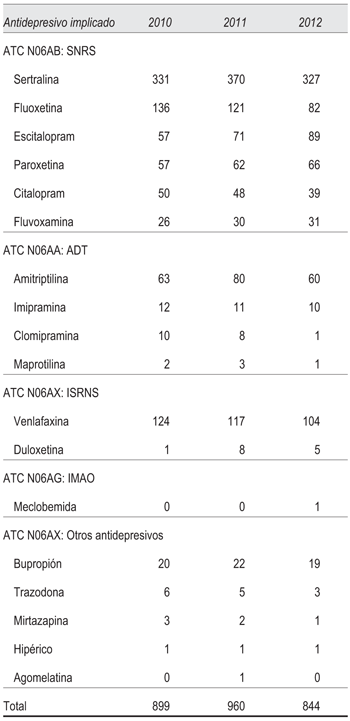
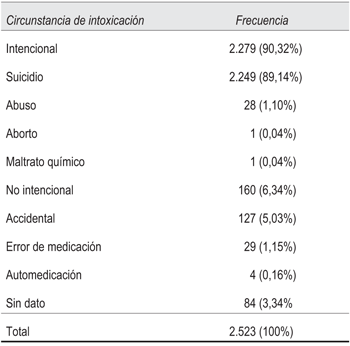
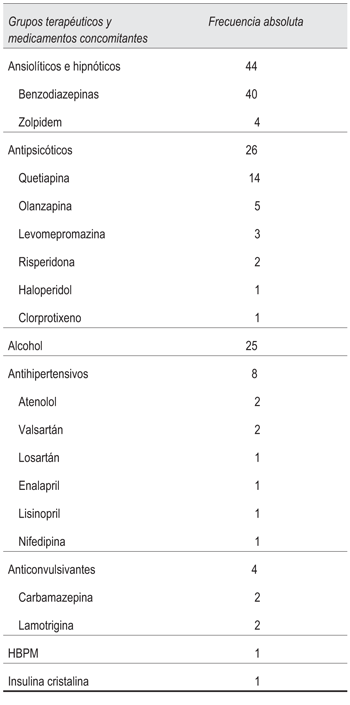
Results: 32565 poisoning consultations were received in the period under the study. Antidepressants were the causing poisoning agent in 2523 cases 7.7%. Most cases of poisoning occurred in female patients (75.4%), adults (79.3%), and were intentional in 90% of cases. The most frequently involved antidepressant was sertraline (38%). All cases of severe poisoning (54, accounting for 2.1%) involved more than one drug. Only one death was recorded.
Conclusions: The profile of poisoning with antidepressants in Uruguay, between 2010 and 2012 is similar to that reported in international series and supports the already known risk of second generation antidepressants. Despite figures being low, we point out the exposure of the population younger than 18 years old, in particular younger than 5 years old, to these drugs, what calls for characterization.
Key words:
Antidepressive agent; Poisoning; Risk factors