Clinical, epidemiological and outcome characteristics of patients with central nervous system tumours at the Hospital Pediátrico Centro Hospitalario Pereira Rossell (2017–2021)
Introduction: Primary central nervous system (CNS) tumors represent the second most frequent cause of cancer in childhood. National data specifically focused on pediatric CNS tumors remain limited.
Objective: To describe the frequency and the clinical, epidemiological, and outcome characteristics of patients under 15 years of age with CNS tumors treated at the Pediatric Hemato-Oncology Service of Pereira Rossell Hospital between 2017 and 2021.
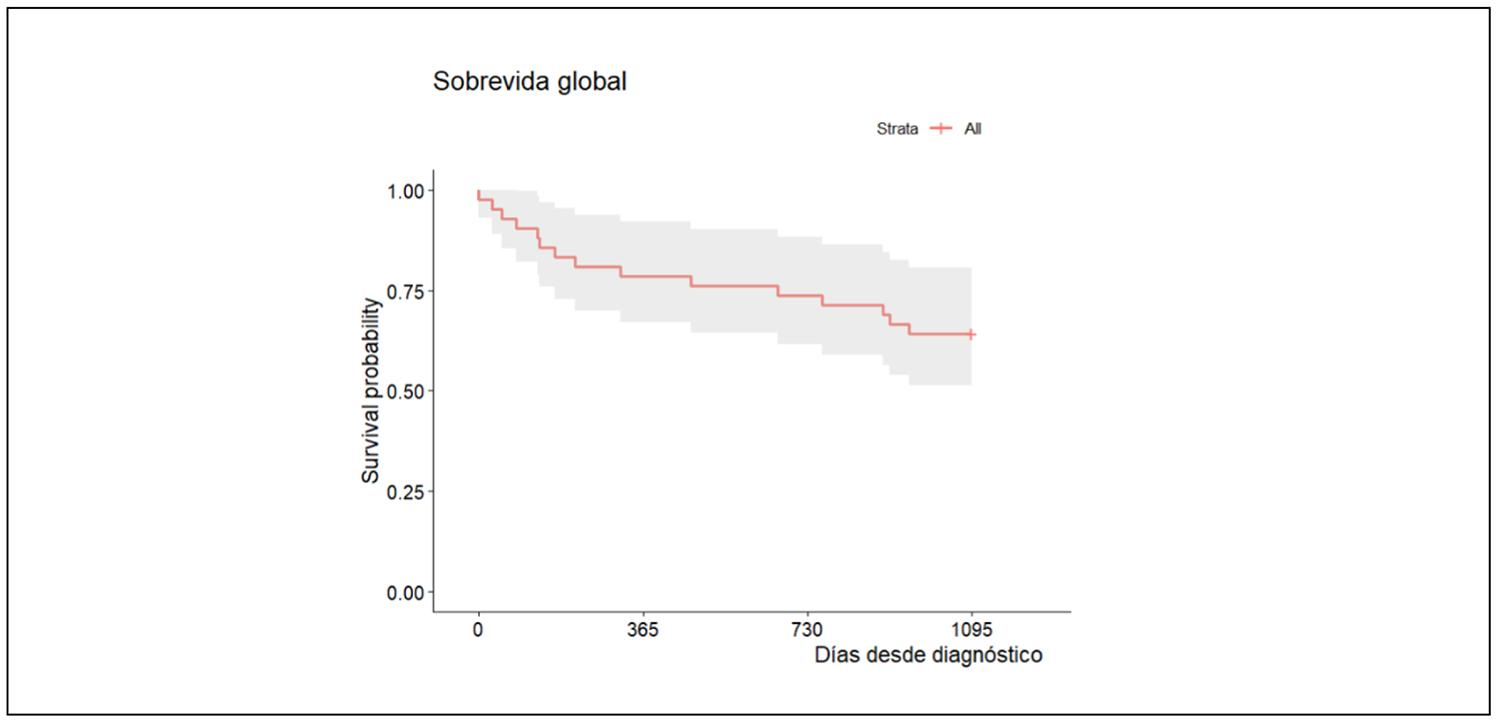
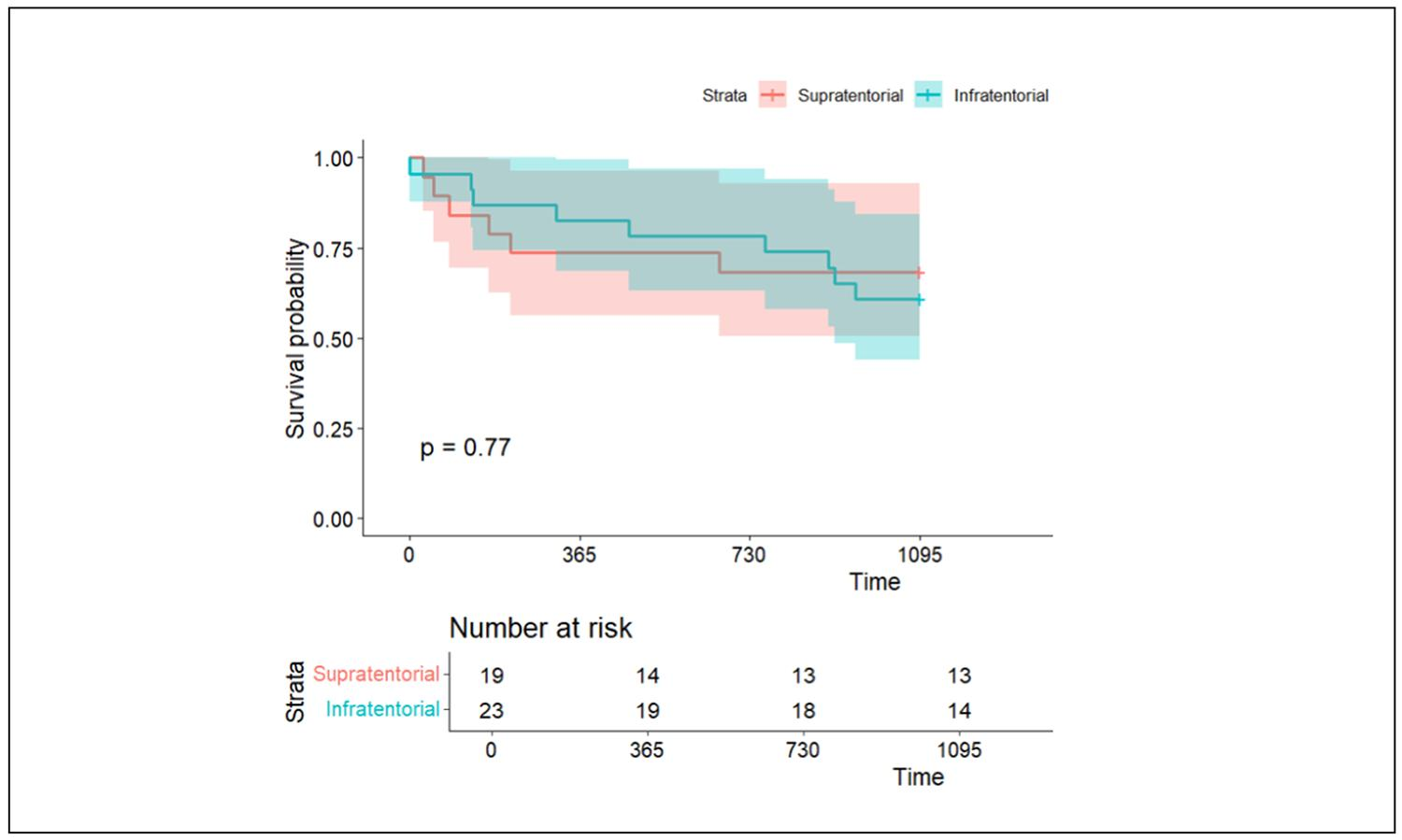
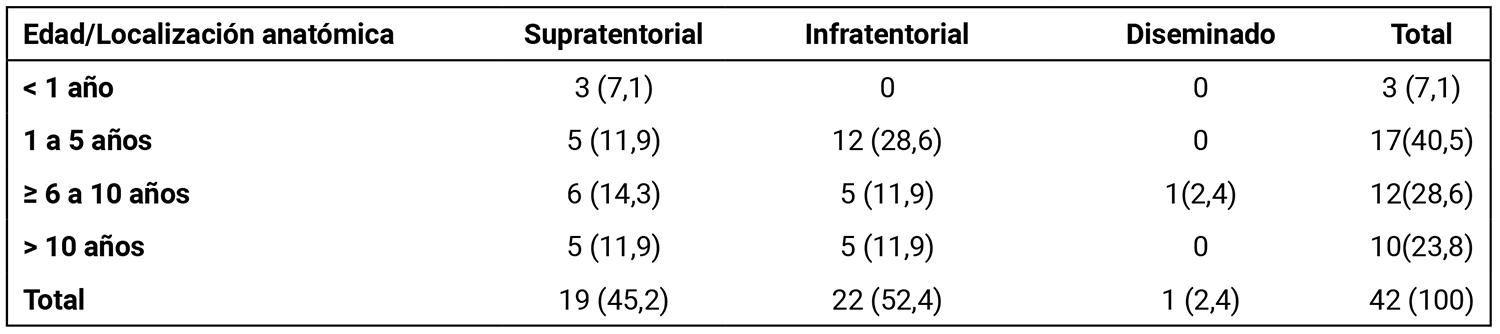
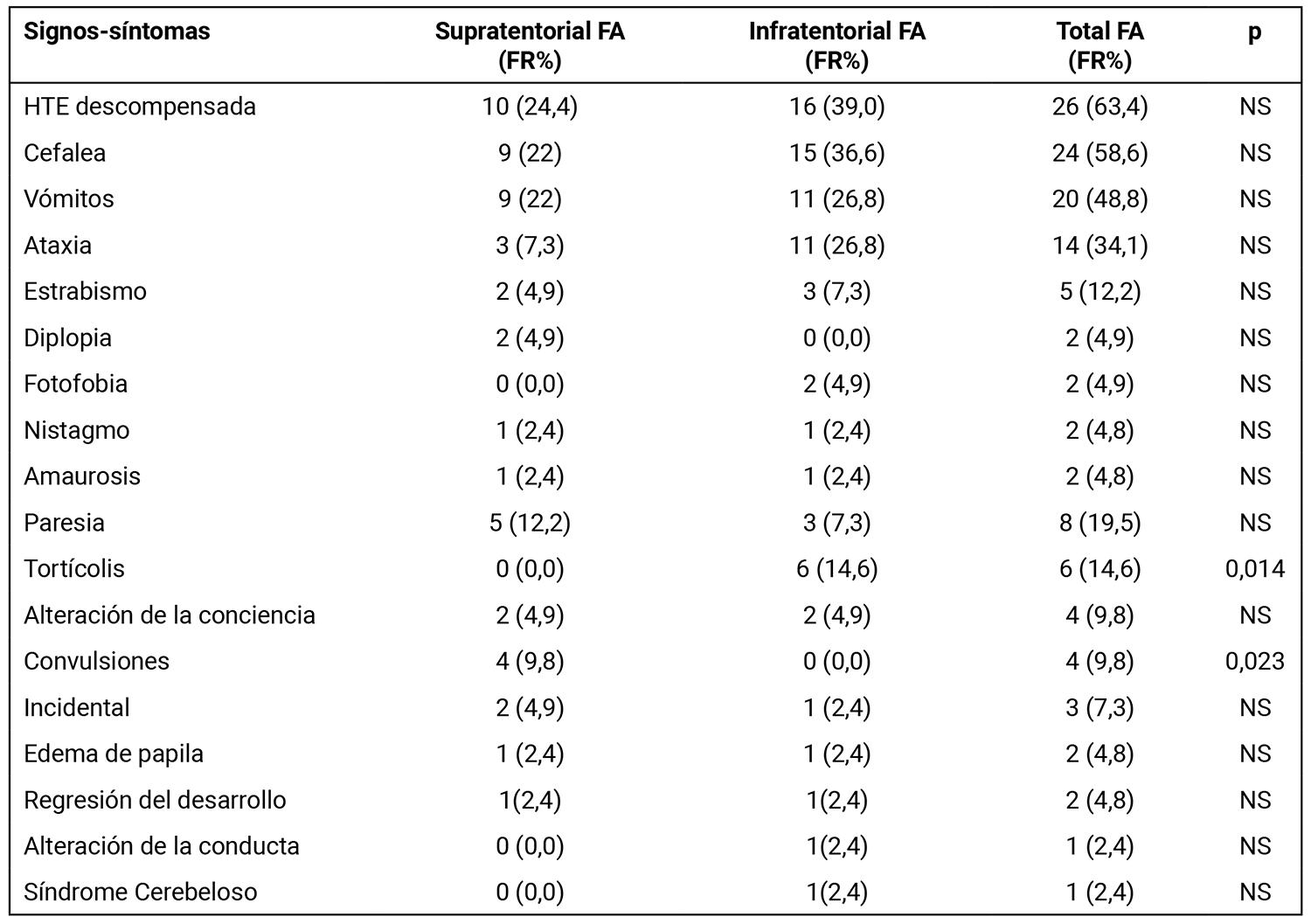
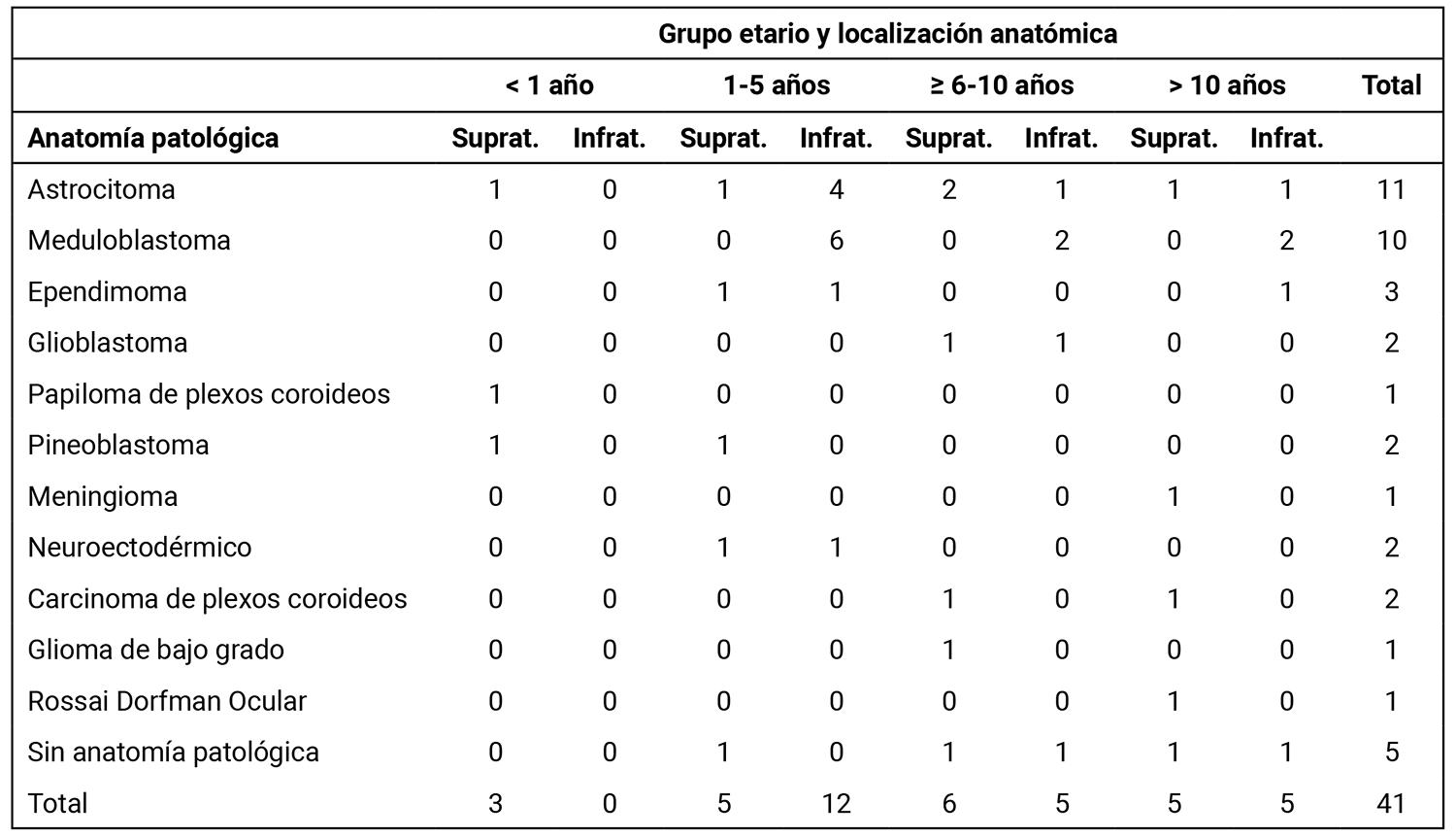
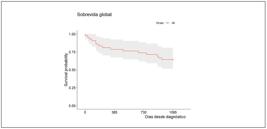
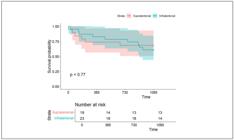
Results: A total of 42 patients were included, 59.5% male, with a median age at diagnosis of 6 years. The most common tumor location was infratentorial (52.4%). The predominant symptoms were headache, vomiting, and decompensated intracranial hypertension. The time from symptom onset to diagnosis ranged from 0 to 365 days (median 16.5). Astrocytomas (26.2%) and medulloblastomas (23.8%) were the most frequent histological types. Treatment included surgery in 85.7% of cases, chemotherapy in 55%, and radiotherapy in 29%. Overall survival at three years was 62.5%, with no significant differences according to tumor location.
Discussion: The epidemiological profile observed is consistent with international series. This study provides the first national description and highlights the need to optimize diagnostic times, incorporate molecular studies, and strengthen comprehensive follow-up, focusing not only on survival but also on quality of life.
Keywords:
Brain neoplasms; Central nervous system; Central nervous system tumors; Pediatrics
 Thumbnail
 Thumbnail