Non-ballistic penetrating cranioencephalic trauma in the prison population: a diagnosis to consider
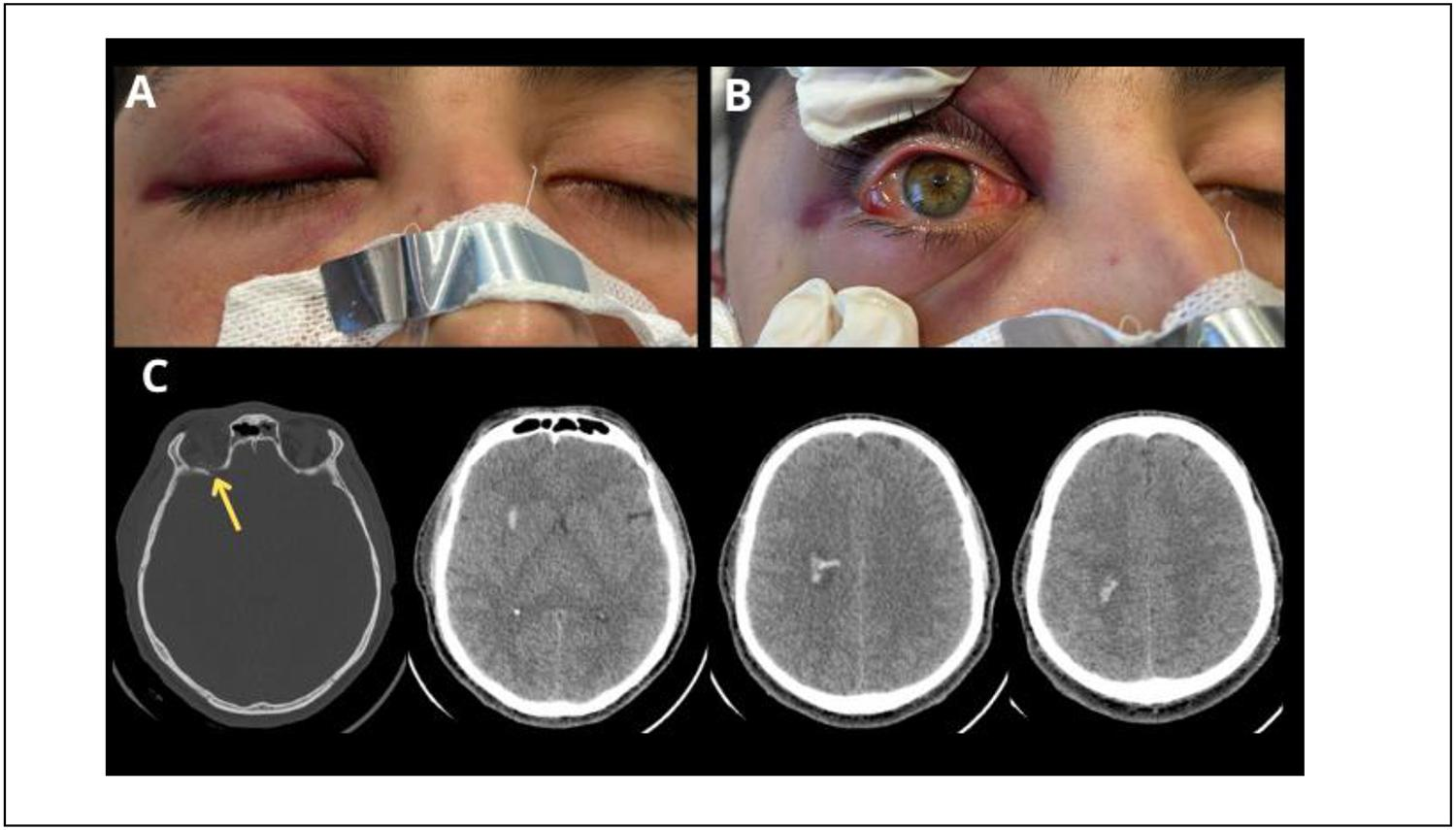
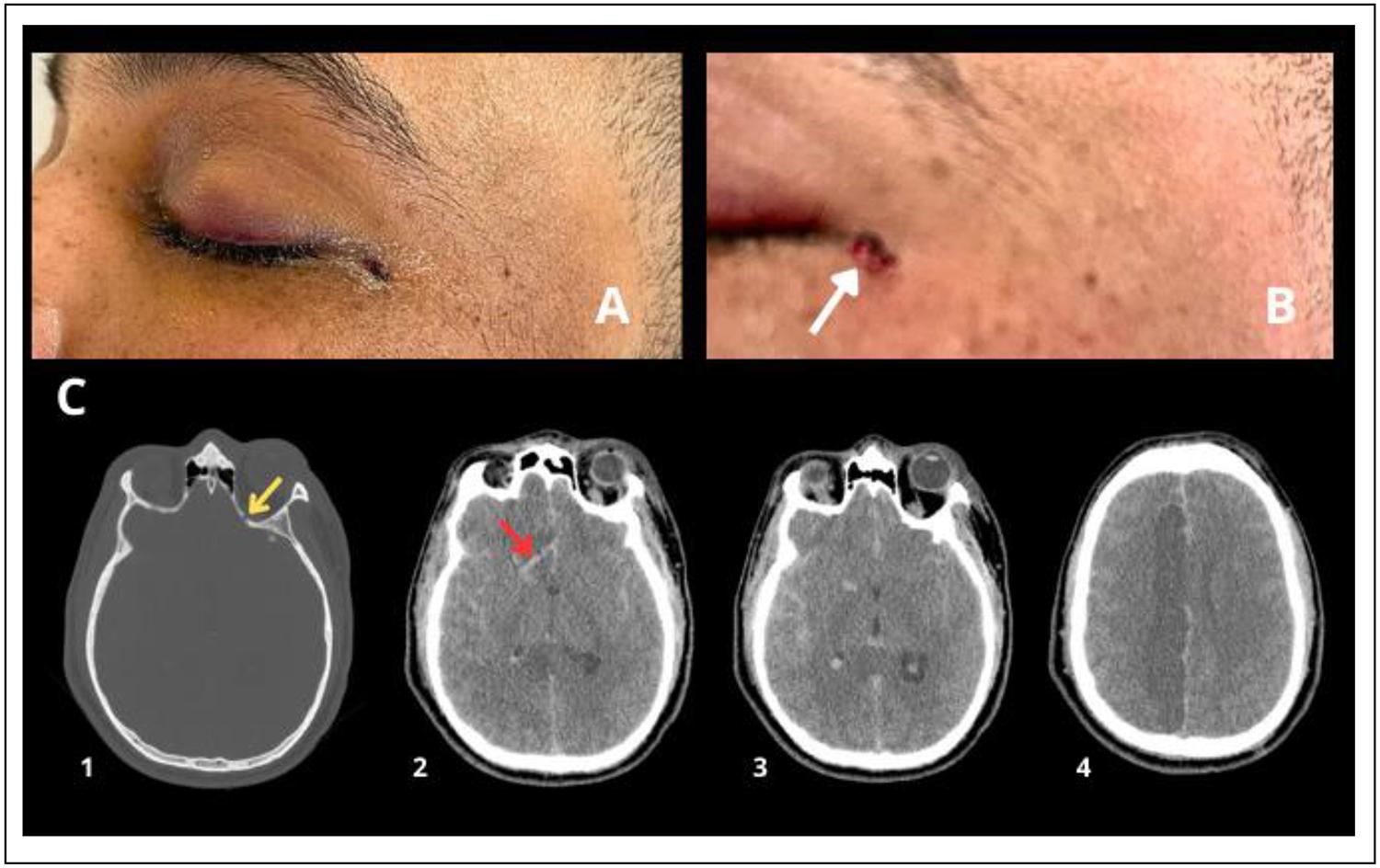
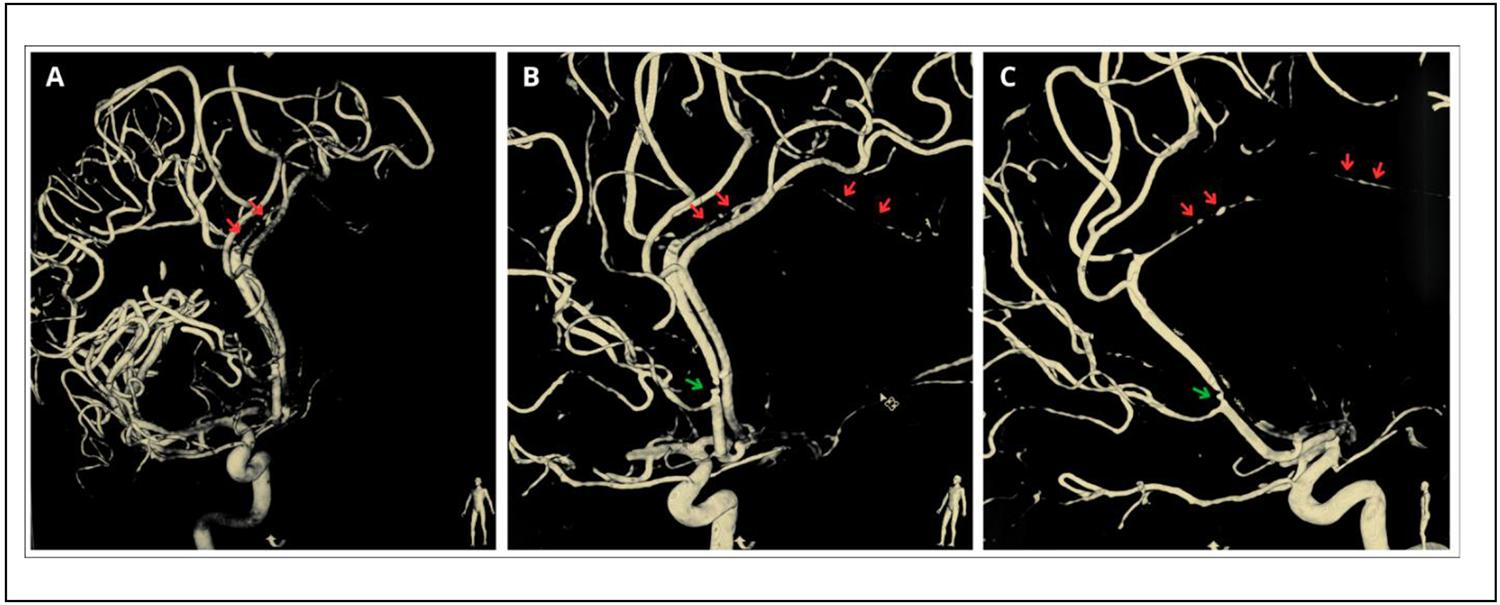
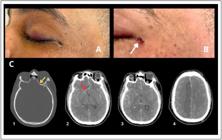
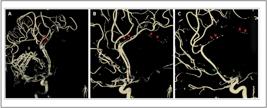
Non-ballistic penetrating cranioencephalic trauma is a rare condition in the general population, but its incidence is increasing in prison settings due to intra-prison violence and the use of improvised bladed weapons. We present two cases of incarcerated individuals with transorbital penetrating cranioencephalic trauma, in whom minimal external injuries initially went unnoticed, delaying diagnosis. This type of trauma requires a high index of clinical suspicion, timely imaging evaluation, and a multidisciplinary approach to reduce complications and improve patient outcomes.
Keywords:
Penetrating cranioencephalic trauma; Transorbital injury; Cerebral complications; Cerebral angiography; Critical care; Prison healthcare
 Thumbnail
 Thumbnail
 Thumbnail