Evaluation of current evidence on rehabilitation programs in symptomatic peripheral arterial disease: a narrative review
Objective: a narrative review was conducted to analyse the available information with the aim of generating inputs for designing a comprehensive rehabilitation proposal for patients with symptomatic PAD.
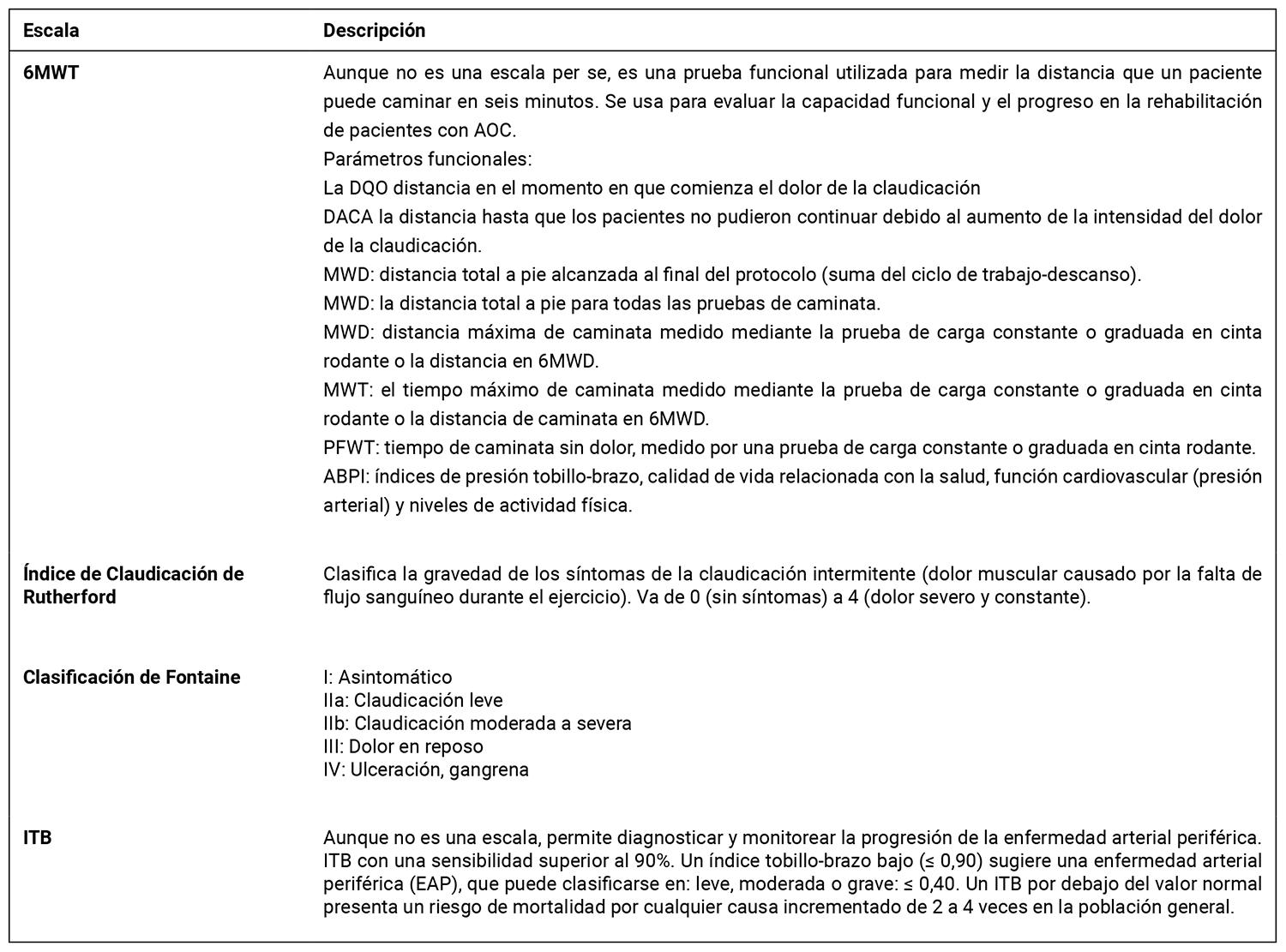
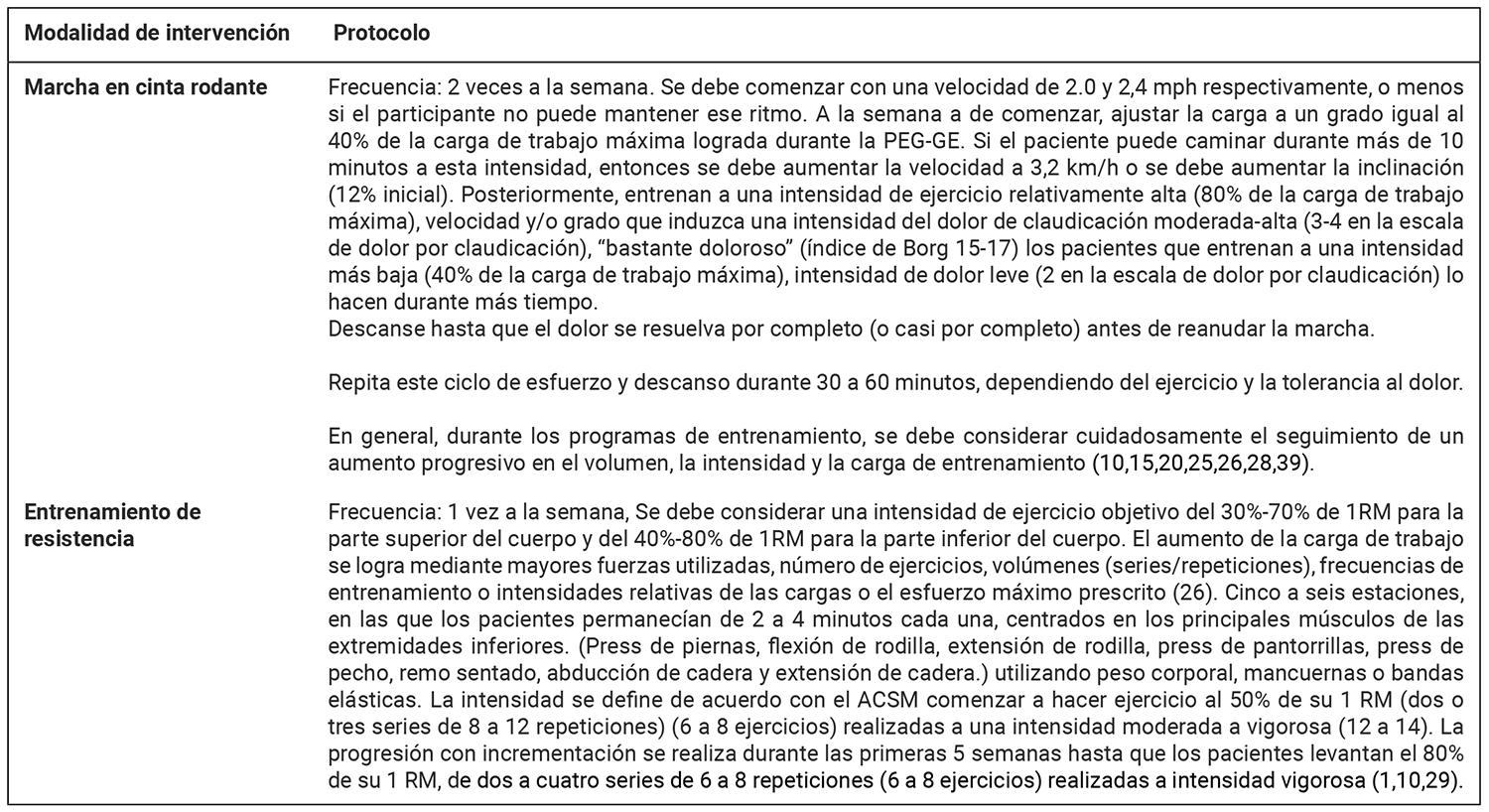
Methodology: the main variables were defined: characteristics of rehabilitation programs, functional assessment instruments and quality-of-life measures. The search was carried out in international biomedical databases (PubMed, Scielo, Cochrane), using key terms such as “peripheral artery disease,” “claudication,” “exercise” and “physical activity.” These were combined with boolean operators (“and,” “or,” “not”), considering publications in English and Spanish between [2006] and [2025]. The search yielded 42 articles, of which 22 were finally selected based on the objectives of the review. As a work strategy, different tables were designed to facilitate comparison among the various programs.
Results: different rehabilitation programs were evaluated, comparing the type of physical exercise, duration of treatment, frequency, session duration, training intensity and the scales used to measure outcomes.
Conclusions: supervised multimodal training combining treadmill walking with limb strengthening is the best intervention to improve symptoms and quality of life. The most sensitive functional tests and scales are: the Gardner Maximal graded treadmill test, the 6-Minute Walk Test, the claudication pain scale, RPE, and the short forms SF-36 and WIQ.
Keywords:
Peripheral arterial disease; Physical activity; Claudication; Rehabilitation; Exercise; Protocol