Exploring the relationship between structural and functional parameters in skeletal muscle: a study in healthy volunteers
Background: Skeletal muscle is the most relevant tissue in body biomechanics. Its structure can be assessed using ultrasound, while muscle quality can be estimated through force generation capacity using dynamometry or Dinabang®.
Objective: To investigate the relationship between skeletal muscle quality and structure in muscle groups of healthy volunteers.
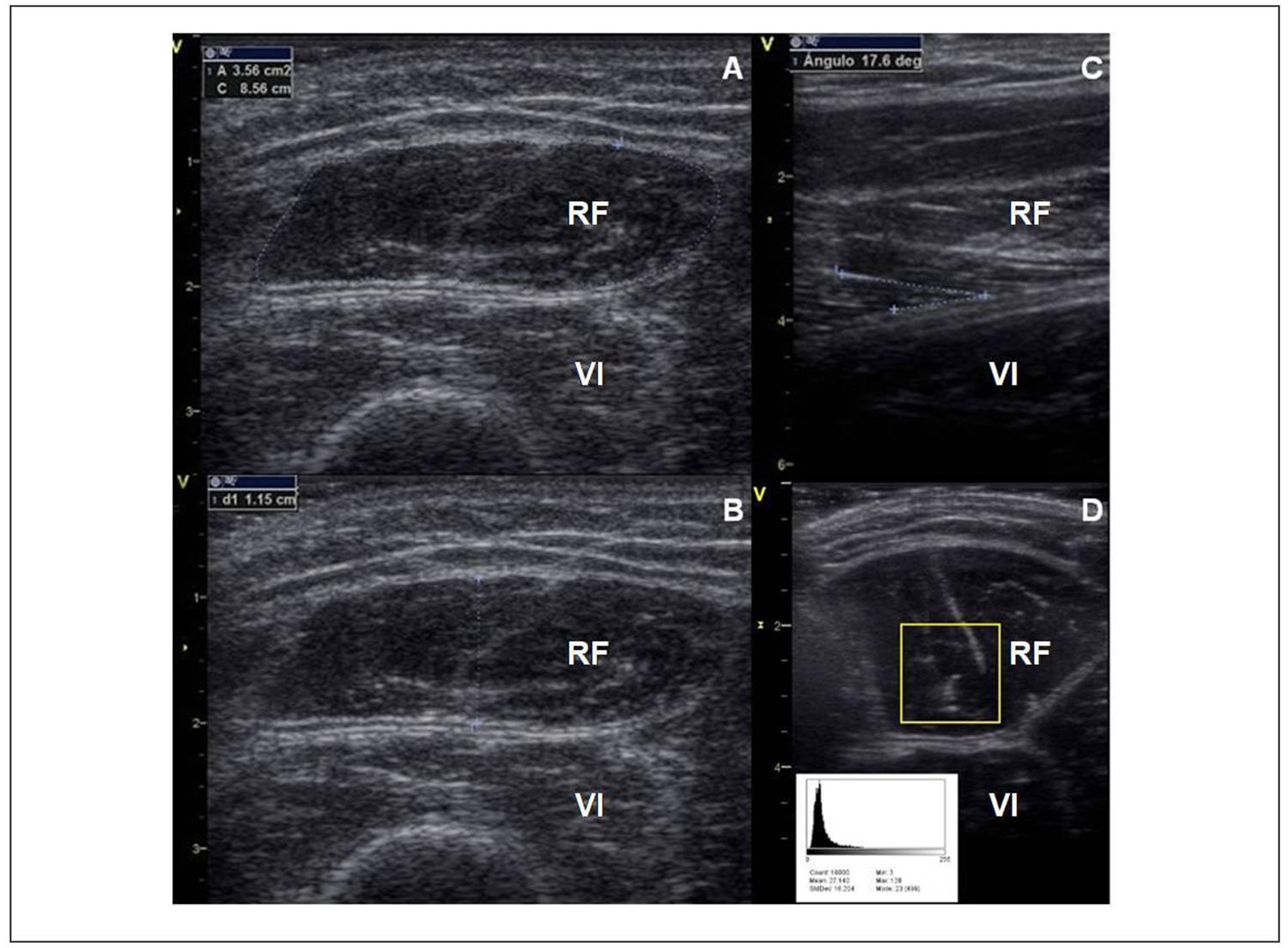
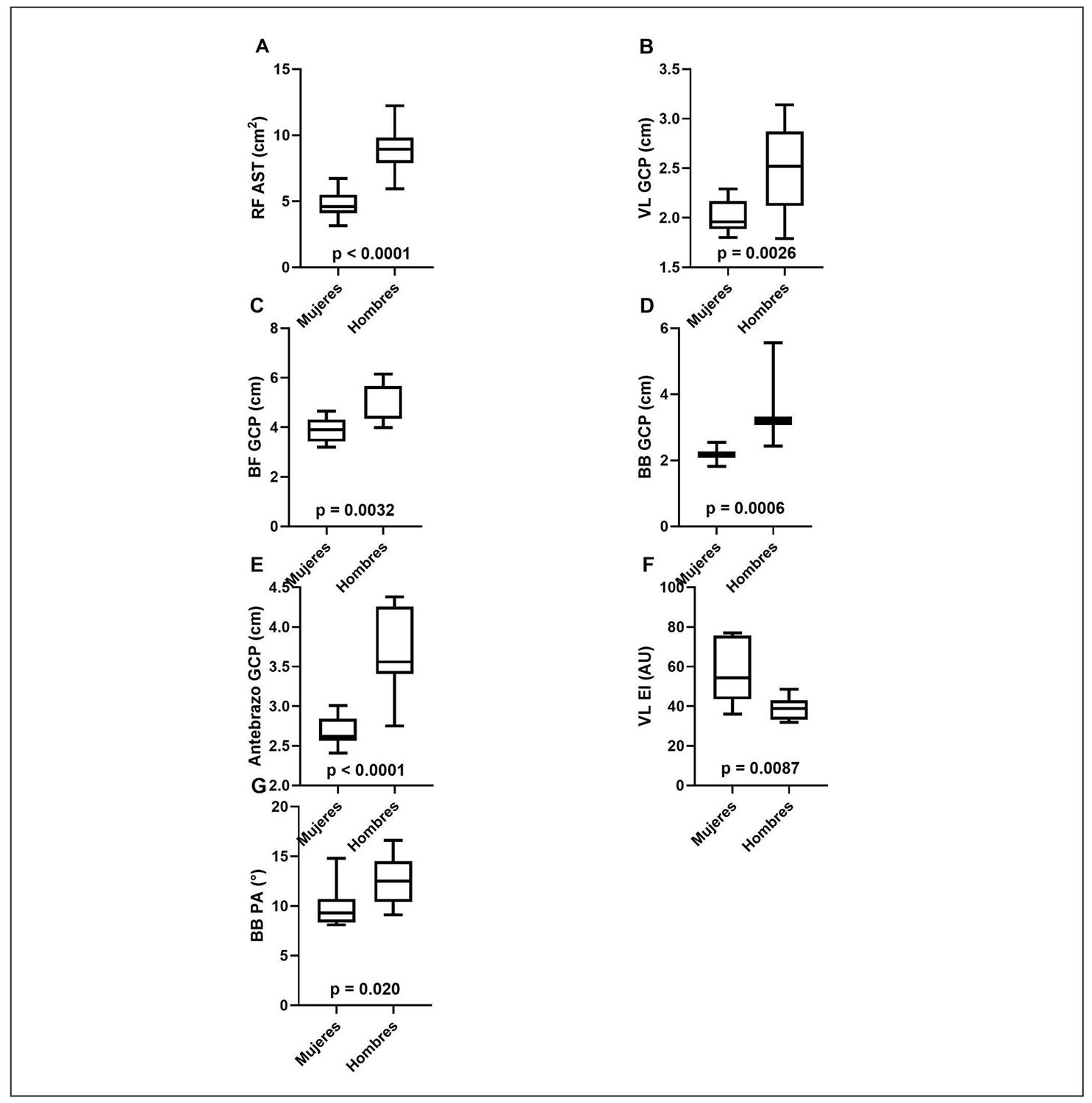
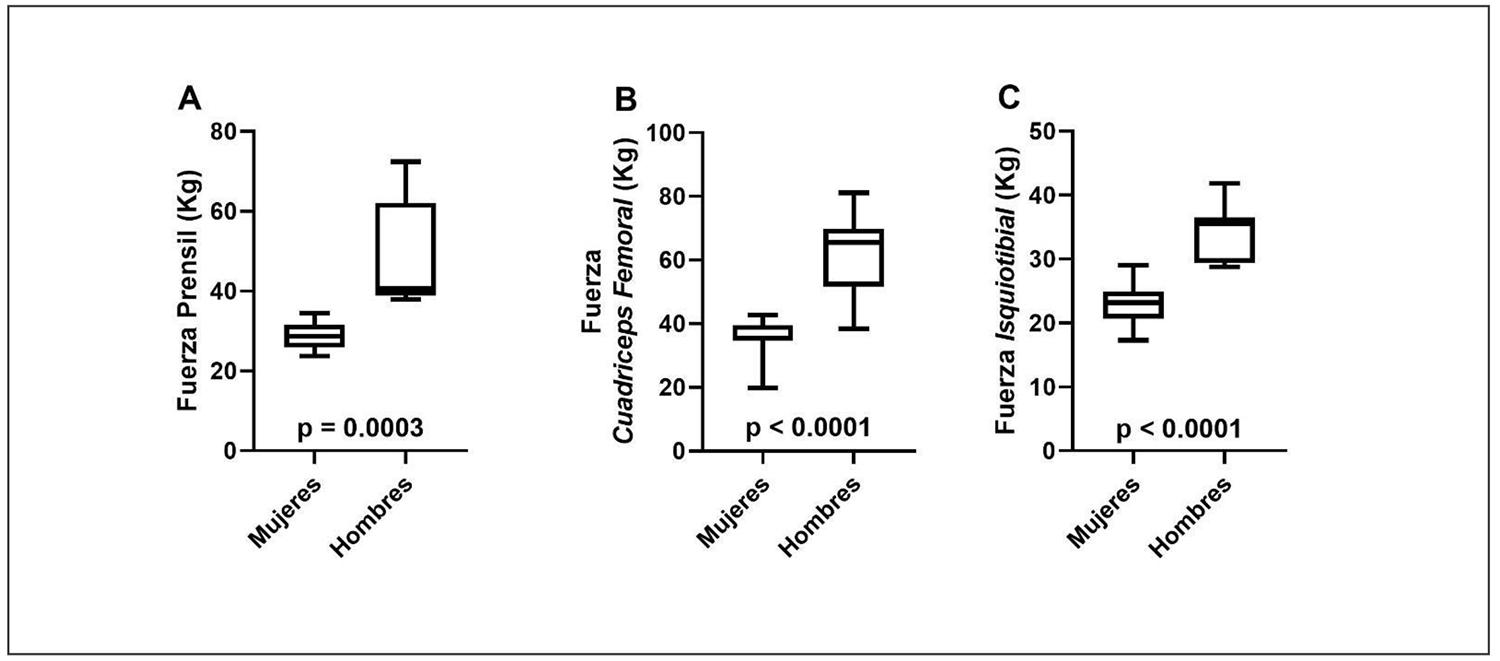
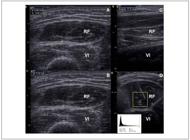
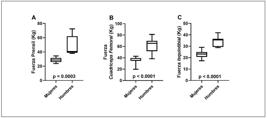
Methods: Twenty healthy volunteers were recruited. Anthropometric variables were obtained using a specific digital scale. Ultrasound was used to measure muscle thickness, cross-sectional area, pennation angle, and echo intensity of the rectus femoris, vastus lateralis, biceps femoris, biceps brachii, and forearm muscle layer. Muscle strength was evaluated using a handgrip dynamometer and a Dinabang®.
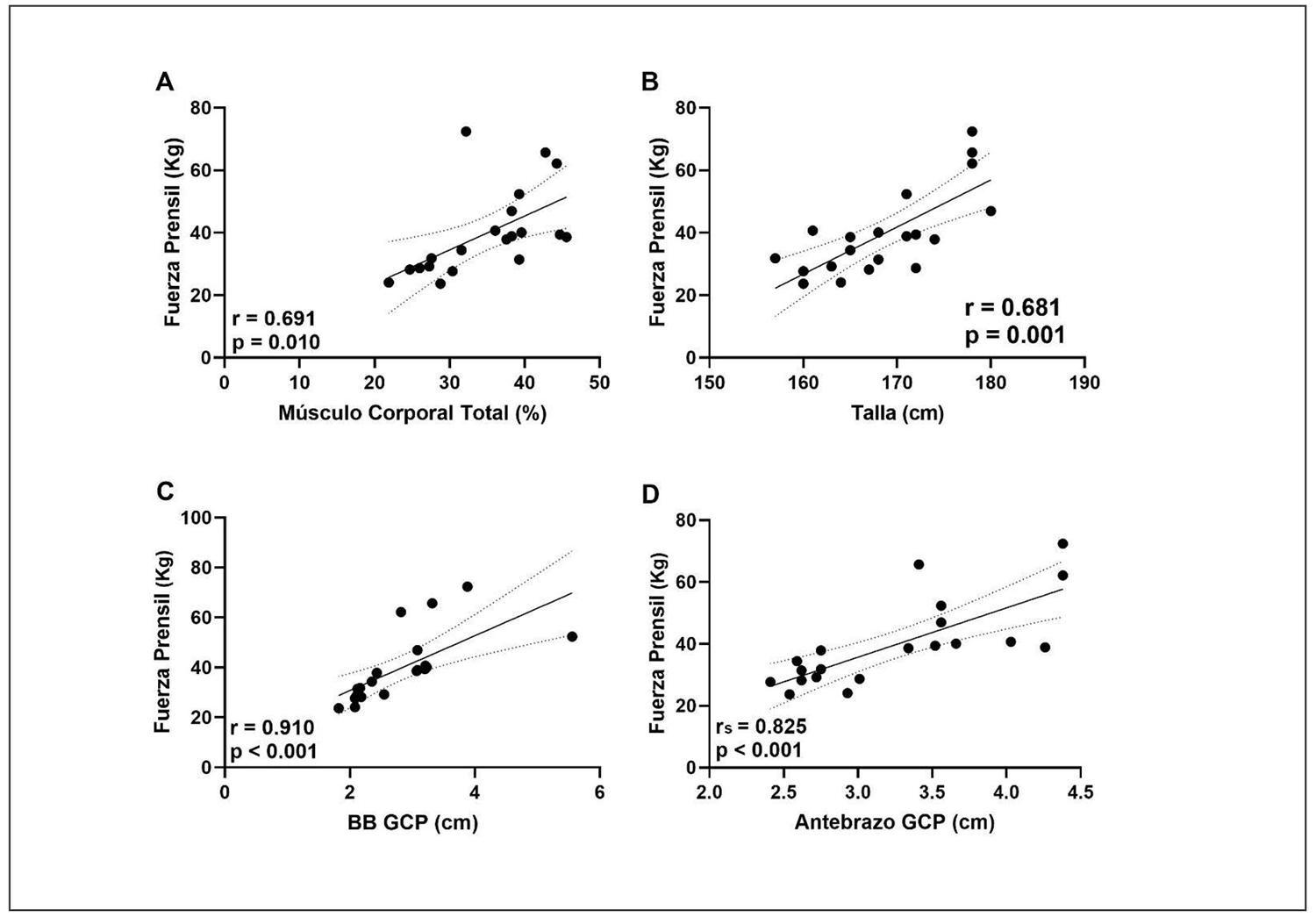
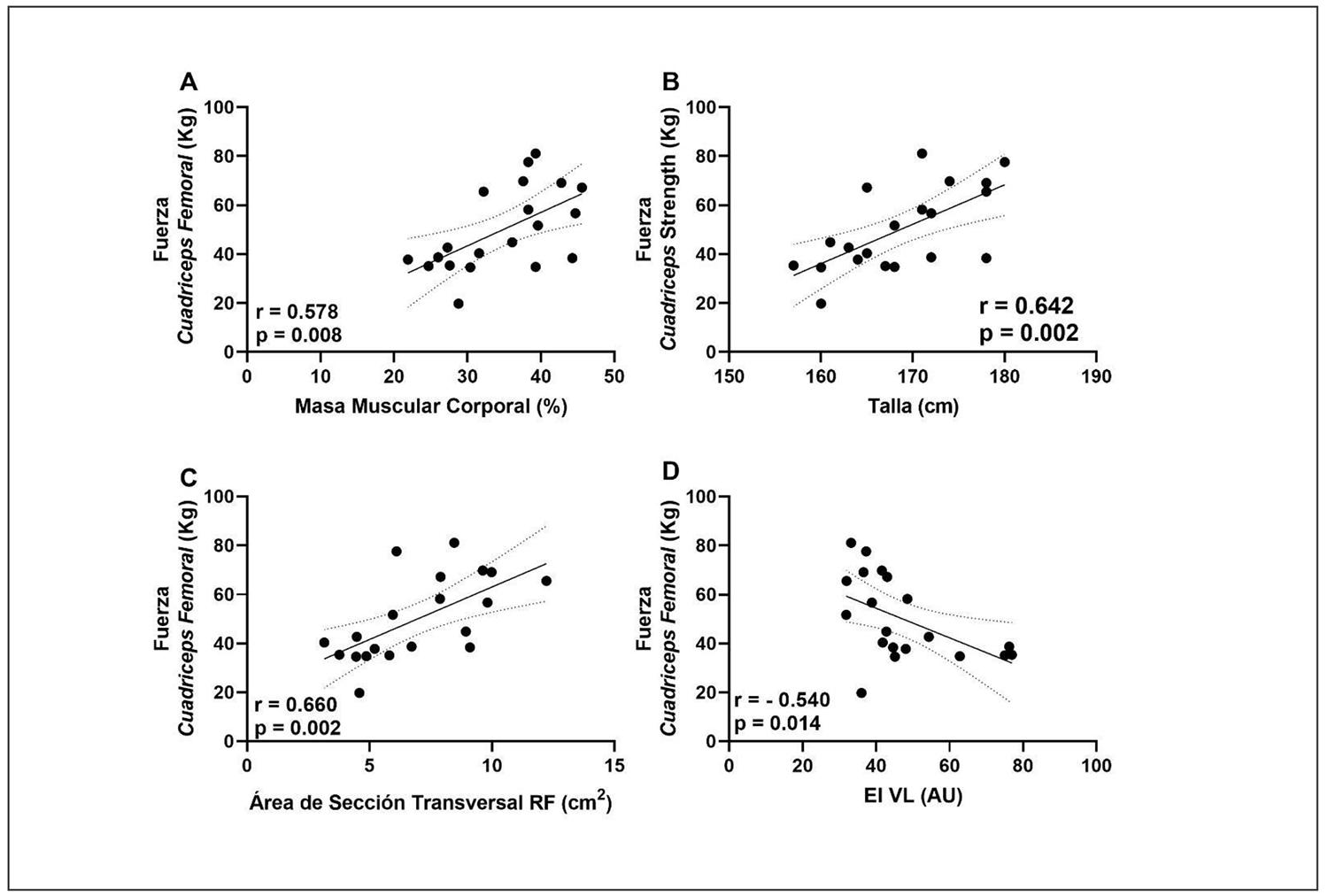
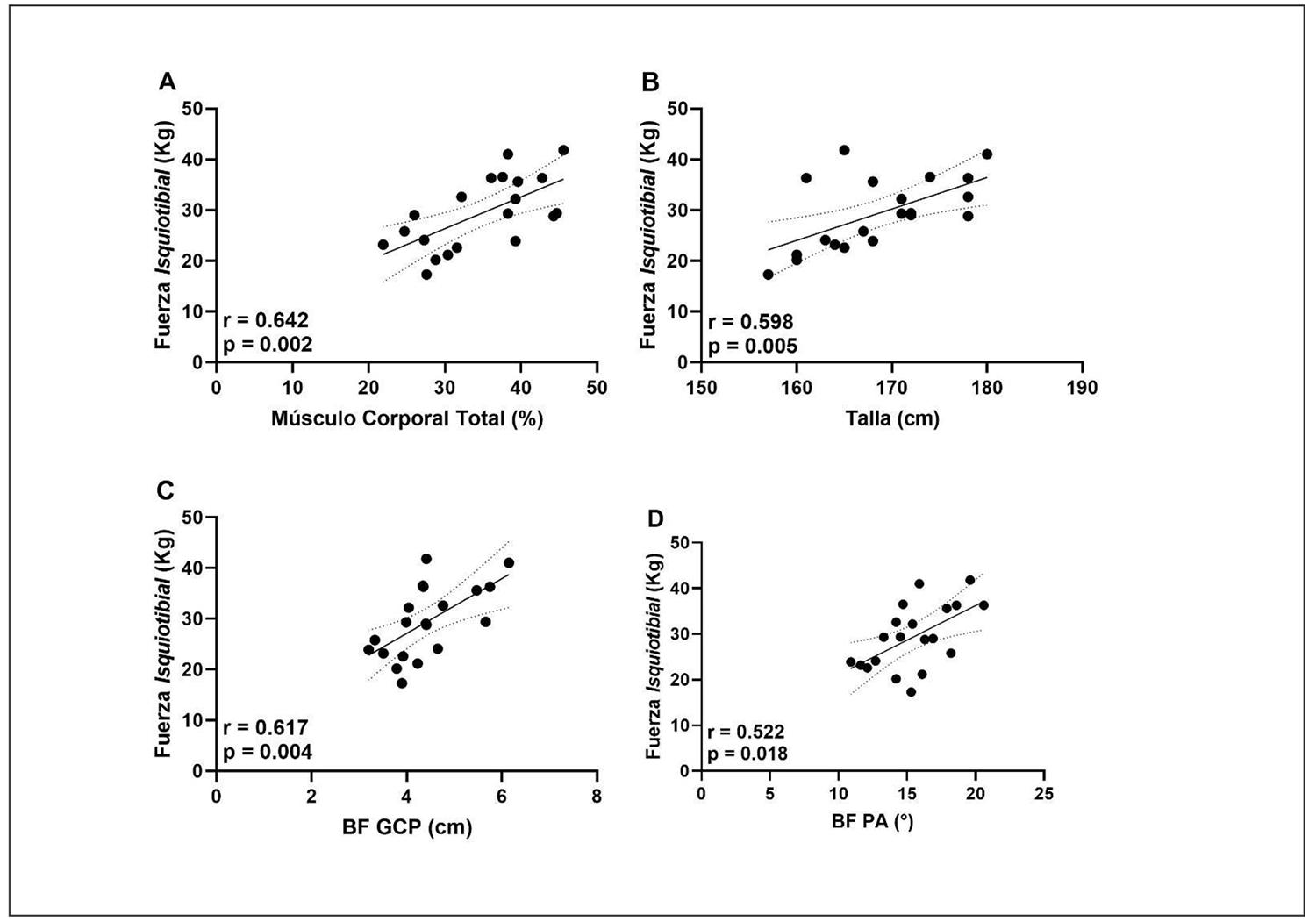
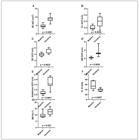
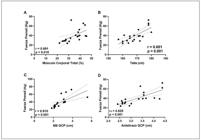
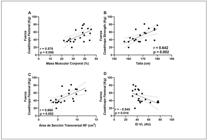
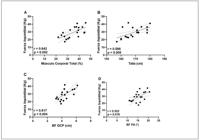
Results: Handgrip strength correlated with biceps thickness (rho = 0.910, P < 0.001) and forearm thickness (rho = 0.825, P < 0.001). Quadriceps strength correlated with the cross-sectional area of the rectus femoris (rho = 0.660, P = 0.002) and its muscle thickness (rho = 0.578, P = 0.008), and inversely with the echo intensity of the vastus lateralis (rho = −0.540, P = 0.014). Hamstring strength correlated with biceps femoris thickness (rho = 0.667, P = 0.001) and pennation angle (rho = 0.522, P = 0.018).
Conclusions: In all studied groups, a correlation was found between functional and structural parameters. Although further research is needed, ultrasound emerges as a reliable tool for inferring muscle function.
Keywords:
Skeletal muscle; Ultrasonography; Muscle strength; Quadriceps muscle; Hamstring muscles
 Thumbnail
 Thumbnail
 Thumbnail
 Thumbnail
 Thumbnail
 Thumbnail