Therapy with 177Lu-PSMA-617 in the treatment of patients with hormone-resistant metastatic prostate cancer: first experience in Uruguay
Introduction: 177Lu-PSMA-617 is a novel radioligand therapy used in patients with metastatic castration-resistant prostate cancer.
Objectives: To assess the feasibility, response, efficacy, and safety/toxicity profile of 177Lu-PSMA-617 treatment in this patient population.
Materials and Methods: Between October 2017 and February 2022, 19 patients (age: mean 67.8 years; PSA: mean 287 ng/mL) received 177Lu-PSMA-617 therapy. We evaluated clinical response, treatment response, adverse events, and dosimetry.
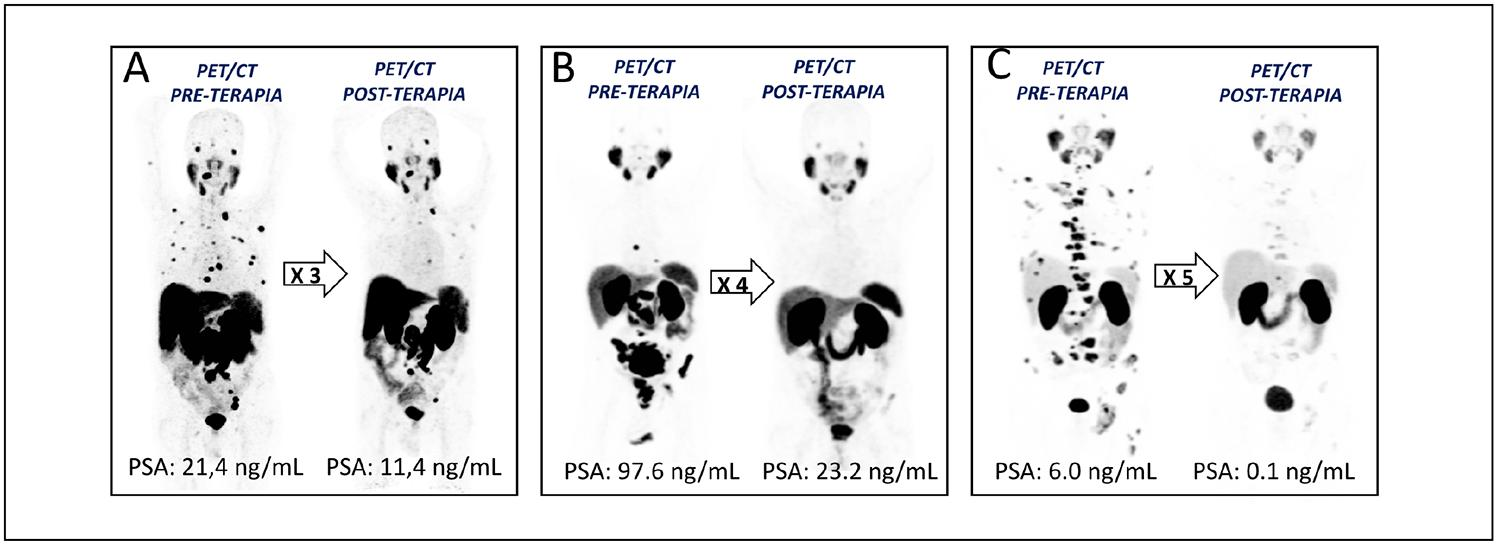
Results: All patients received between 1 and 5 cycles (mean activity 7.1 GBq per cycle) every 6–8 weeks (1 cycle n=3, 2 cycles n=1, 3 cycles n=13, 4 cycles n=1, and 5 cycles n=1). 15 patients (79%) completed three cycles of therapy. Prior to treatment, all patients showed PSMA-avid metastatic lesions on 68Ga-PSMA-11 PET/CT. Regarding PSA response, 5 patients showed a biochemical response, 3 patients had stable disease, and 7 patients showed progressive disease. 7 of 15 patients (46.6%) showed some reduction in PSA levels. In patients who completed three or more cycles, PET/CT showed disease progression (n=9) and partial remission (n=5). We documented pain relief and/or reduced analgesic use (n=9), xerostomia (n=2), nausea (n=3), fatigue (n=6), and thrombocytopenia (n=2). No hepatotoxicity or nephrotoxicity was observed. The safety of 177Lu-PSMA-617 for non-target tissues was confirmed, with mean absorbed doses (Gy) below the recommended limits for critical organs.
Conclusions: We conclude that 177Lu-PSMA-617 therapy is a safe and well-tolerated therapeutic option for patients with metastatic castration-resistant prostate cancer (mCRPC), with a positive impact on patients’ quality of life.
Keywords:
Metastatic castration-resistant prostate cancer; Theragnostics– diagnostic; 68Ga-PSMA-11; 177Lutetium-PSMA-617; PET/CT
 Thumbnail