Invasive infections by multidrug-resistant bacteria in hospitalized children under 15 years of age: Centro Hospitalario Pereira Rosell, 2018-2022
Introduction: In recent years, an increase in infections caused by multidrug-resistant (MDR) bacteria has been observed worldwide.
Objective: To describe the frequency and the microbiological and clinical characteristics of hospitalised children under 15 years of age at Centro Hospitalario Pereira Rossell (CHPR) with invasive bacterial disease (IBD) caused by MDR bacteria between 1 January 2018 and 31 December 2022.
Methodology: Observational, retrospective study. Patients with MDR bacterial isolates identified in microbiological studies were included.
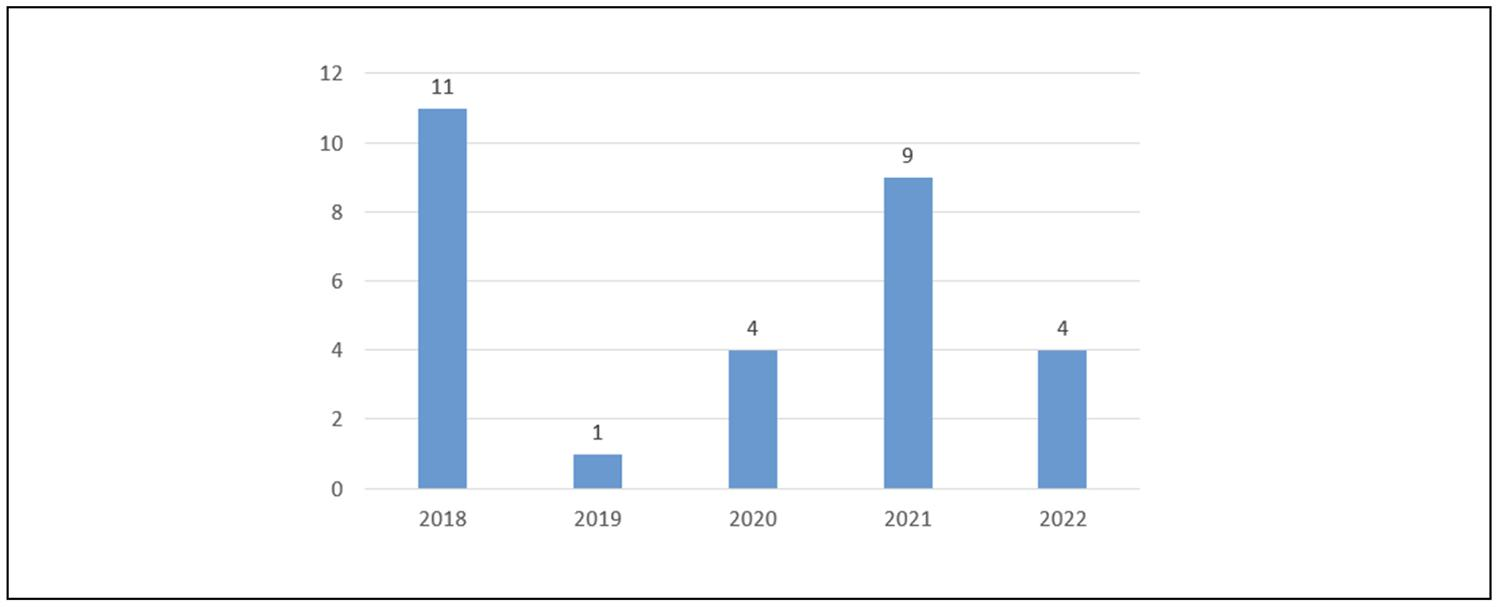
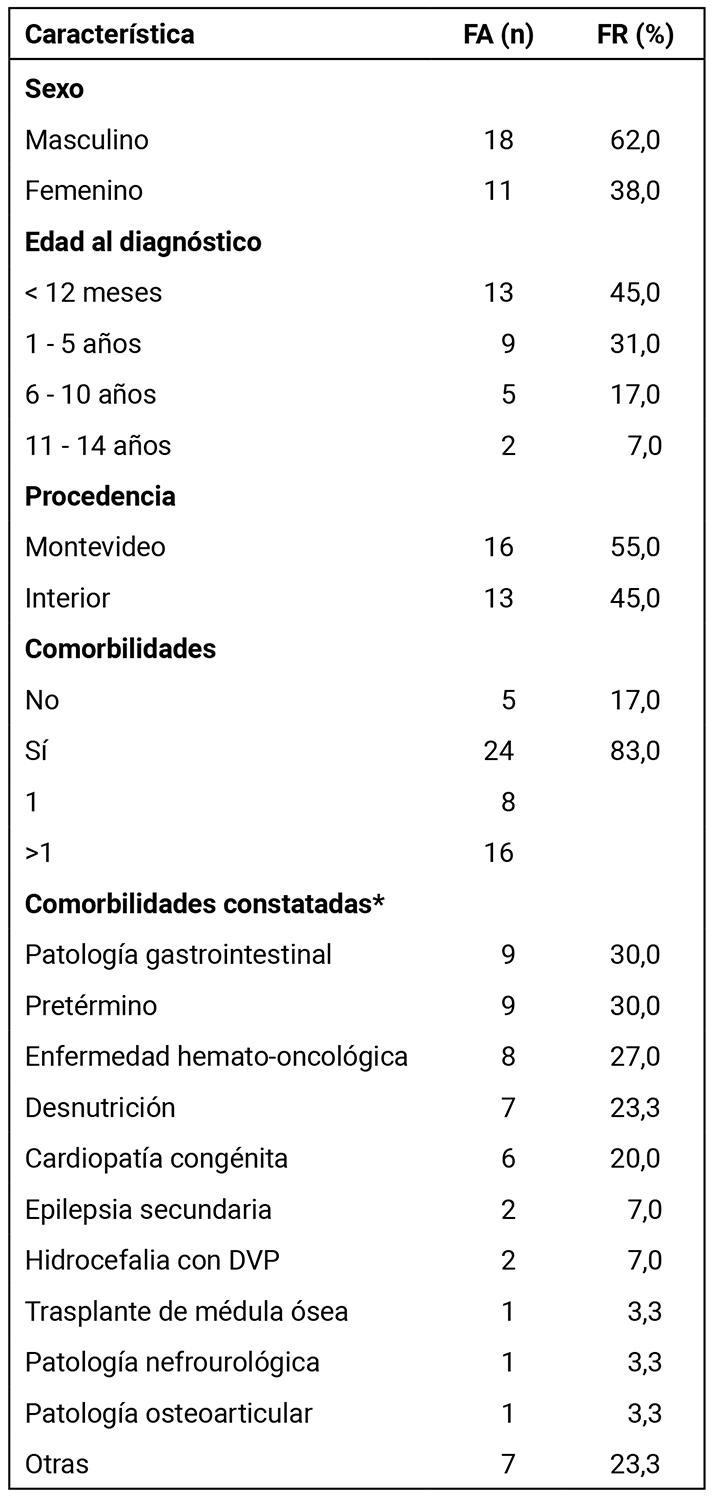
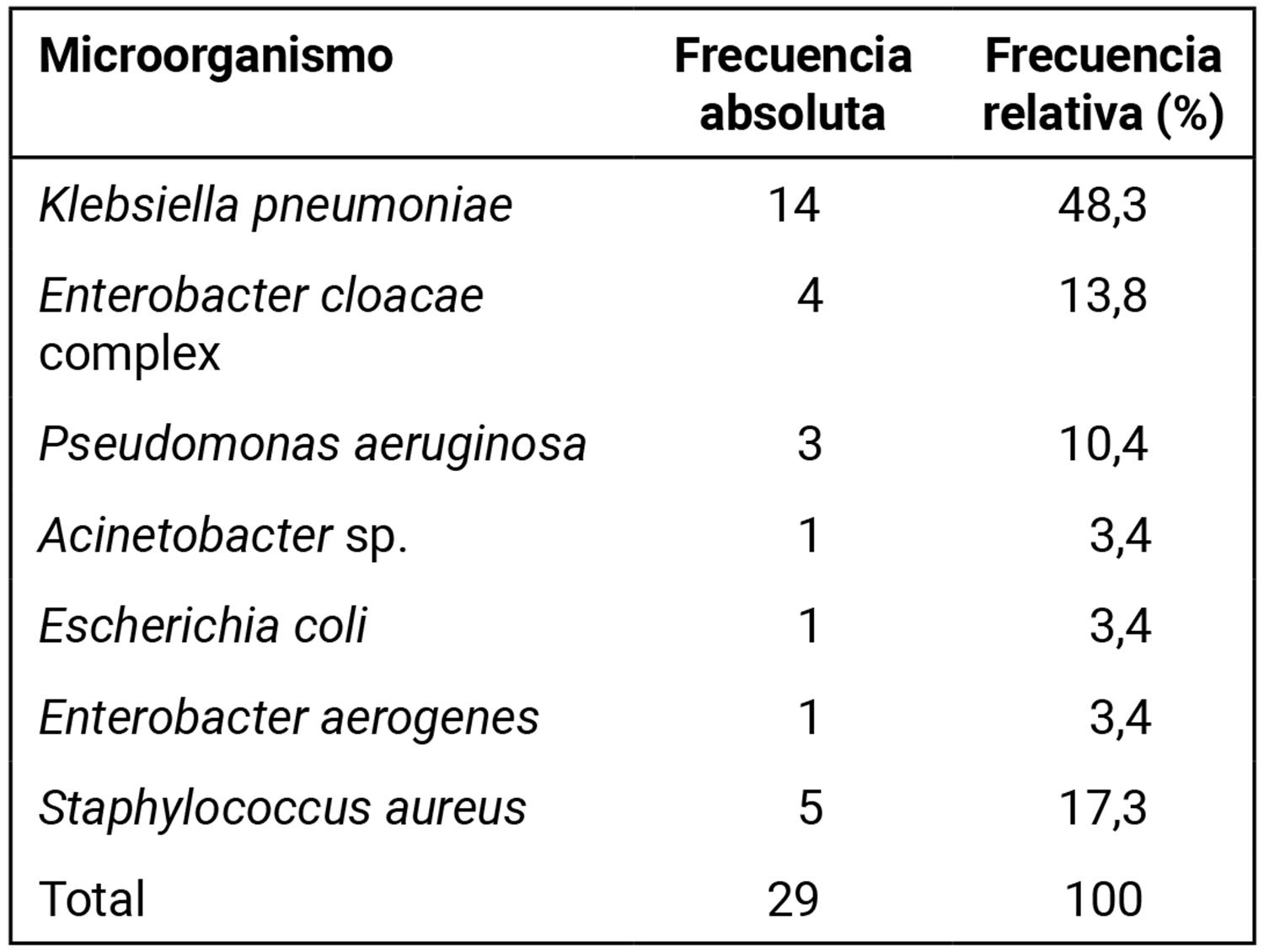
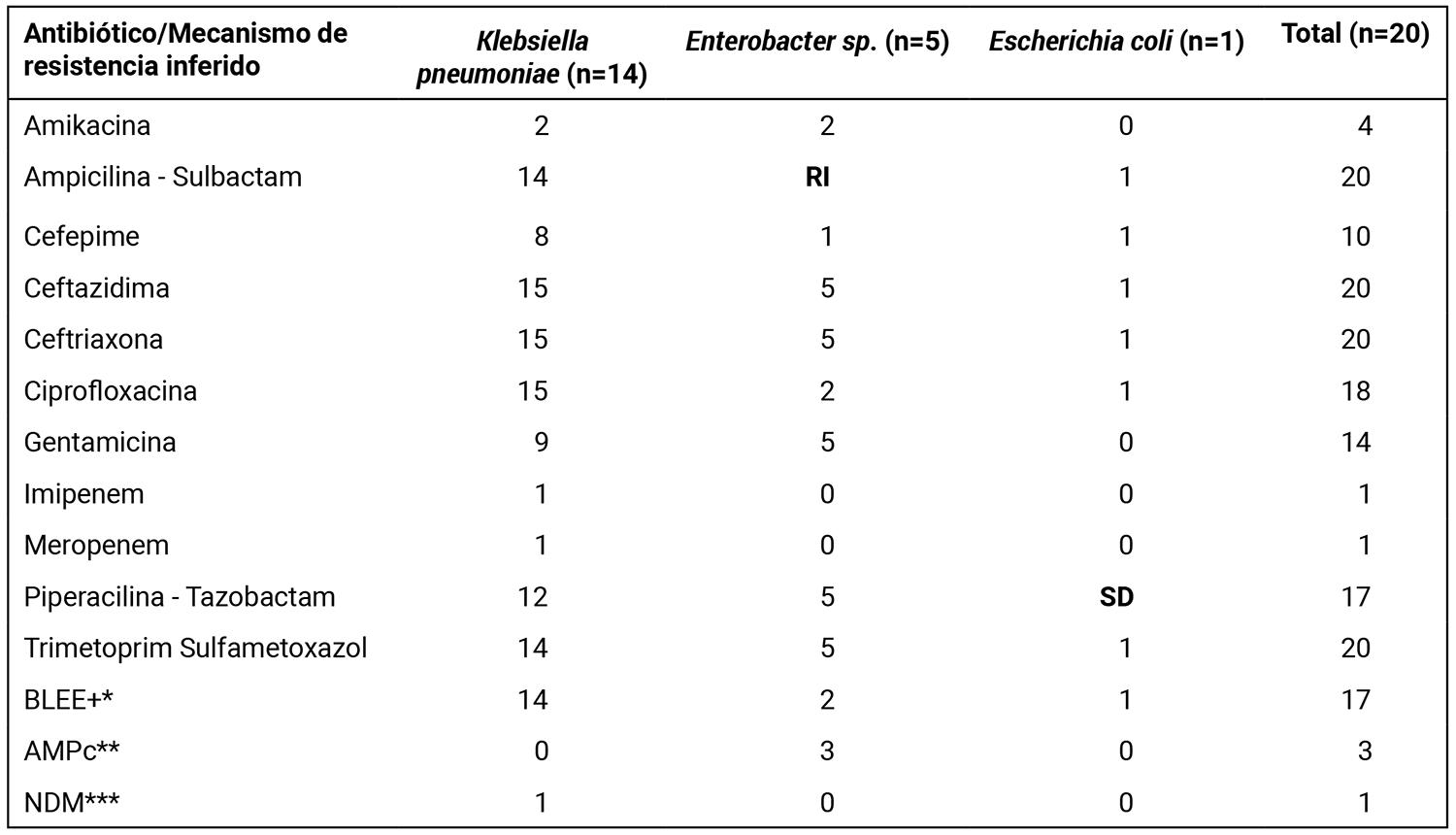
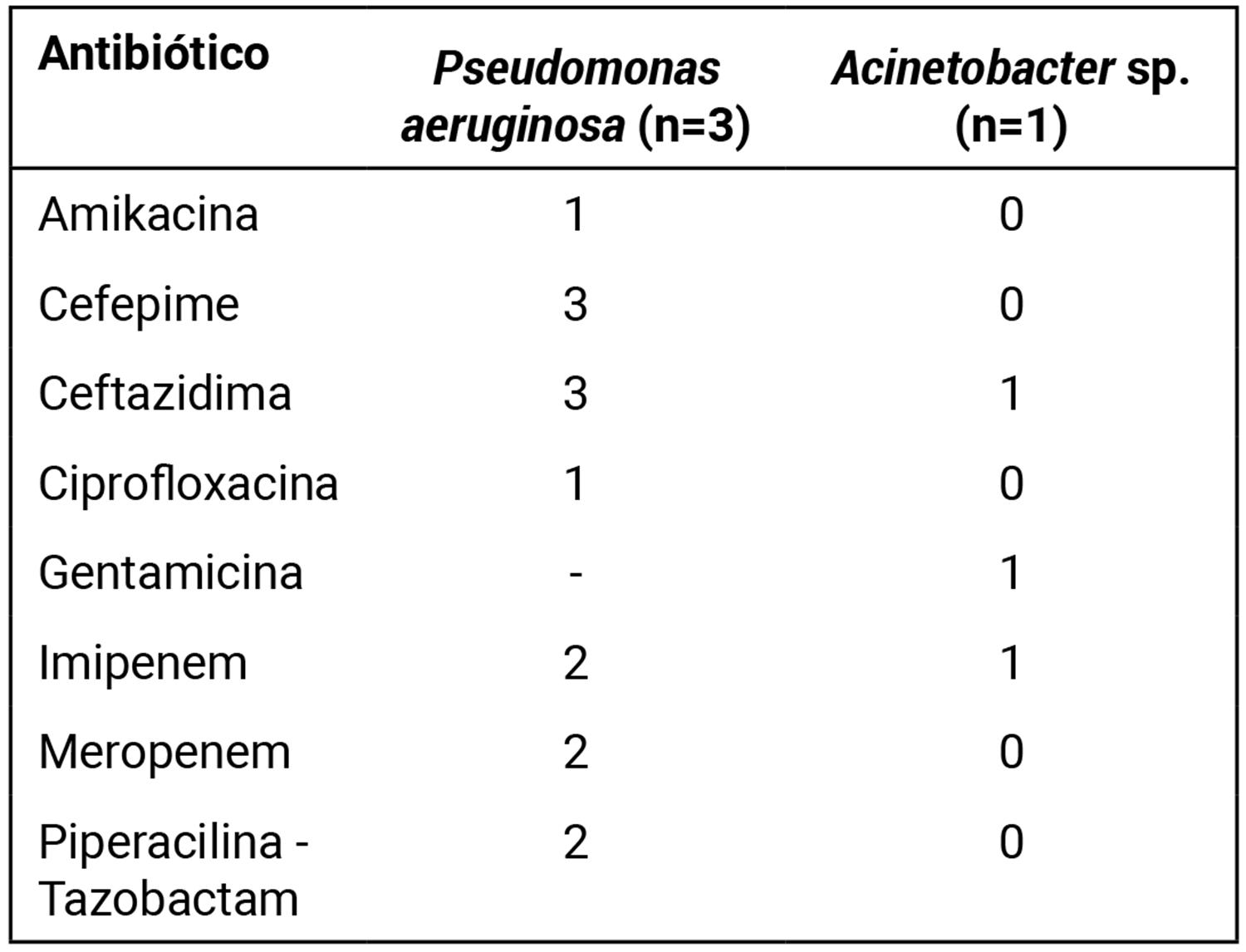
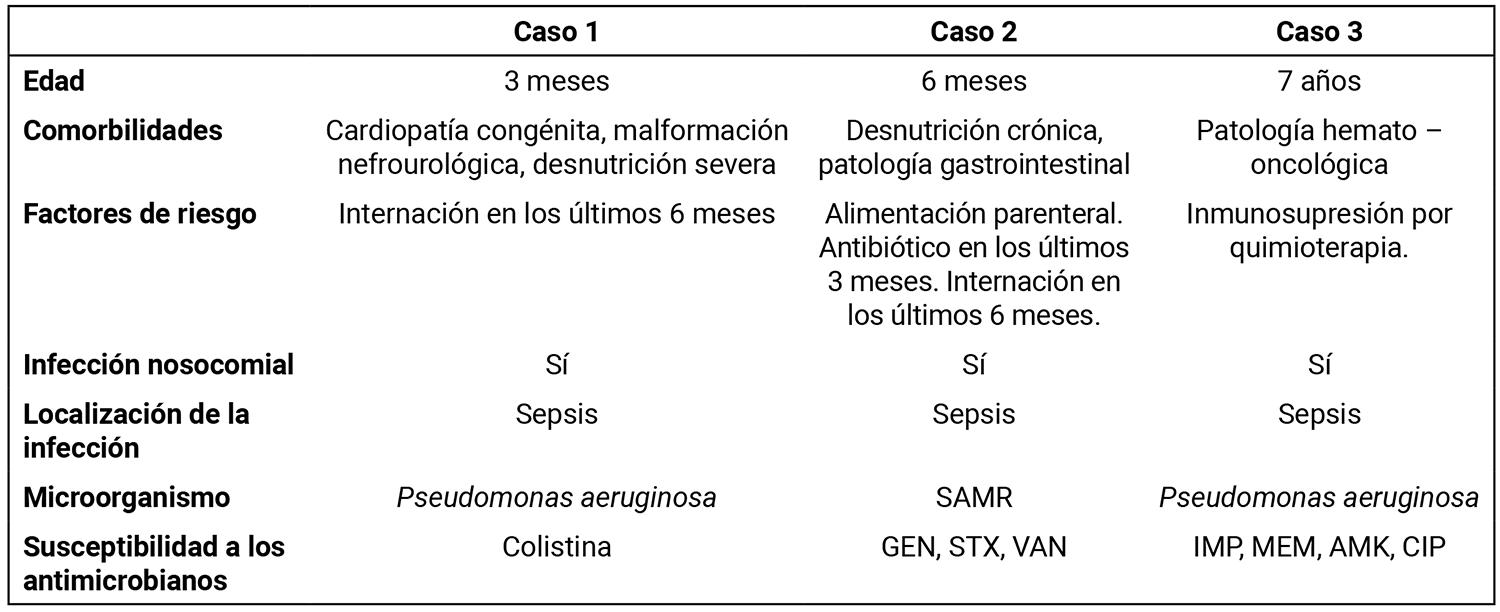
Results: Thirty patients were included, 73% of whom were under 3 years of age. Eighty-seven percent had risk factors. Sixty-seven percent of the infections were nosocomial, and 60% occurred in intensive care units. Seventy-three percent of the isolates were obtained from blood cultures. Eighty-three percent corresponded to Gram-negative bacteria, with Klebsiella pneumoniae being the most frequent. In 16.7% of cases, methicillin-resistant Staphylococcus aureus (MRSA) was isolated. All Gram-negative bacteria were resistant to third-generation cephalosporins, and 80% were susceptible to amikacin. Four of the five MRSA isolates showed constitutive resistance to clindamycin; all were susceptible to trimethoprim-sulfamethoxazole and vancomycin. Twenty-six point six percent required intensive care. The case fatality rate was 10%.
Conclusions: Most infections caused by MDR bacteria are associated with healthcare, occur in intensive care units, affect young children with multiple comorbidities and risk factors, and are associated with high lethality. Extended-spectrum beta-lactamase-producing Enterobacterales and MRSA represented the main threats.
Keywords:
Bacterial drug resistance; Beta-lactam resistance; Bacteraemia; Enterobacterales; Staphylococcus aureus; Methicillin resistance
 Thumbnail