Epidemiological and clinical characteristics of a cohort of patients infected with HIV
Introduction: cohort studies are essential to describe the evolution of multiple diseases. In 2018 the Uruguayan group for the study of HIV started to monitor a cohort of individuals infected with HIV in different health care Institutions.
Objective: to describe the epidemiological and clinical characteristics of individuals included in an HIV cohort (GeUVIH).
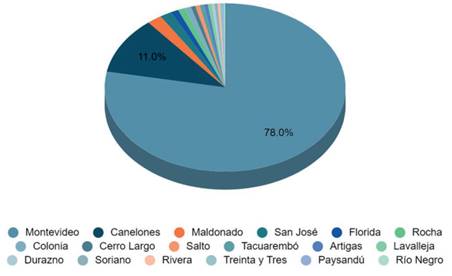
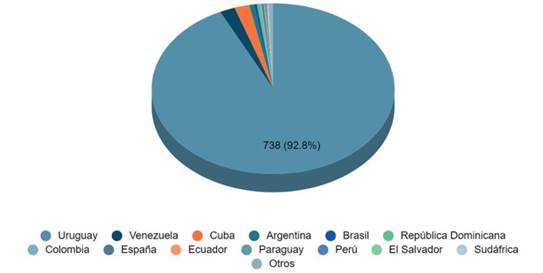
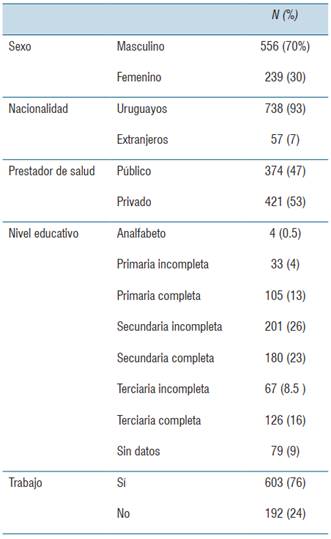
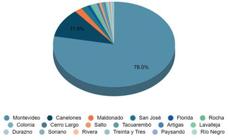
Patients and method: descriptive, observational, multi-transversal and prospective study. From July 1, 2018 to May 31, 2021. 795 individuals infected with HIV were analyzed in private and public outpatient consultations in Montevideo, Uruguay.
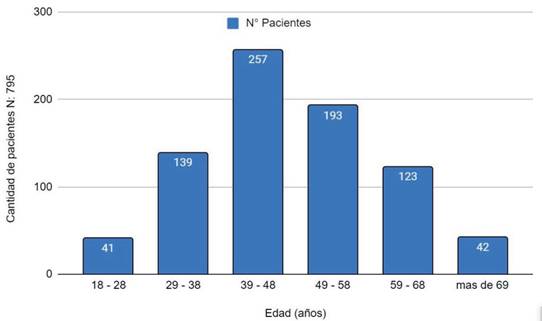
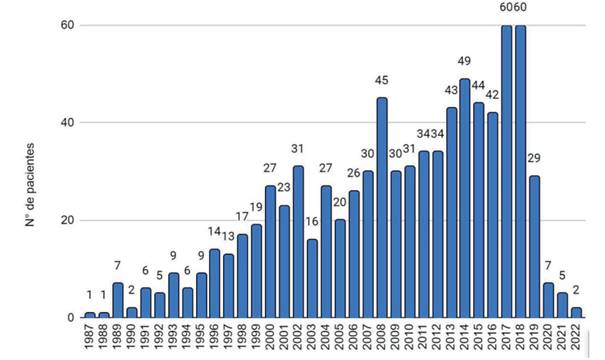
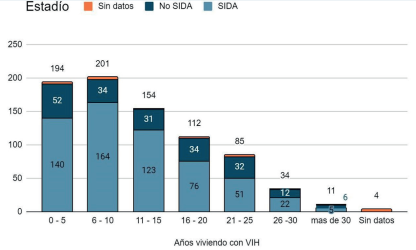
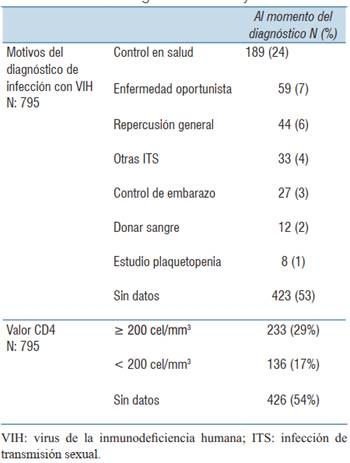
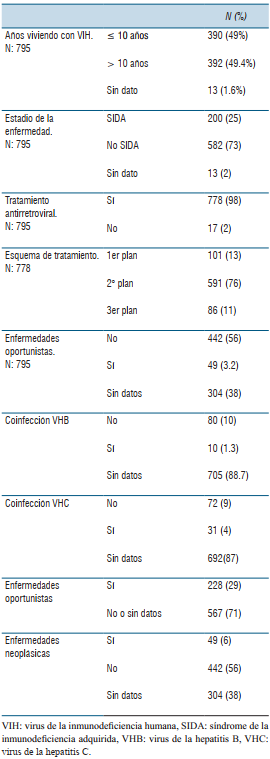
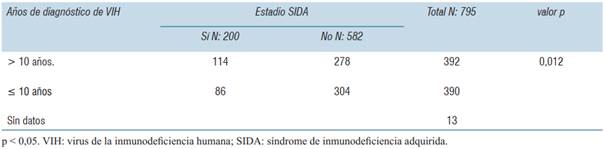
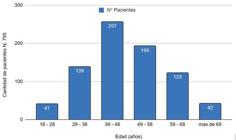
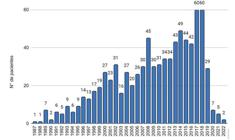
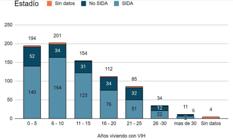
Results: the case of 795 patients was analyzed. Men/women ratio was 2/1. Median age was 46 years old. 65.6% was between 39 and 58 years old. HIV diagnosis mainly resulted from health control and opportunistic diseases. Upon inclusion in the cohort group, 49% of patients had been living with HIV for over 10 years and were in the AIDS stage of infection. 98.3% were under antiretroviral treatment and in 84% of them viral load could not be detected. 1.3% of patients presented HIV-HIB coinfection and 3.9% HIV-HIC coinfection. 4 patients in the cohort died.
Conclusions: the studied population was found to be related to the health care services, receiving antiretroviral therapy and showing good adherence to treatment. The aging of population makes it mandatory for the early diagnosis and treatment of comorbilities. Diagnosis of HIV must be encouraged in health care controls or preventive campaigns. The prospective maintenance of the cohort will provide key data for the making of decisions.
Key words:
HIV; Aging; Cohort GeUVIH
 Thumbnail
 Thumbnail
 Thumbnail
 Thumbnail
 Thumbnail
 Thumbnail
 Thumbnail