Prognosis of aneurysmal subarachnoid hemorrhage in Uruguay: 3 years of evolutionary follow-up in a cohort of 211 patients
Introduction: aneurysmal subarachnoid hemorrhage (aSAH) is one of the cerebrovascular diseases with the highest mortality and disability rates. In Uruguay, epidemiological data on long-term prognosis were lacking until recently.
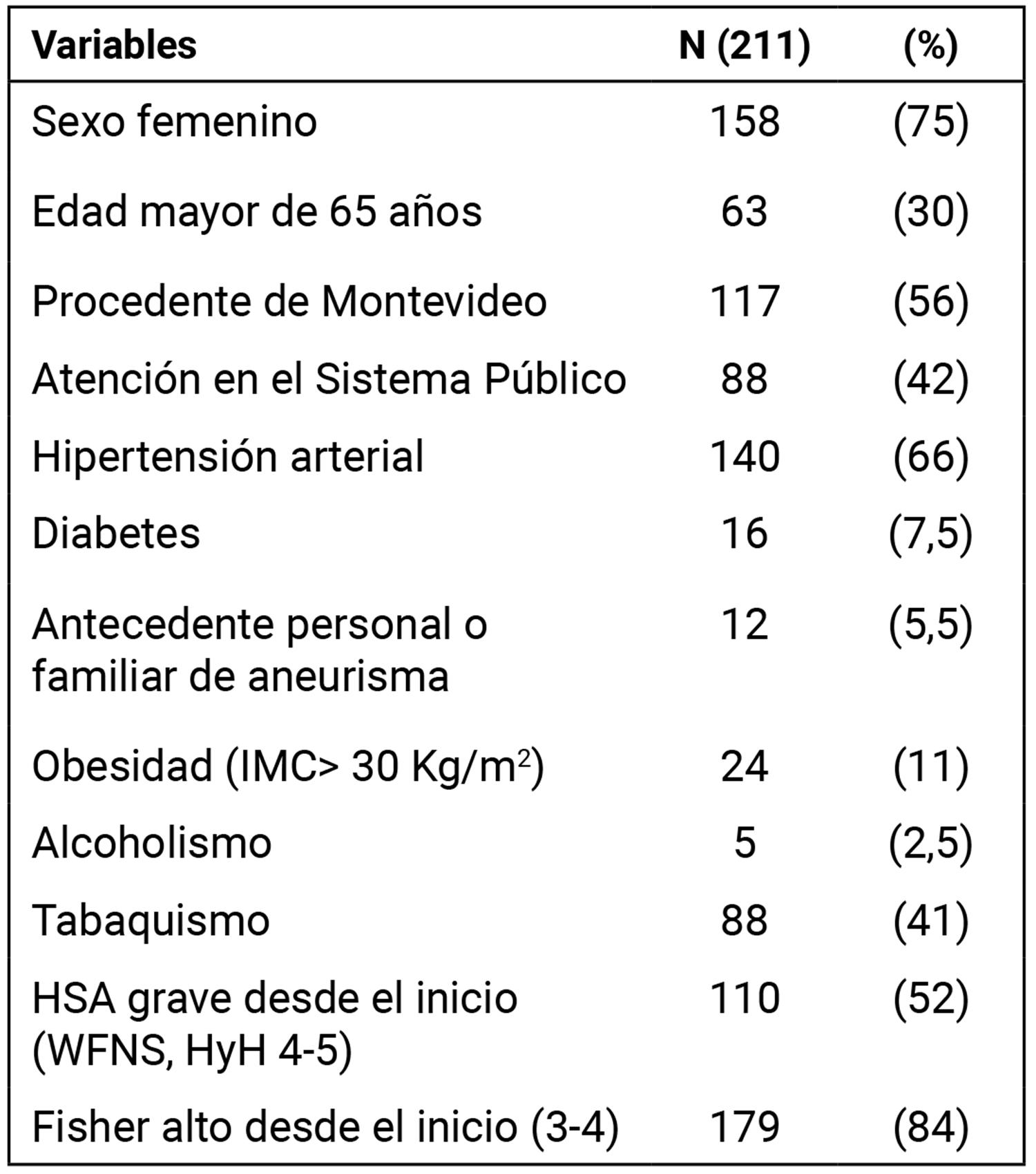
Materials and methods: a prospective, multicenter, nationwide study was conducted including 211 adult patients diagnosed with aSAH between November 2019 and October 2020. Clinical, imaging, therapeutic, and social variables were collected. Patients were followed for 3 years, with functional outcome assessed using the modified Rankin Scale (mRS). Prognostic factors were identified through Cox proportional hazards models.
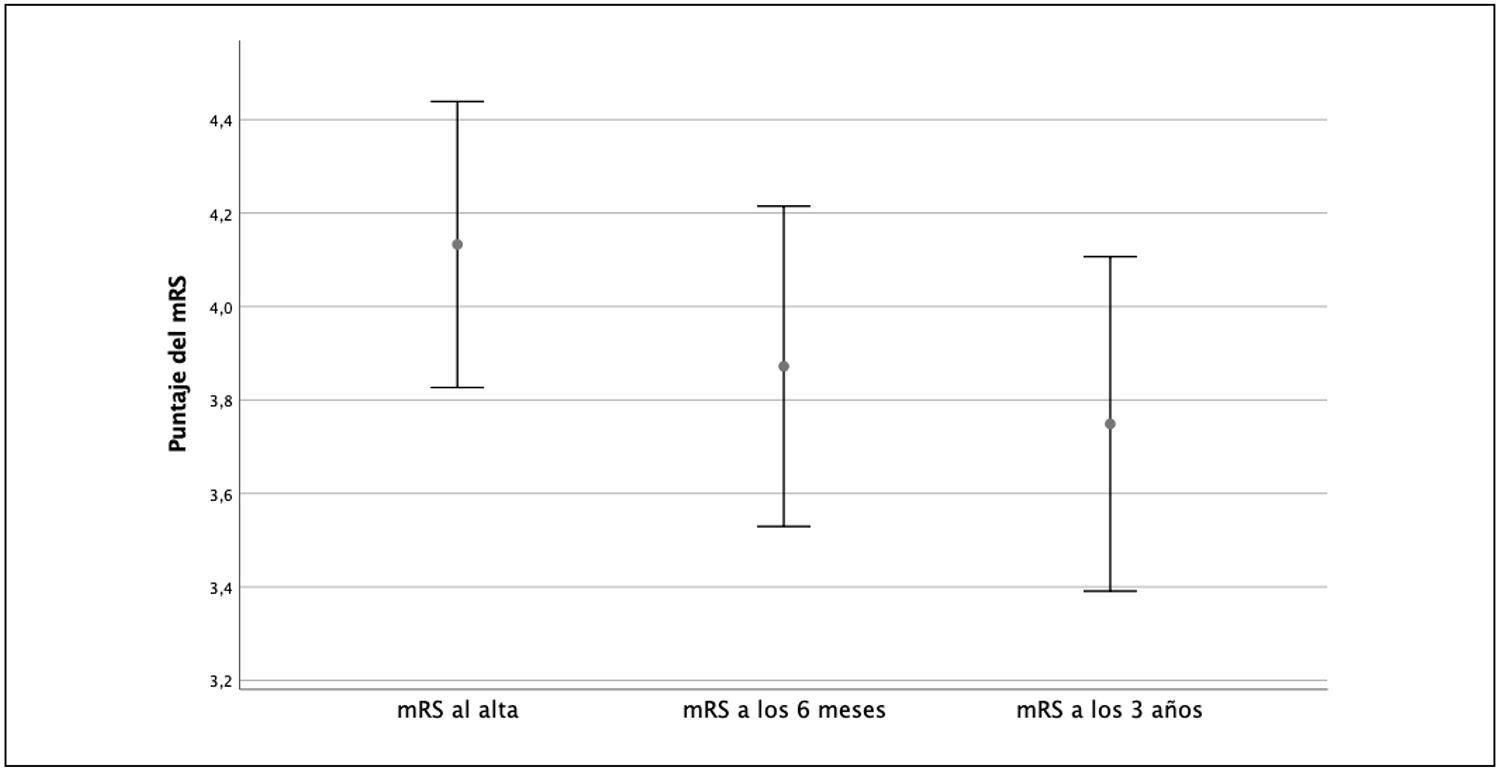
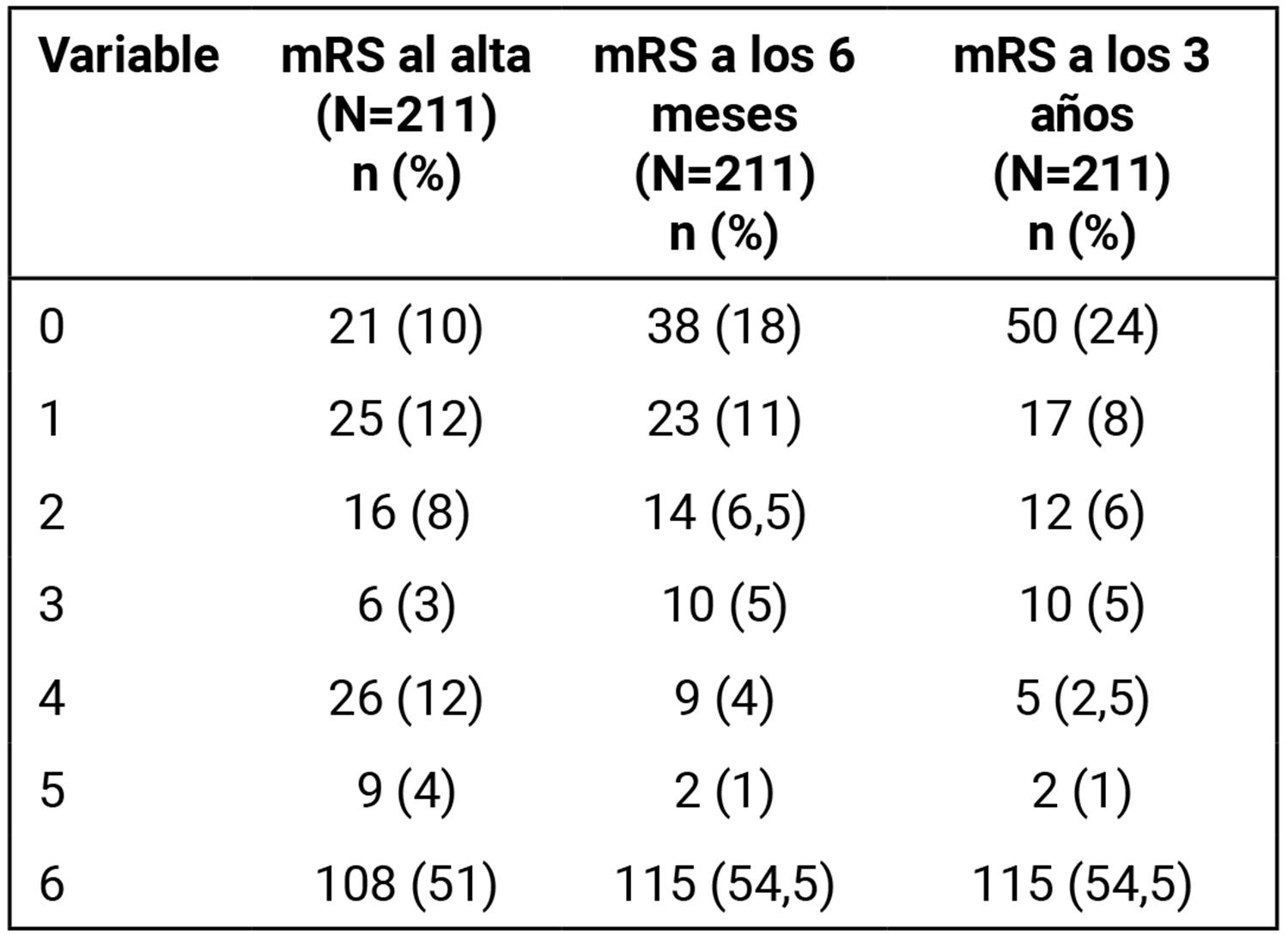
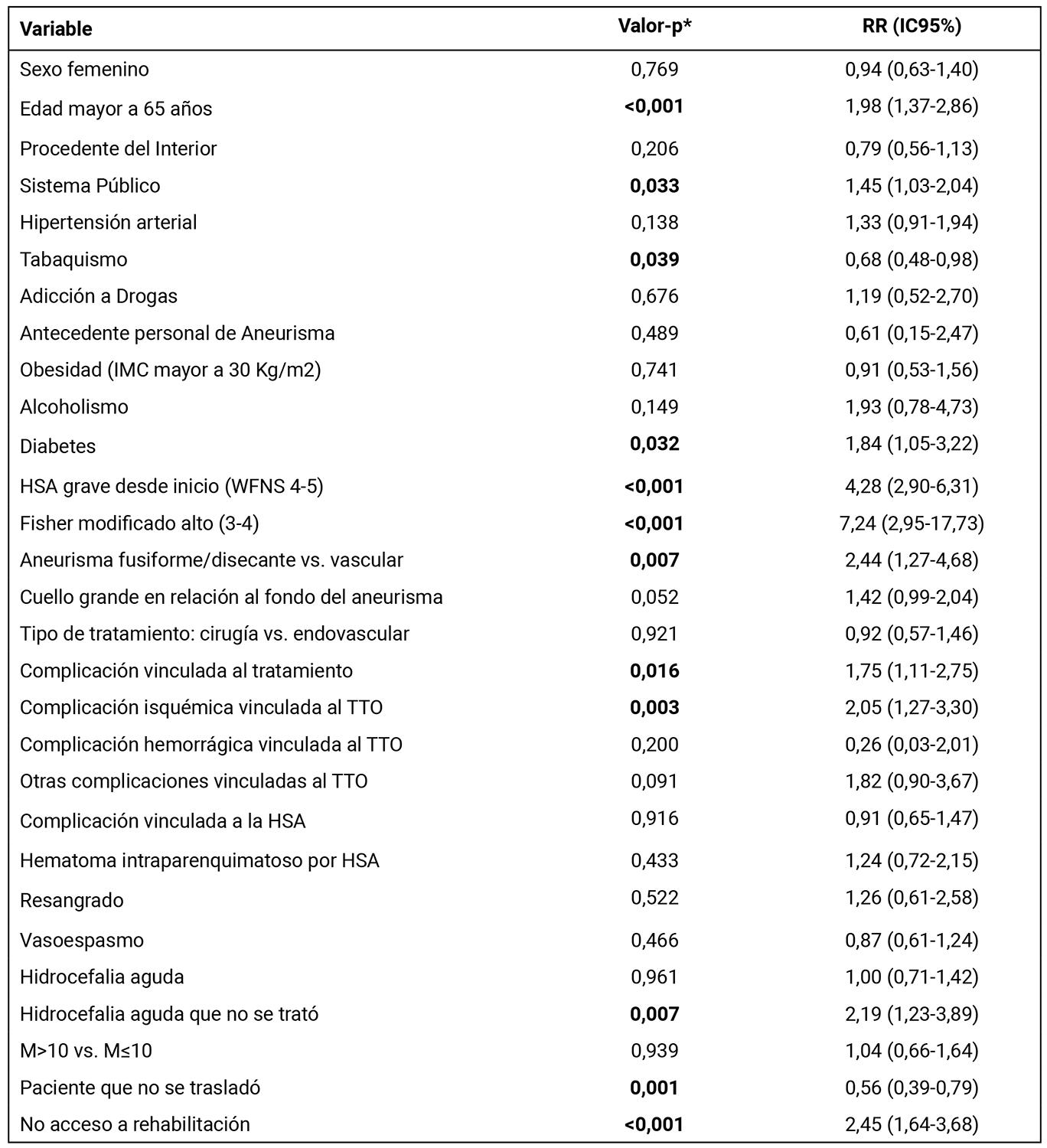
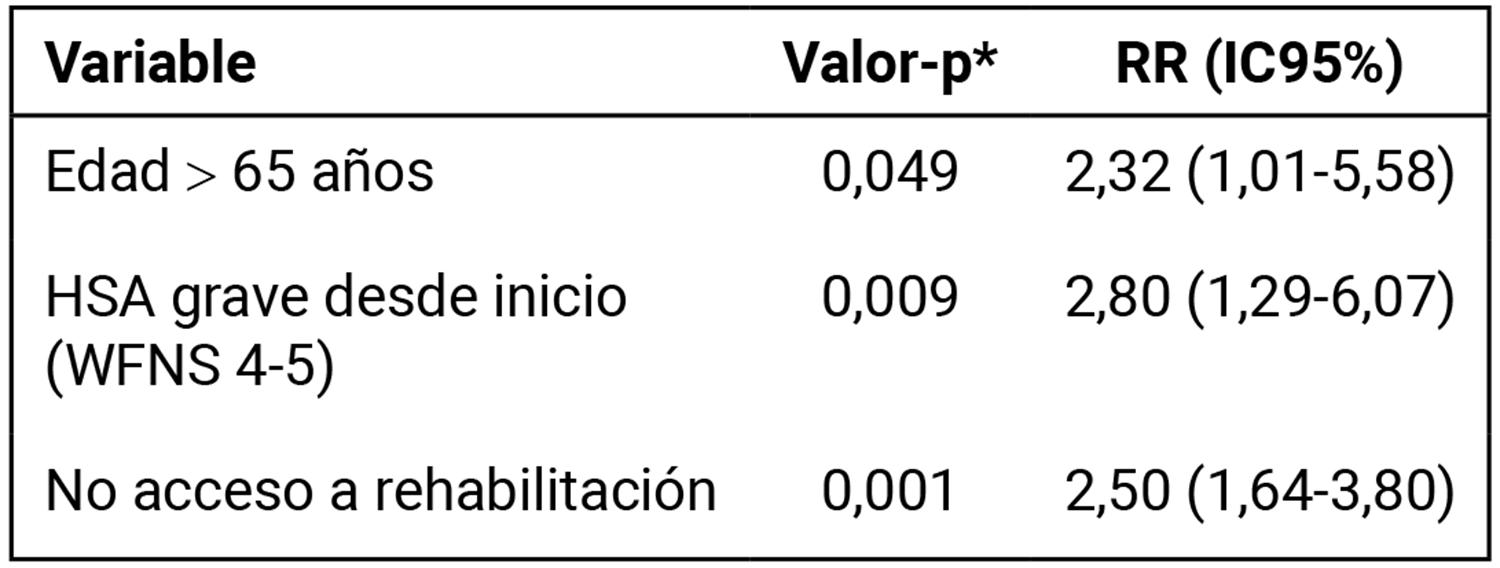
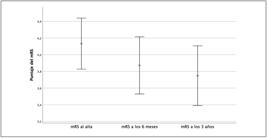
Results: overall mortality at 3 years was 54.5%, unchanged from the 6-month follow-up. The proportion of patients with favorable outcomes (mRS 0–2) progressively increased: 30% at discharge, 35.5% at 6 months, and 38% at 3 years. Among survivors, 68% had no neurocognitive sequelae. In multivariate analysis, age >65 years (OR: 2.3; CI: 1.0–5.5), poor-grade aSAH at admission (WFNS 4–5) (RR: 2.8; 95%CI: 1.2–6.7) and lack of access to rehabilitation (RR: 2.5; 95%CI: 1.6–3.8) were independent predictors of poor functional outcome.
Conclusions: this is the first nationwide study reporting 3-year outcomes of aSAH in Uruguay. Age over 65, initial clinical severity and lack of access to rehabilitation emerged as key determinants of long-term prognosis, highlighting the need for aggressive management in severe cases and the development of specialized neuro-rehabilitation centers in the country.
Keywords:
Subarachnoid hemorrhage; Aneurysm; Prognosis; Rehabilitation; Uruguay
 Thumbnail