Medical residencies. A critical view on entry requirements and the application process
In Uruguay medical residencies were created with the aim of planning, regulating and training specialists that meet the country’s health requirements (Act 19.301). In order to be admitted, candidates take part in an open competition and sit for two exams that use anonymous marking.
This study analyses the application process to medical residency by exploring the topics included, the kind of exams and the relationship between the studies plan and the topics that are evaluated admission to the medical residence, by means of a survey among interns and residents.
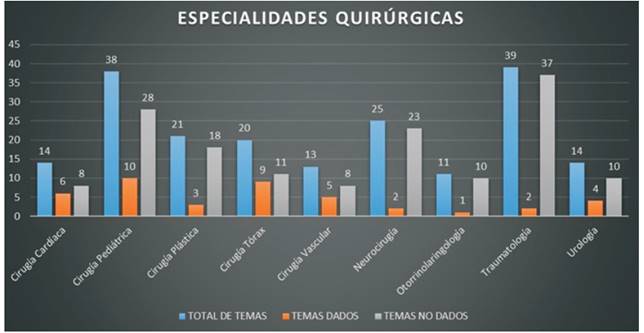
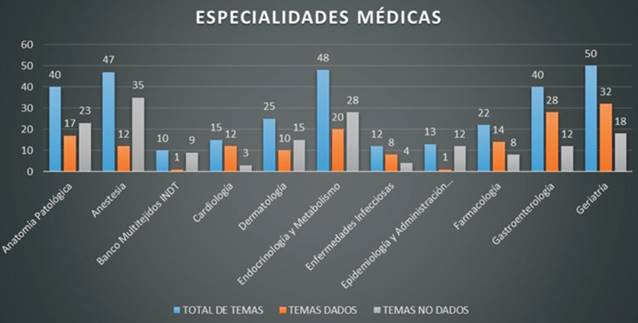
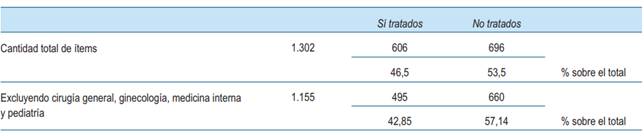
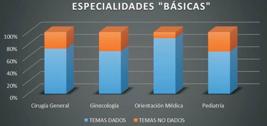
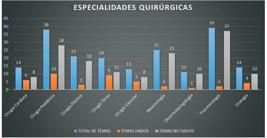
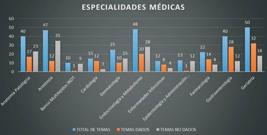
50 specializations competed, 48 exams were taken, including 1302 topics (average 19.6 topics/discipline), all of which included a great range of exams. A great number of average grade and higher gradeprofessors are required for the assessment committees during several months.
Upon bibliographic review, only 9 specializations (18%) recommended bibliography to prepare for the exam. The total offer includes 49 books; a few of them in English.
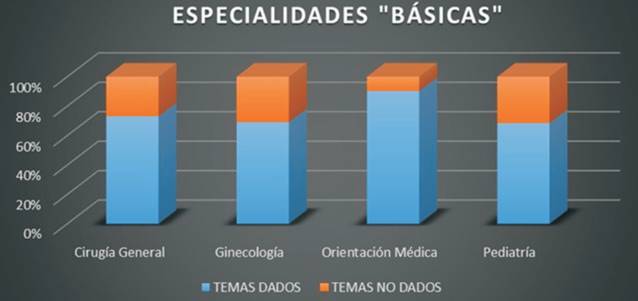
Results proved a great dichotomy between the topics covered in the undergraduate curricula and the demands of exams for admission to medical residency, the bibliographic and institutional support being deficient.
In view of the fact that candidates are the recently result of a single studies plan, a debate should address the possibility of implementing an exams system that results from consensus and is effective for all disciplines. A system reform should also be debated.
Key words:
Medical education; Internship and residency; Evaluation
 Thumbnail
 Thumbnail
 Thumbnail