Study of drug interactions in hospitalized patients at a university hospital
Introduction: adverse drug reactions are a major cause of morbidity and mortality in patients. Understanding drug interactions that may trigger these events is essential for prevention.
Objectives: to describe drug–drug interactions in a cohort of patients admitted to a medical ward in a university hospital.
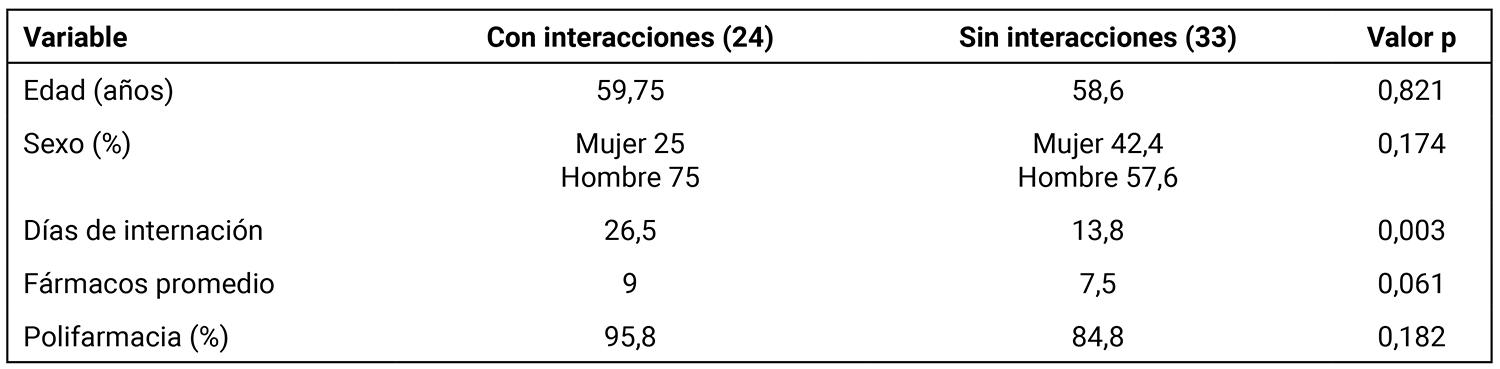
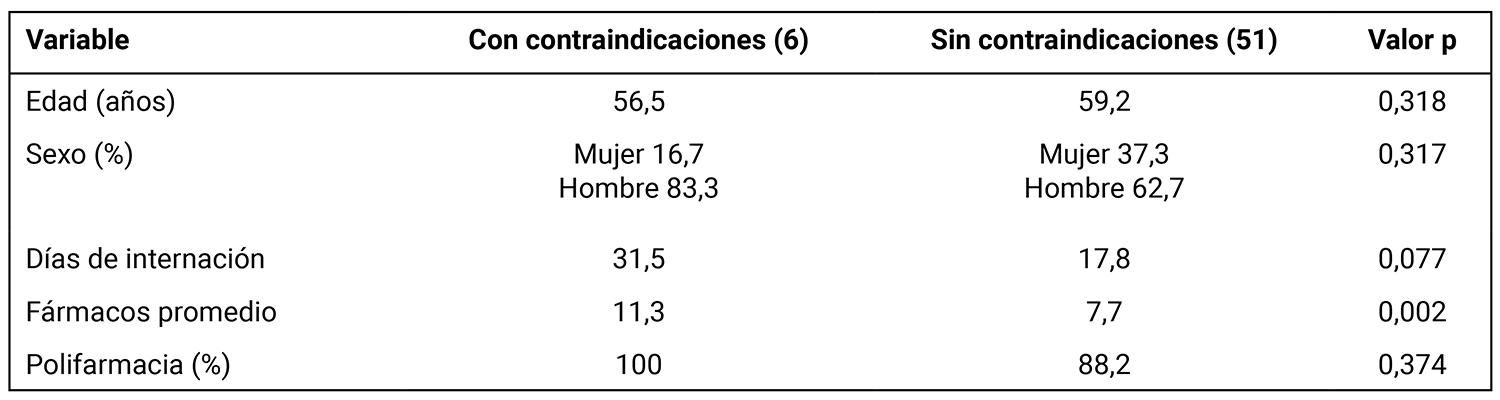
Materials and methods: descriptive, cross-sectional study. Patient prescriptions and drug interactions were assessed over a 2-month period using the Micromedex® software. Major interactions and contraindications were analyzed. Associations were examined with age, sex, number of drugs prescribed, and length of hospital stay.
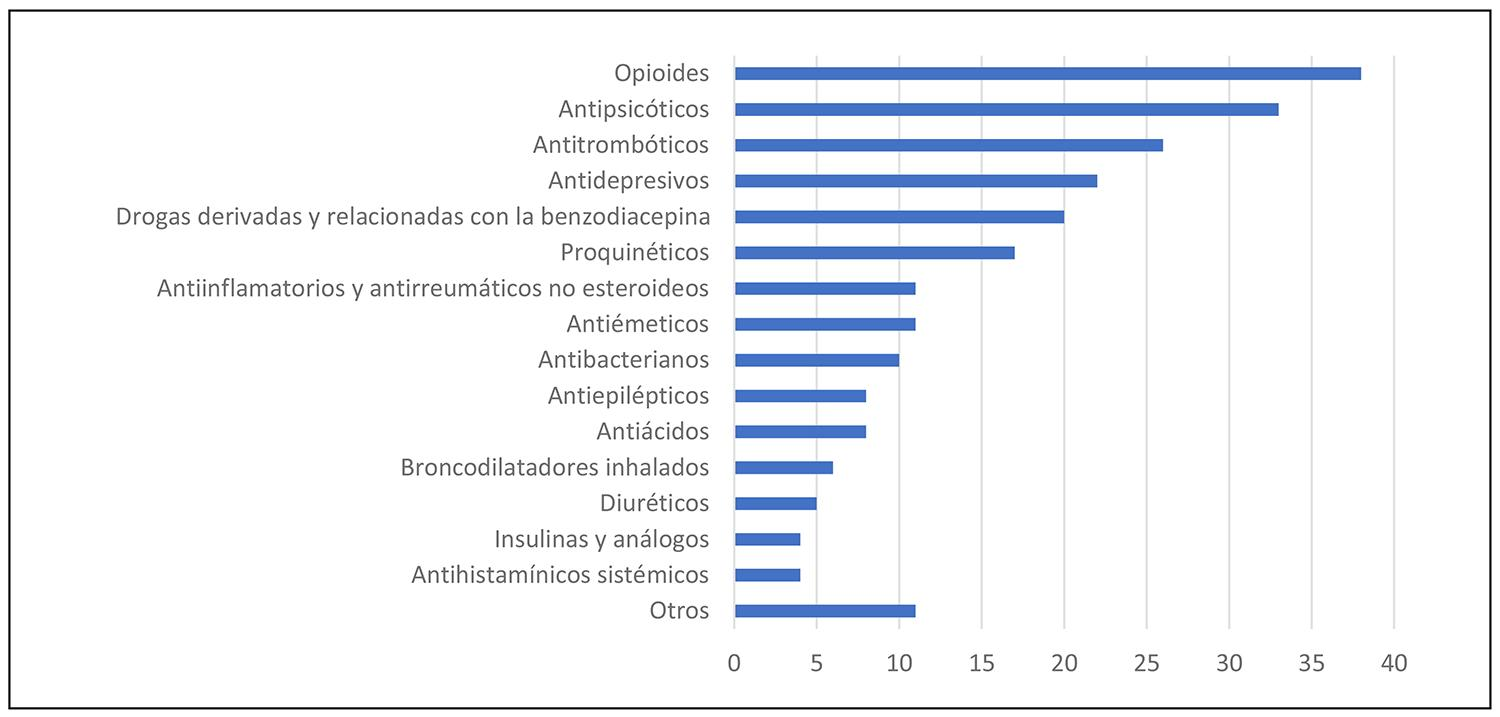
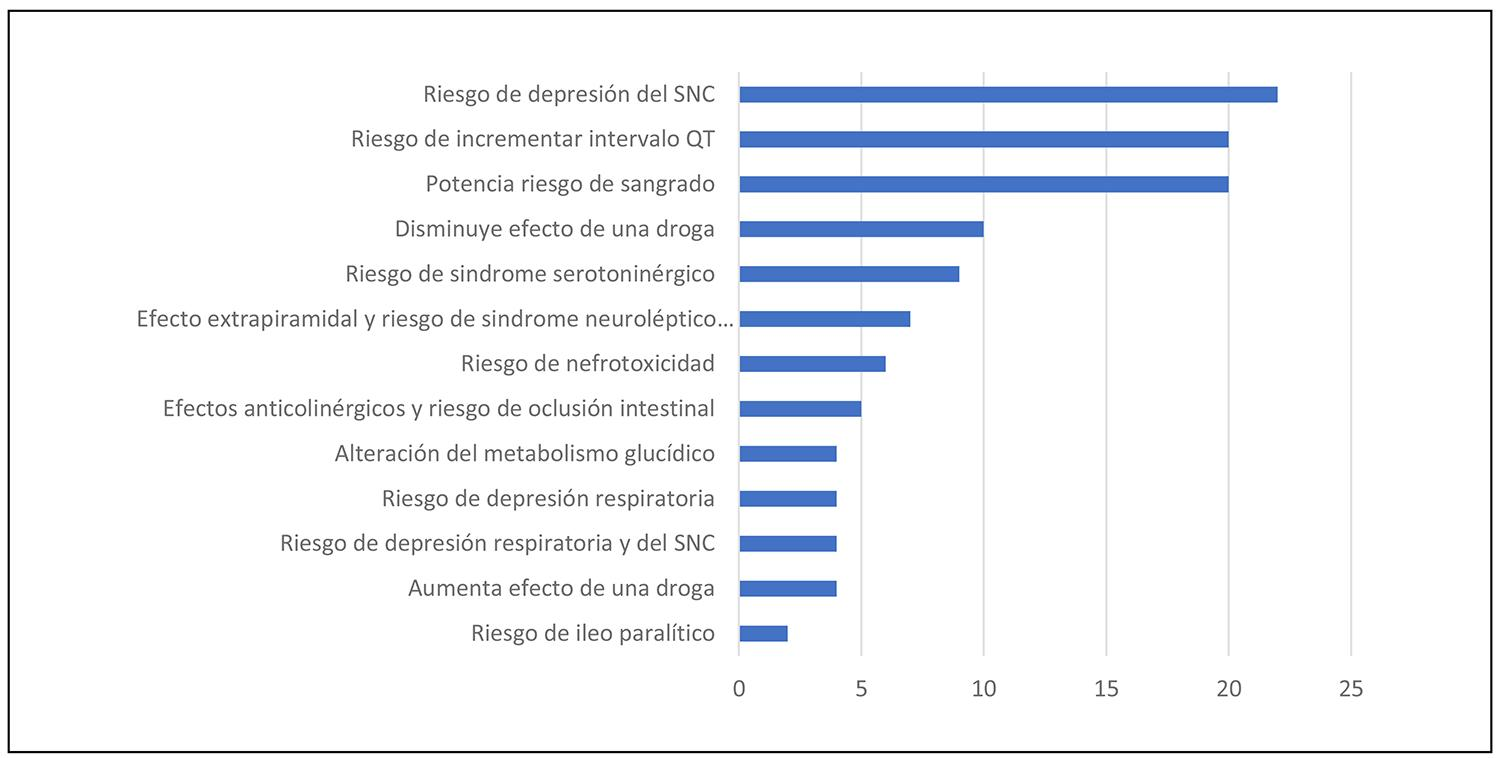
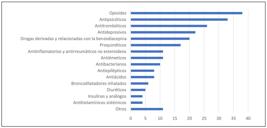
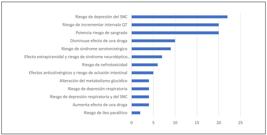
Results: a total of 57 patients were included. In 24 patients (42%), 109 major interactions and 8 contraindications were detected. Patients with interactions had longer hospital stays (26.5 vs 13.8 days, p=0.003) and received more medications per day (9 vs 7.5, p=0.061). No differences were found in age or sex. The most frequently involved drugs were opioids, antipsychotics, antithrombotics, antidepressants, and benzodiazepines. Psychotropic drugs were involved in 58.1% of interactions. The most common potential adverse effects were central nervous system depression, QT interval prolongation, and bleeding risk.
Conclusions: drug–drug interactions are a common issue among hospitalized patients. Building multidisciplinary teams, being aware of potential interactions, and actively monitoring for adverse effects are key to ensuring patient safety.
Keywords:
Drug interactions; Patient safety; Drug-related adverse effects; Inpatient pharmacy
 Thumbnail
 Thumbnail