Thoracoscopic repair of congenital Morgagni diaphragmatic hernia in a newborn: a case report
Introduction: Congenital diaphragmatic hernia is a defect in the embryological development of the diaphragm that occurs during the first 12 weeks of gestational age. Thoracoscopy has gained popularity as a surgical technique, being a safe and reproducible method in selected cases, reducing postoperative morbidity and recovery time.
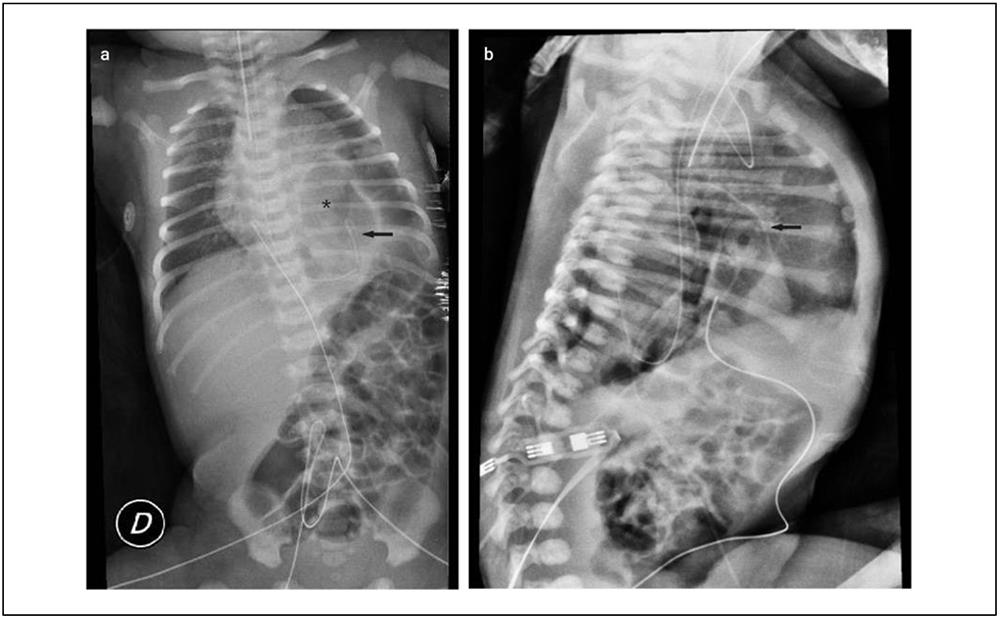
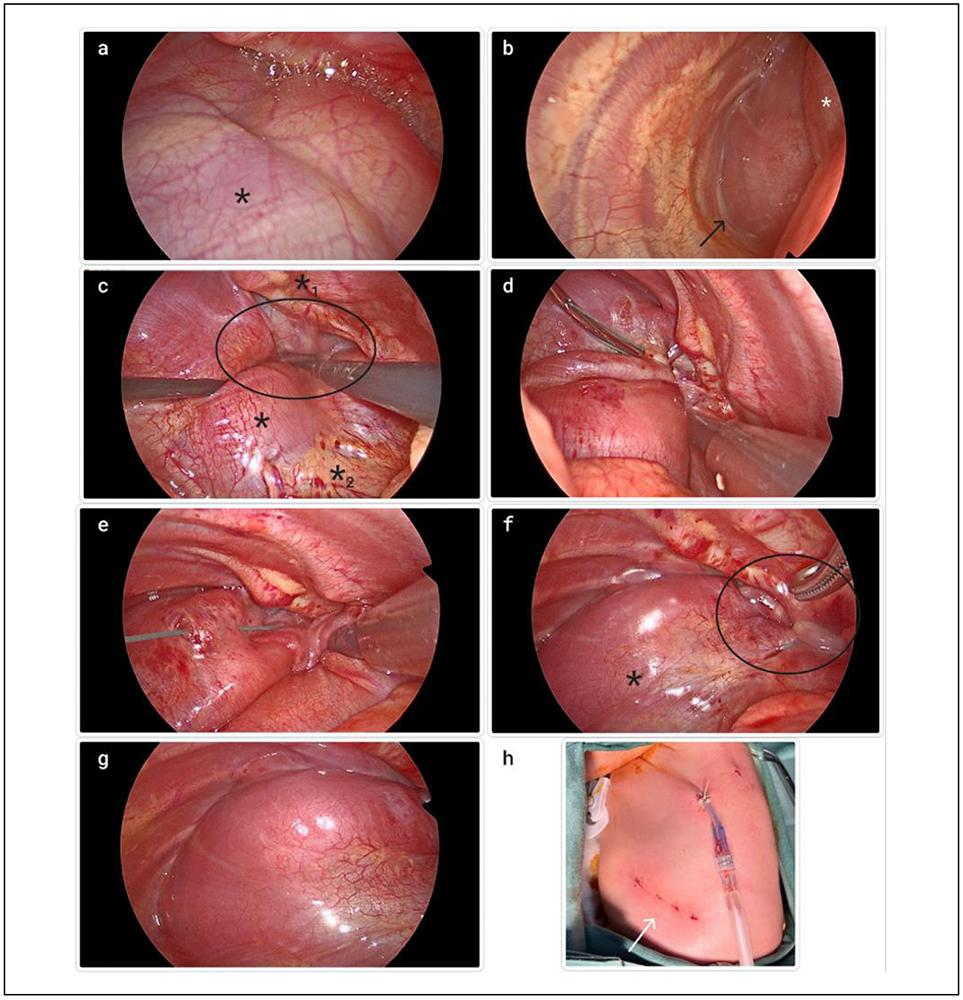
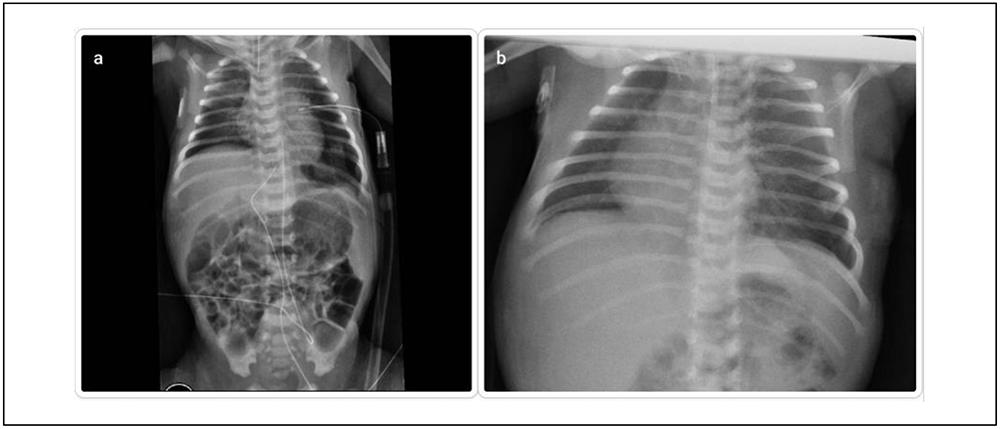
Clinical case: We present the case of a male newborn, born at 38 weeks of gestation, with a prenatal diagnosis at 24 weeks of left congenital diaphragmatic hernia. During the postnatal period, he required invasive mechanical ventilation for 72 hours with low parameters and no need for inotropes. Thoracoscopic surgery was performed, revealing an anterior and medial diaphragmatic defect, identified as a Morgagni hernia. The defect was repaired using percutaneous sutures with a Reverdin needle. The postoperative course was uneventful, with favorable medium-term outcomes.
Keywords:
Congenital diaphragmatic hernia; Thoracoscopy; Minimally invasive surgery; Newborn
 Thumbnail
 Thumbnail
 Thumbnail
 Thumbnail