Nutrition in inflammatory bowel disease. A review
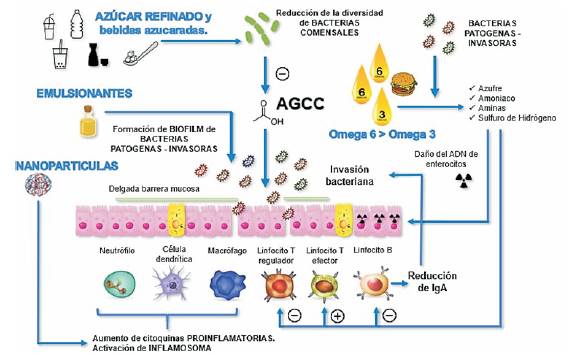
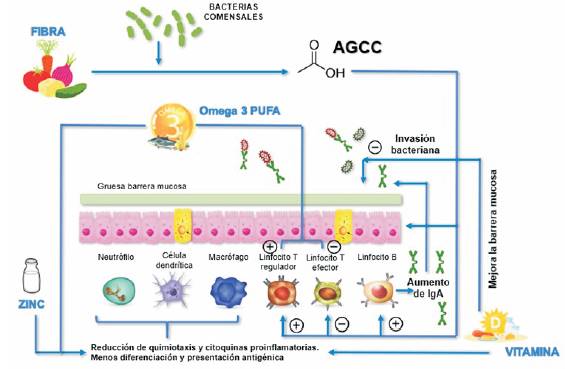
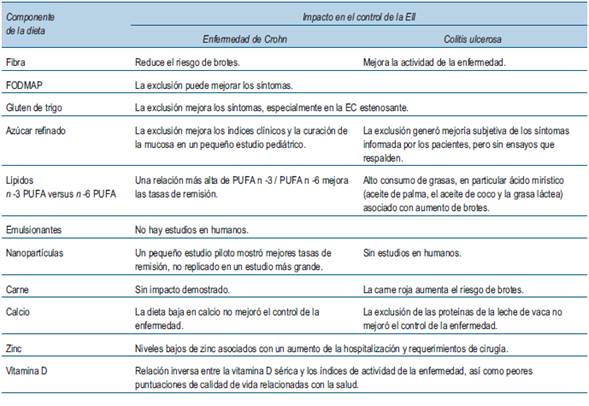
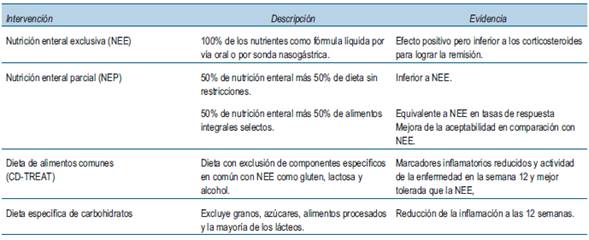
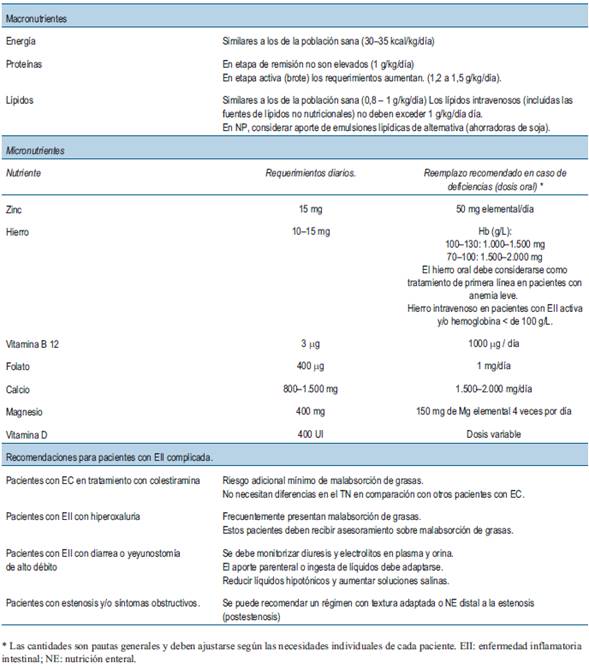
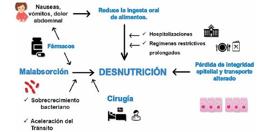
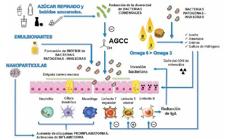
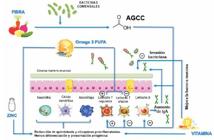
There is vast epidemiological evidence based on cohort studies of large populations of humans, that diet exerts a strong influence on the development and outcome of inflammatory bowel disease. Besides, most evidence-based medical therapies for this condition aim to suppress the immune response and entail significant side effects. Current evidence has proved that several diet factors probably protect against outbreaks, as in the case of fibre, zinc and vitamin D in both forms of inflammatory bowel disease and a high proportion of polyunsaturated fatty acids (PUFAs) n -3 / n -6 in the ICU diet. Other foods also impact the outbreak risk, such as those containing myristic acid, red meats and sugar. This review will explore diet interactions and the immune system within the context of Crohn's disease and ulcerative colitis, focusing on the role of diet in the pathogenesis, in particular in terms of its interaction with the patient's immune system. Simultaneously, the role of medical nutrition will be analysed as a therapeutic intervention.
Key words:
Inflammatory bowel diseases; Nutritional status; Diet therapy.
 Thumbnail
 Thumbnail
 Thumbnail
 Thumbnail