Compliance with quality of care indicators in patients with systemic Lupus Erythematosus at the Hospital de Clínicas
Introduction: systemic Lupus Erythematosus (SLE) is a systemic autoimmune disease associated with high morbidity. A quality indicator is a tool used to measure the degree of quality of care received by patients. There is a relationship between better quality of care and better outcomes for patients with chronic diseases. However, evidence regarding the impact of quality of care in SLE is still scarce and non-existent in our country.
Objectives: to assess the compliance with quality of care indicators in patients with SLE attended at the Systemic Autoimmune Diseases Unit (UEAS) of the Hospital de Clínicas.
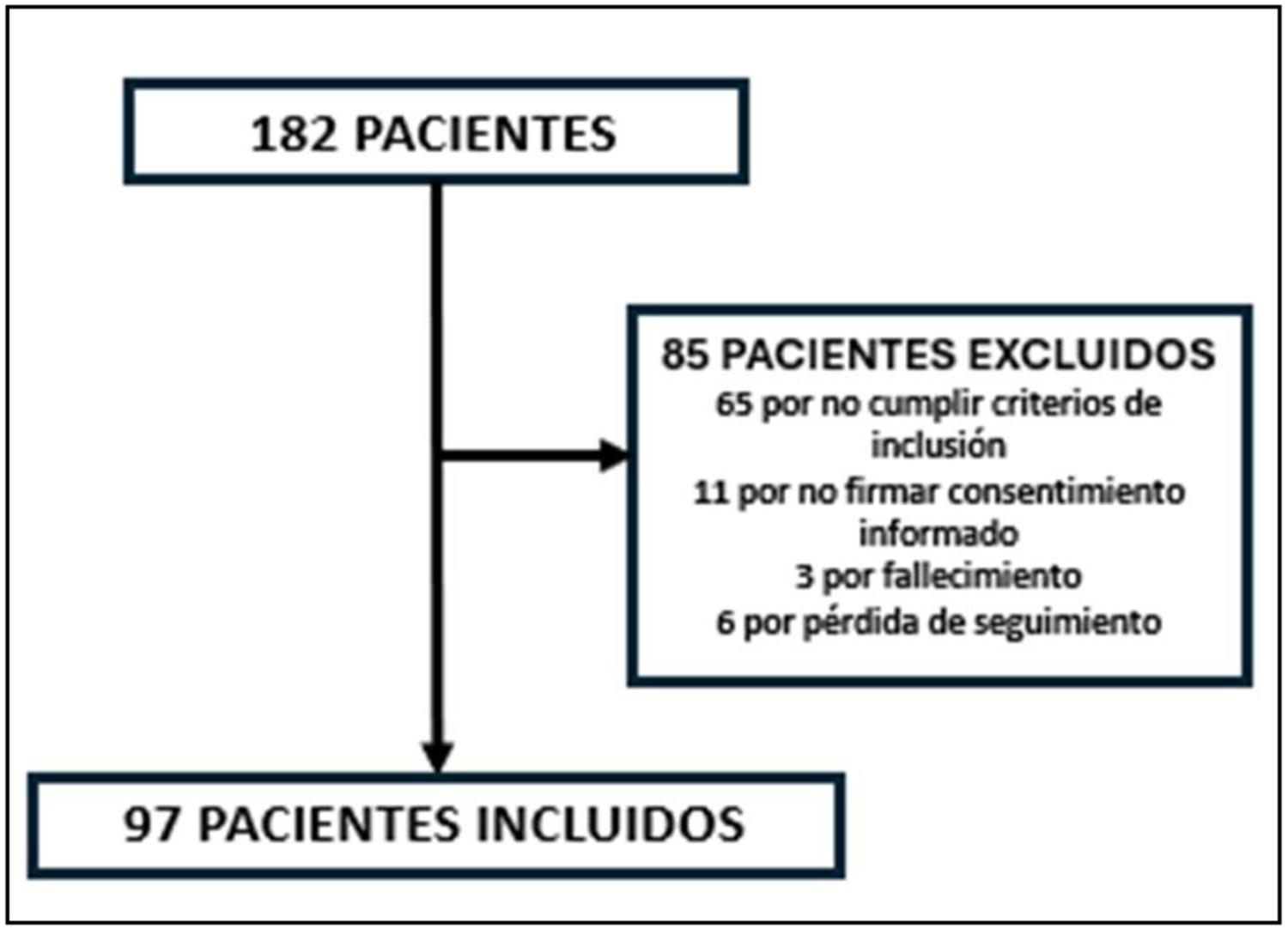
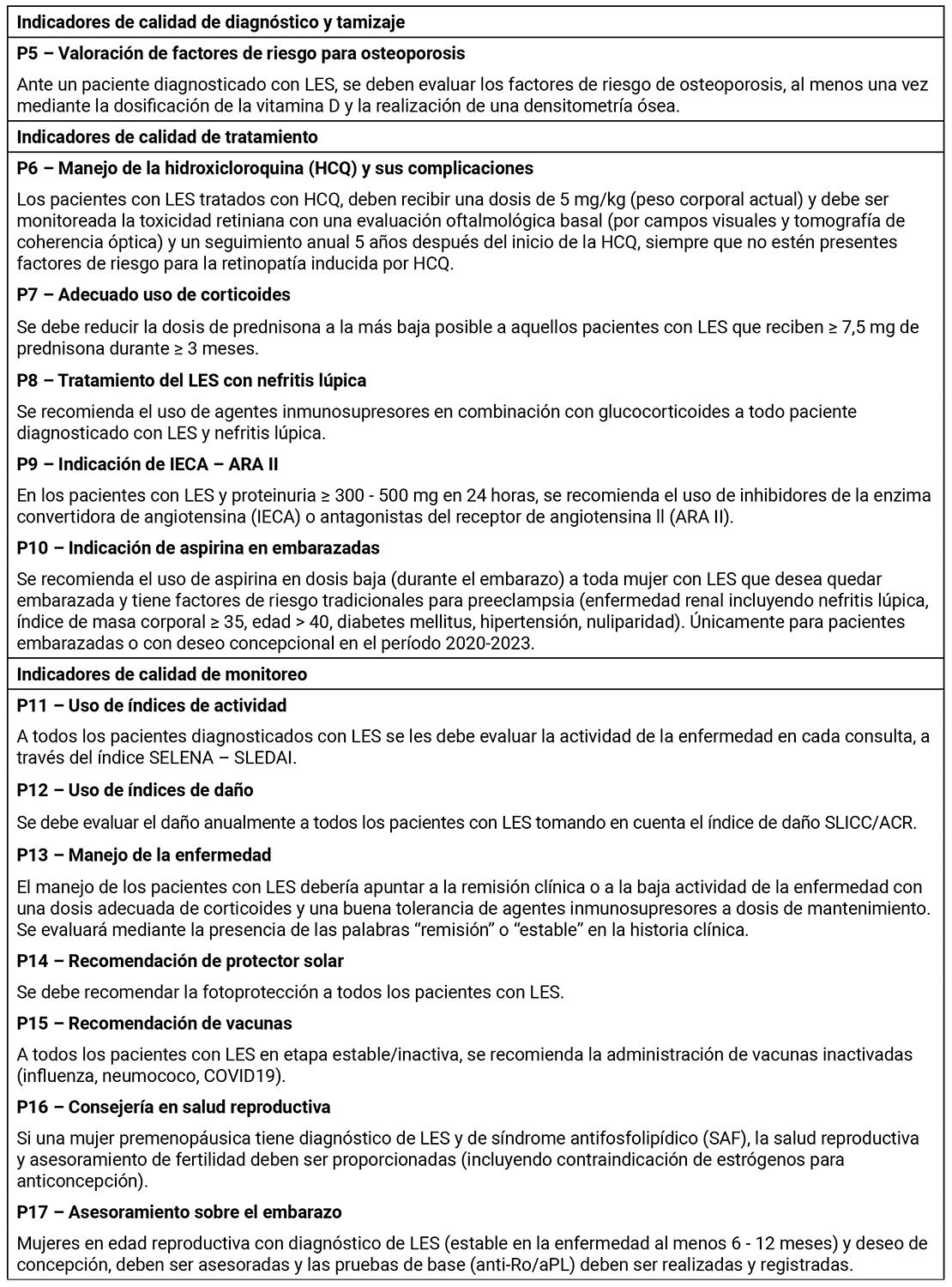
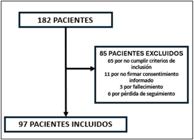
Materials and method: A descriptive, cross-sectional study including 97 patients with SLE. Compliance with 17 quality indicators was evaluated through medical records and telephone surveys.
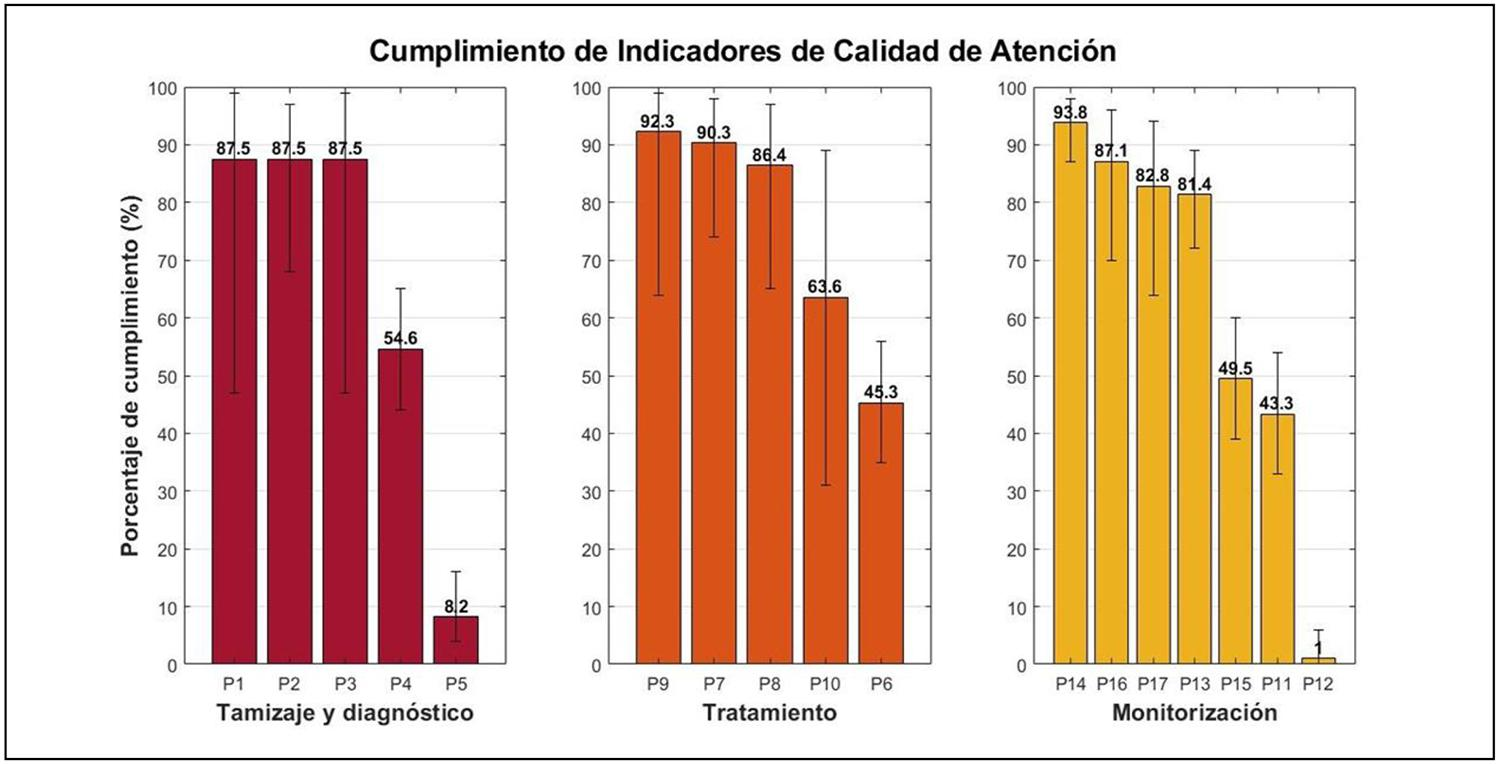
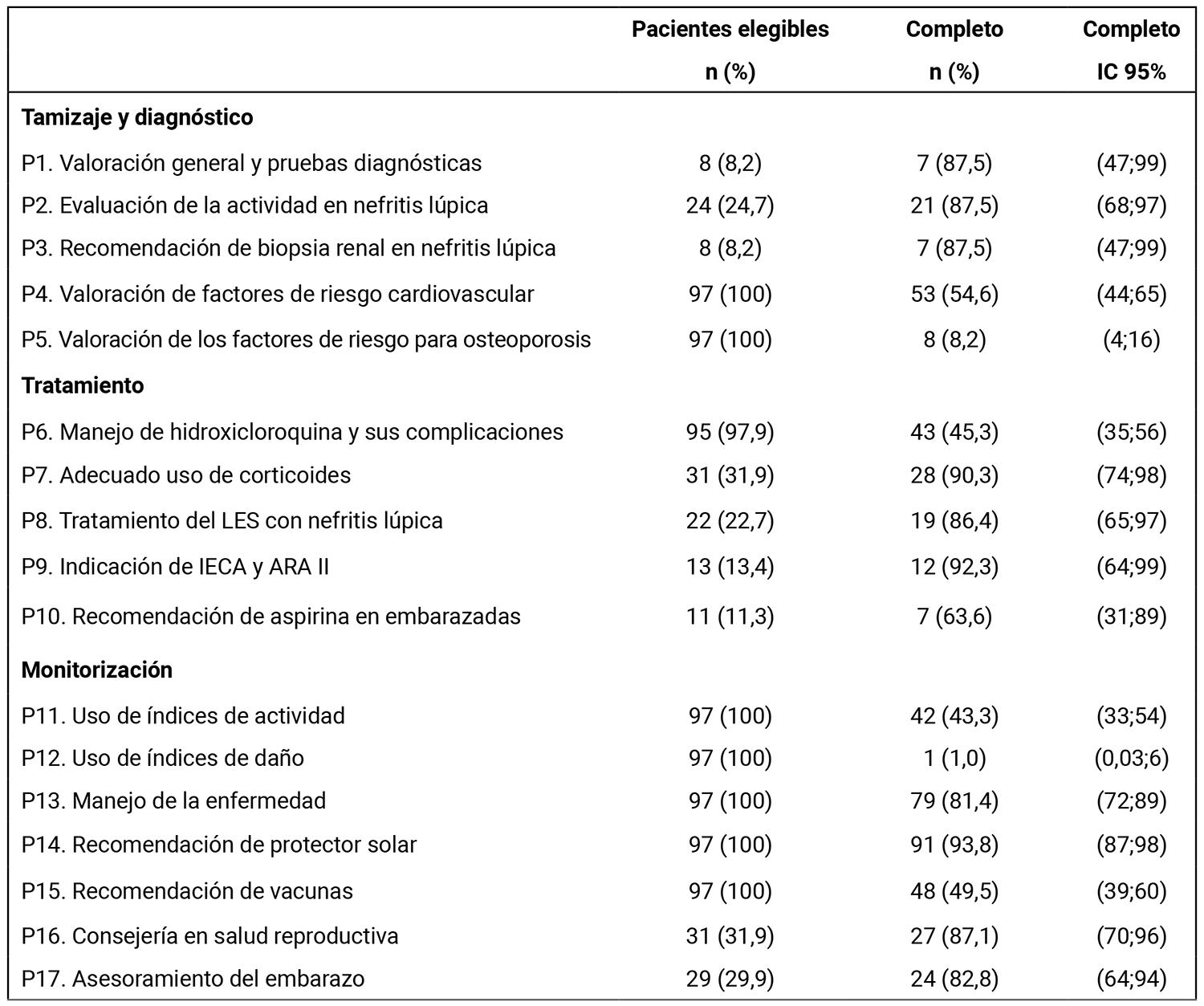
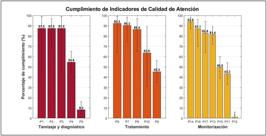
Results: an average performance of 67.2% was found across the quality indicators; a high level of compliance was observed in variables related to lupus nephritis (ranging from 86.4% to 92.3%), disease management aimed at clinical remission (81.4%), and proper use and management of corticosteroids (90.3%). However, lower compliance was observed in the assessment of cardiovascular risk factors (54.6%), use of disease activity indices (43.3%), and management of hydroxychloroquine (45.3%).
Conclusions: variability was observed in compliance with quality of care indicators, mostly similar to previous international series. This study will serve as a starting point to optimize the quality of care in our unit.
Keywords:
Systemic Lupus Erythematosus; Health care quality; Health care quality indicators
 Thumbnail
 Thumbnail